The last of three major translocations strengthens Zinave’s breeding population and advances a long-term mission to restore rhinos to one of Africa’s most remarkable conservation recovery stories
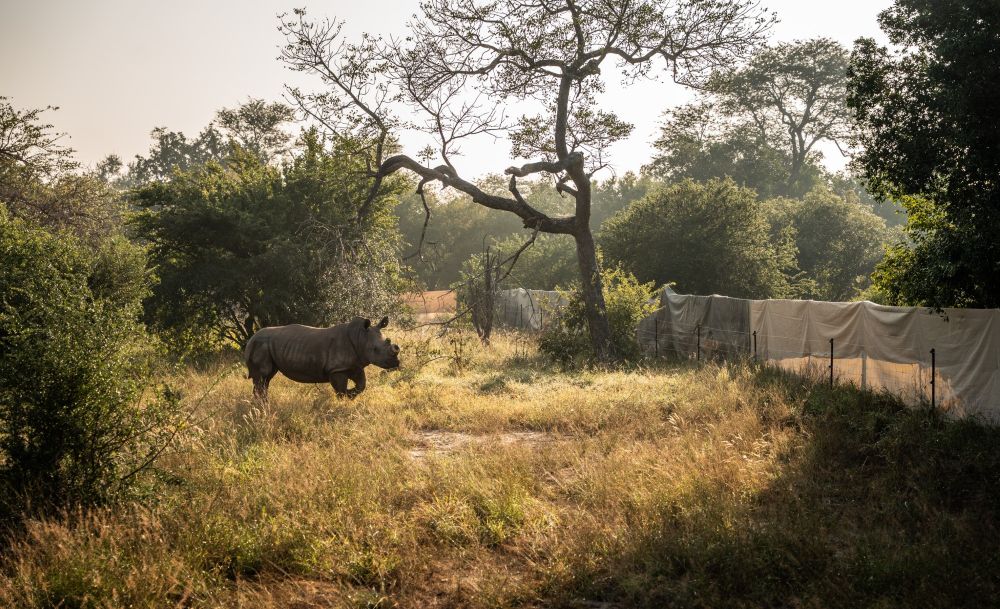
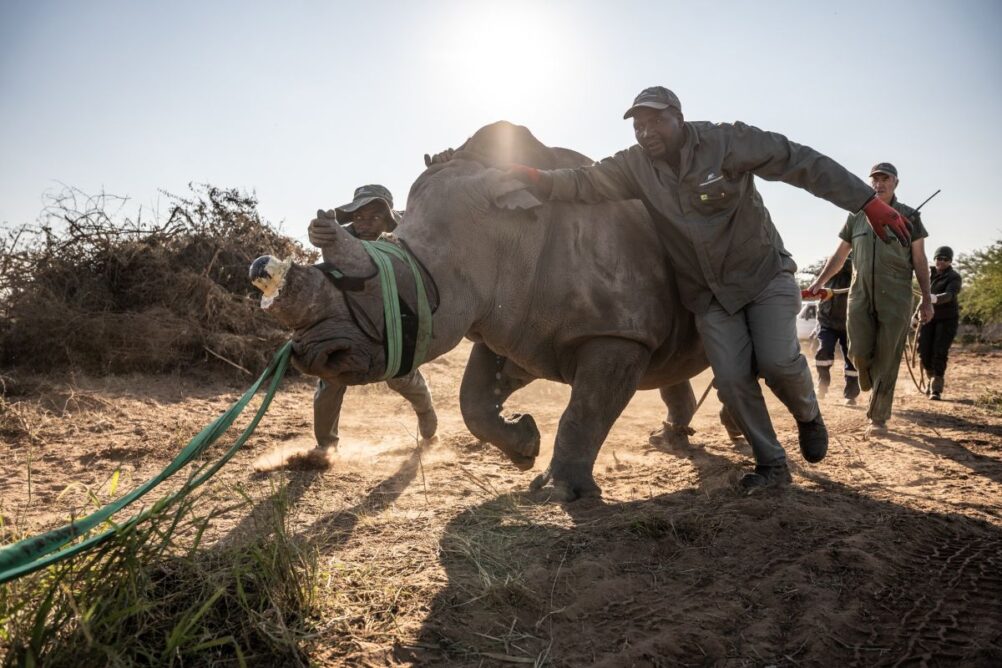
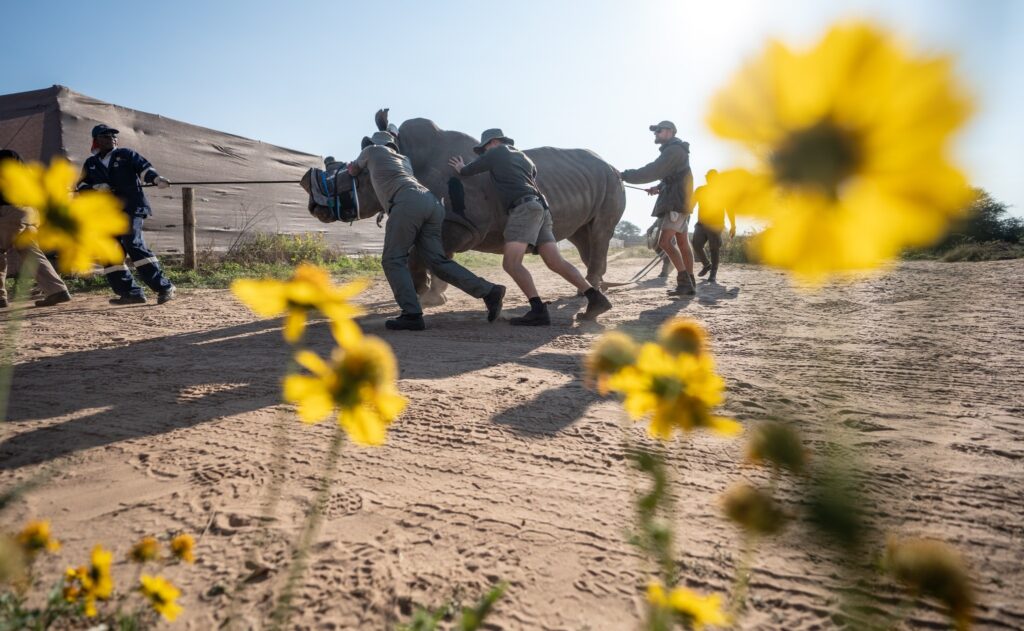
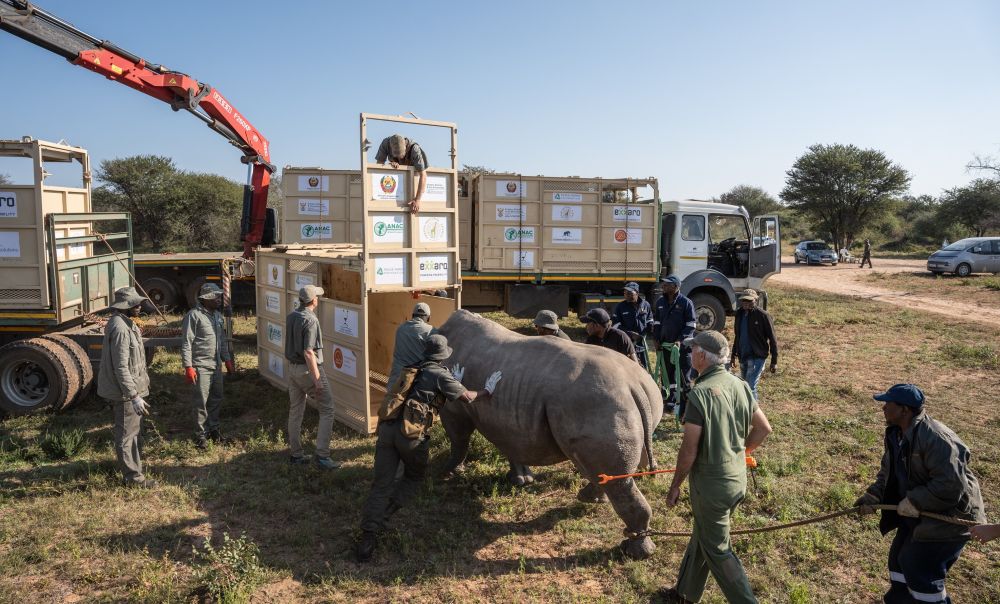
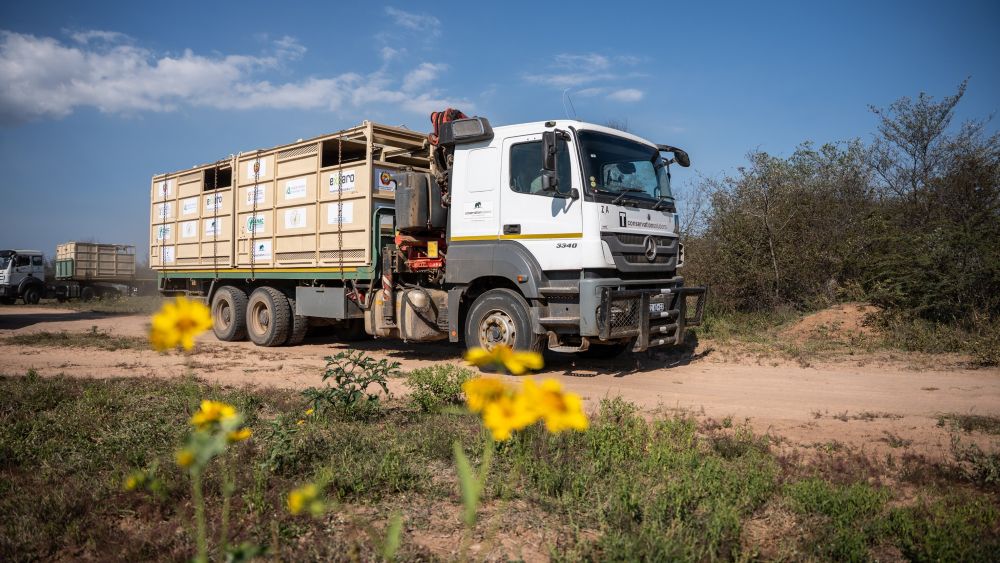
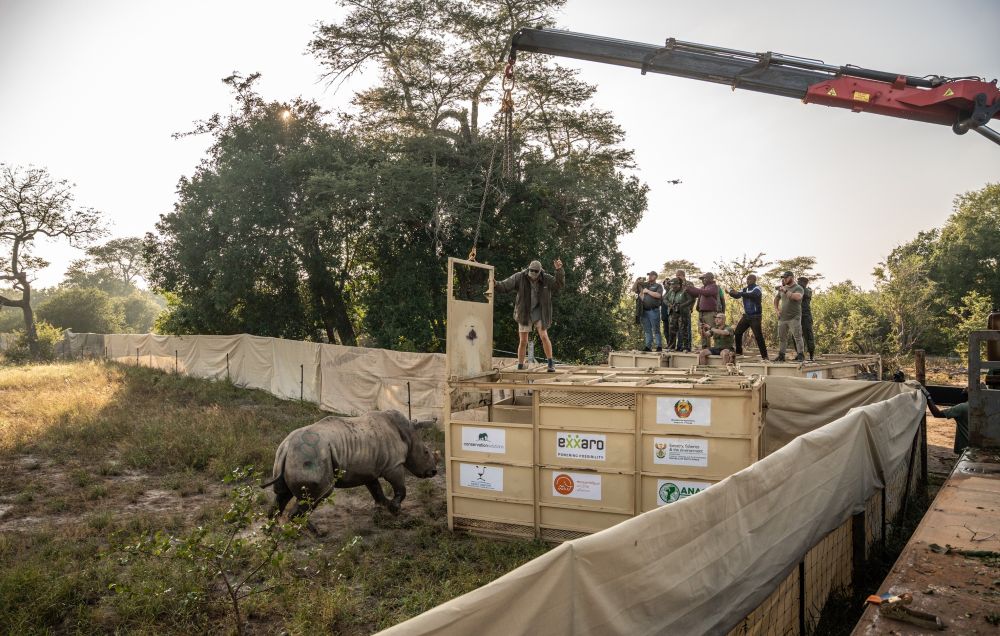
This week, Mozambique completed the final phase of a landmark rhino restoration effort, with nine female white rhinos successfully translocated to Zinave National Park in a complex cross-border operation.
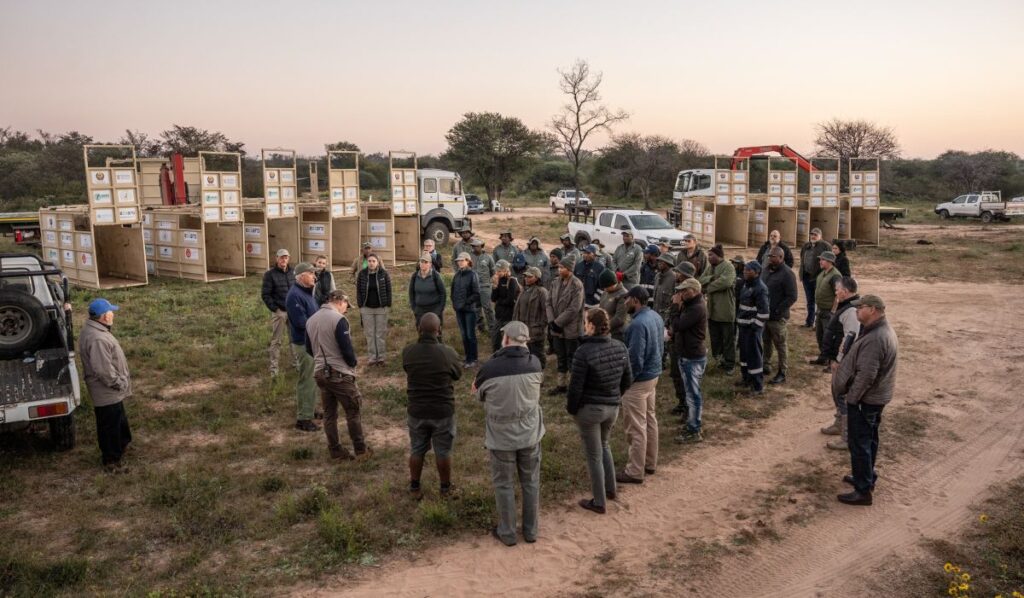
The latest arrivals mark an important milestone in re-establishing viable black and white rhino populations in Mozambique after more than four decades of local extinction, while strengthening one of southern Africa’s emerging conservation landscapes and tourism destinations. The translocation was undertaken by Mozambique’s National Administration for Conservation Areas (ANAC), Exxaro Resources and Peace Parks Foundation, with the support of South Africa’s Department of Forestry, Fisheries and Environment.
The nine females bring the number of white rhinos introduced to Zinave to 39, joining 22 critically endangered black rhinos already reintroduced to the park. Together, they form the first viable founder populations of both species established in a Mozambican national park, with both species already breeding and giving birth after introduction.
The rhinos are protected within a specially developed high-security sanctuary, supported by significant investment in ranger capacity, surveillance systems, monitoring technology and specialised protection infrastructure.
As keystone species, rhinos play an important ecological role in shaping and maintaining healthy ecosystems. Their return represents a major milestone in Zinave’s broader recovery as Mozambique’s first “Big Five” national park, strengthening the park’s tourism potential and contributing to the wider restoration of the Great Limpopo transboundary landscape.
A mere decade ago, Zinave was called the ‘silent park’. Years of conflict had stripped the landscape of all its wildlife, leaving the park unable to function as a healthy ecological system.
The 4 080 km² park has since undergone a remarkable recovery effort grounded in a 20-year co-management agreement between the Government of Mozambique and Peace Parks Foundation. Since 2015, 2 431 wild animals across 16 species have been reintroduced, including elephants, buffalo, leopards and hyenas, growing the total population to just under 10 000 head of game.
Rhino translocations are among the most complex operations undertaken in wildlife conservation. They require extensive planning, veterinary expertise, specialised capture and transportation equipment, and post-release monitoring to ensure the safety and wellbeing of every animal. While the translocation itself required months of operational coordination, the conditions that made it possible were built over years of protected area restoration, creating a safe home for the new arrivals.
“This translocation marks a chapter of pride and hope in Mozambique’s conservation journey,” said Pejul Calenga, Director-General of ANAC. “By returning white rhinos to Zinave, we are not only securing the future of a keystone species but also restoring ecosystem balance, creating investment opportunities in the wildlife economy, supporting local community development, and demonstrating what is possible when partners work together for nature.”
Exxaro donated the rhinos through its partnership with Peace Parks Foundation, recognising the need to expand secure habitat for rhino conservation beyond South Africa’s borders.
Exxaro CEO, Ben Magara, said: “Exxaro is proud to partner with Peace Parks Foundation and other stakeholders in advancing our sustainable growth and impact strategy. Through this collaboration, we aim to create a lasting positive impact on ecosystems throughout our operations and beyond. At the heart of this effort is the protection and preservation of our most important stakeholder – the environment. It is only through public-private partnerships that we will be able to respond adequately to the many challenges that define our time.”
Zinave forms part of the Great Limpopo Transfrontier Conservation Area, a 100 000 km² cross-border landscape shared by Mozambique, South Africa and Zimbabwe. The landscape includes some of southern Africa’s most important protected areas and reconnects wildlife populations across borders.
Since 2015, Peace Parks has invested USD 34 million in Zinave’s restoration. This includes rebuilding park infrastructure, establishing a skilled ranger force, strengthening monitoring and security systems, and supporting community development programmes that directly benefited 3 000 people in 2025 alone through agriculture, pastoralism and beekeeping initiatives.
With wildlife returning and tourism gradually increasing, Zinave is steadily moving towards financial sustainability. In Mozambique, 20% of park-generated revenue is shared directly with surrounding communities, helping ensure that local people benefit directly from conservation success.
“Zinave shows what is possible when long-term commitment, strong partnerships and local leadership come together,” said Werner Myburgh, Chief Executive Officer of Peace Parks Foundation. “The return of rhino reflects years of investment in restoring a protected area that benefits both wildlife and local communities.”