

Reflecting on over a decade of strategic collaboration:
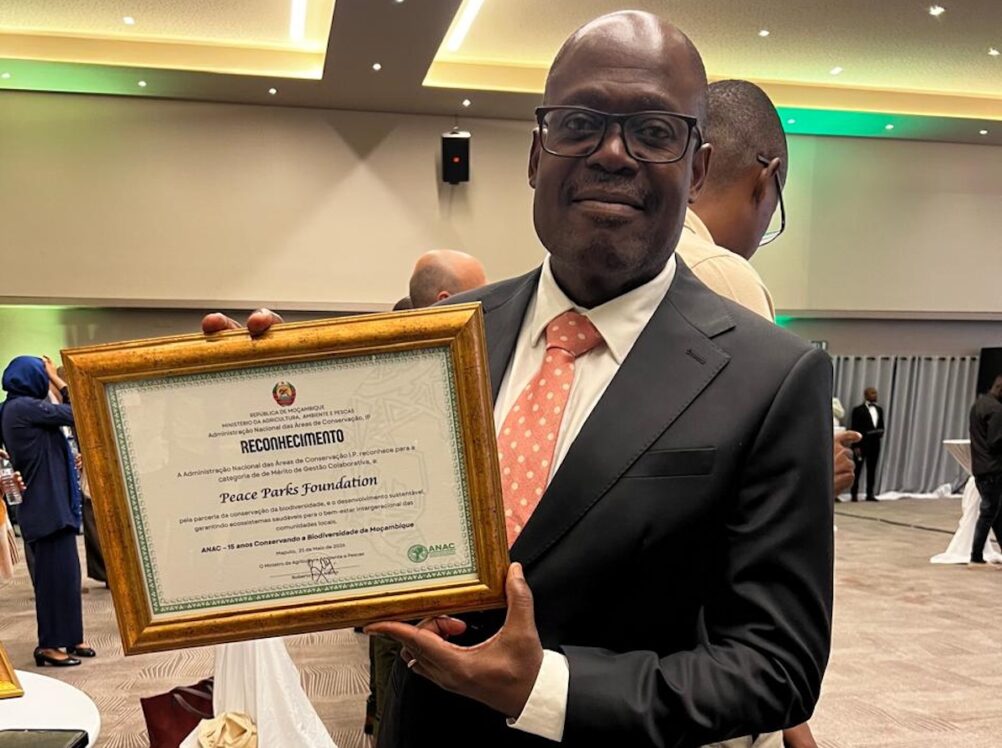
Mozambique’s National Administration for Conservation Areas (ANAC) recently celebrated 15 years of conservation leadership. At the anniversary celebrations in Maputo, Peace Parks Foundation was recognised for its long-term commitment and dedication to conservation in the country. The recognition was jointly received by former Mozambican President and Vice Chairman of the Peace Parks Board of Directors, Joaquim Chissano, and Dr Bartolomeu Soto, Peace Parks’ Regional Liaison Manager.
To reflect on the partnership behind that recognition, and what 15 years of conservation progress in Mozambique looks like from the inside, we sat down with Dr Soto for the latest edition of In Conversation With.
When you compare conservation work in Mozambique 15 years ago with today, what changes are most evident?
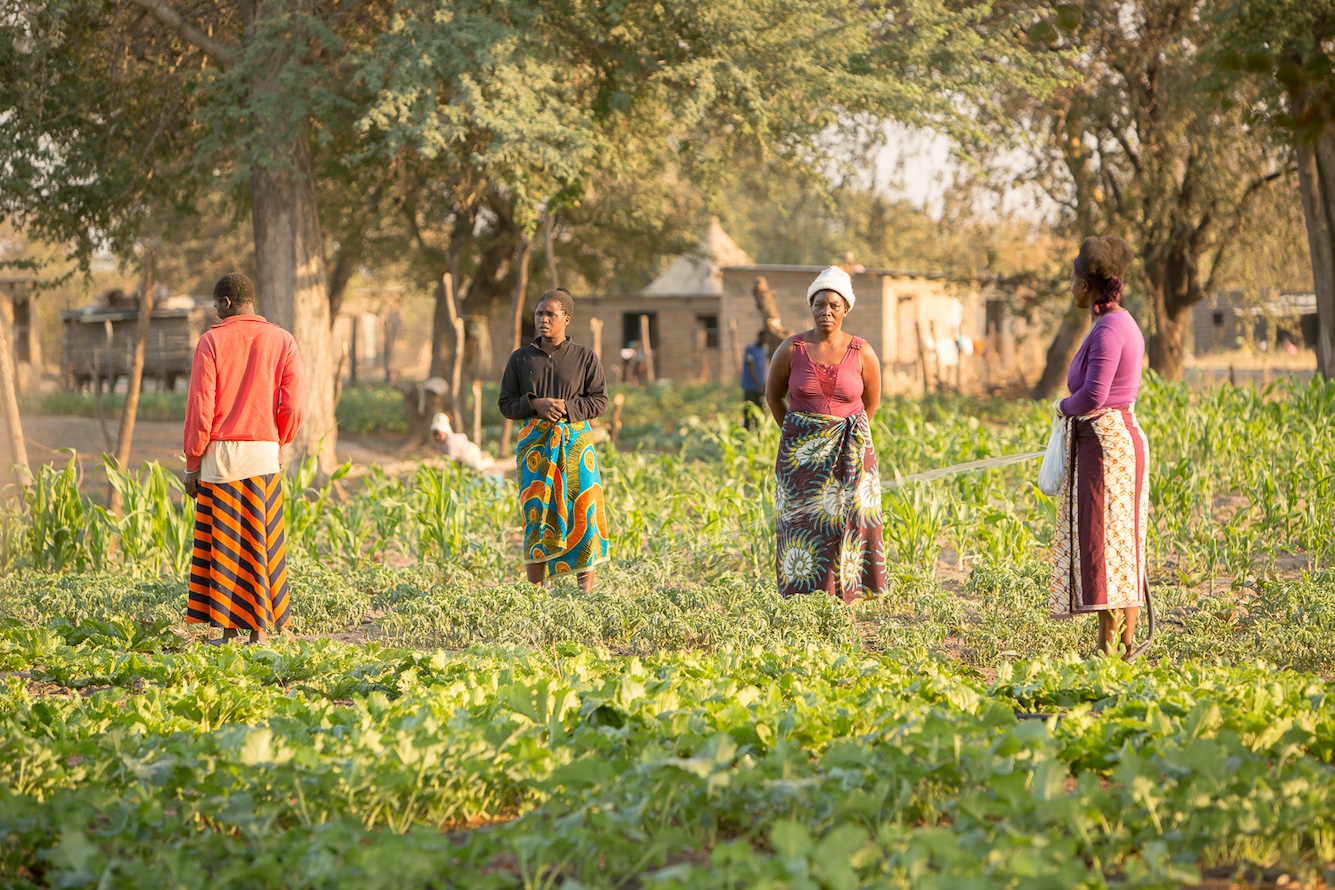
Fifteen years ago, conservation authorities and local communities often viewed each other with distrust. People living alongside protected areas did not always recognise how conservation related to their own lives.
Today, in many of the areas where we work, that relationship has changed completely. Communities work hand in hand with the national parks. They are involved in tourism and conservation activities, which offer means of employment. They also have access to health care and education initiatives linked to these landscapes.
For me, one of the most meaningful changes has been seeing conservation become something communities feel part of, rather than something imposed on them.
What impact has ANAC’s 15 years of conservation efforts had on the country?
ANAC was created with a very important vision: to give conservation areas more autonomy and to create an environment where partnerships could grow. Its establishment laid the foundations for organisations like Peace Parks to work alongside government and build long-term relationships through collaboration and hard work, for the betterment of the country.
Approximately 25% of Mozambique’s land area is under formal protection. This makes Mozambique one of the most conservation oriented countries in Africa in terms of the percentage of land committed to biodiversity protection and ecosystem management. All of this land falls under ANAC’s management.
I see ANAC entering a stage of having the confidence and energy required to tackle bigger challenges. Systems and partnerships in place have strengthened, and the opportunity now is to scale up what is already in place.
What has partnering with ANAC enabled Peace Parks to achieve?
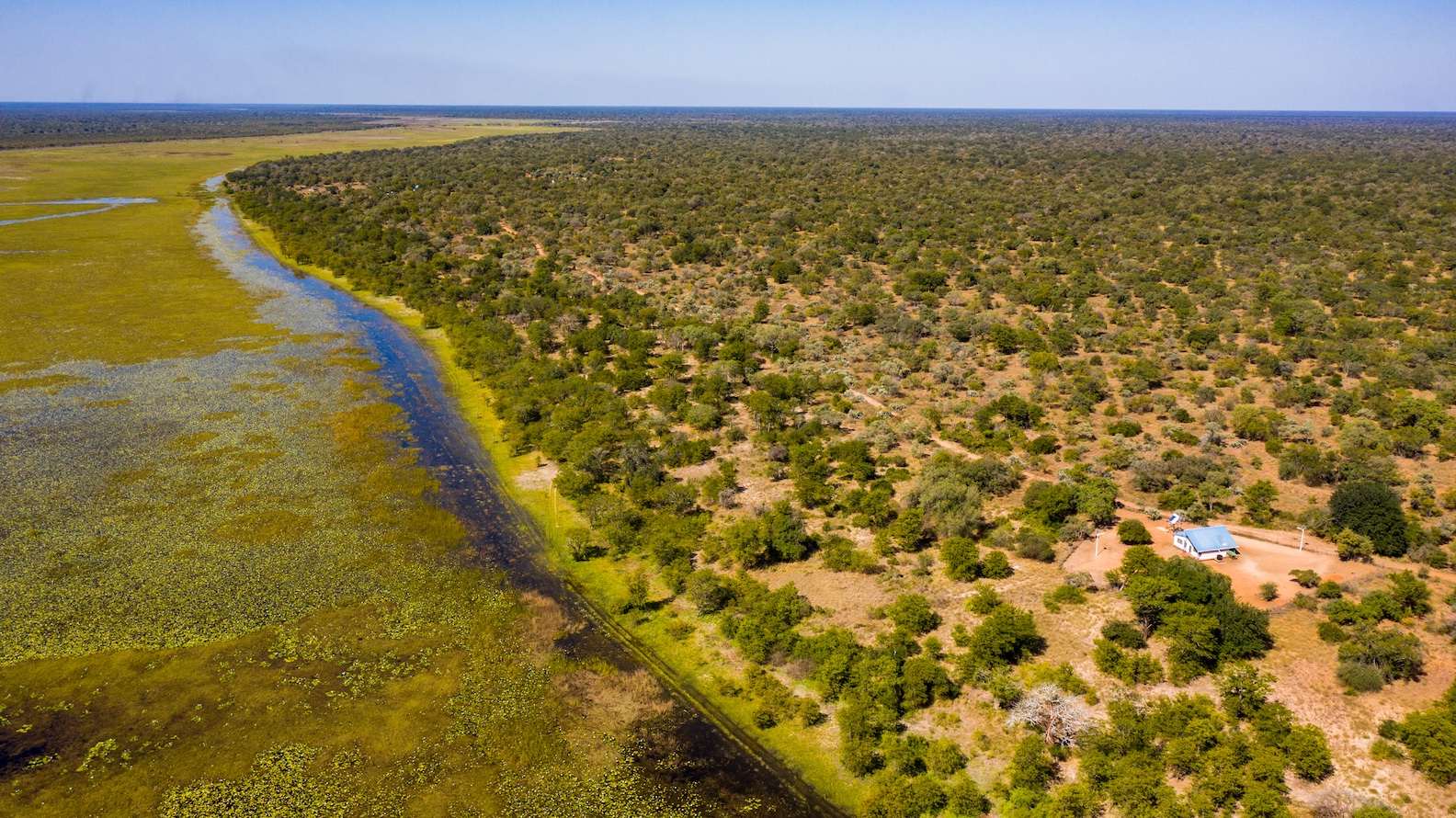
The partnership has given Peace Parks the space and confidence to grow its conservation efforts in Mozambique. Its work first took root in 2002 in Limpopo National Park through the Great Limpopo Transfrontier Conservation Area. In 2006, we became involved in Maputo National Park and with time, expanded into Zinave and Banhine national parks due to a clear commitment from government towards partnership, conservation development and sustainability.
That institutional support made it possible to mobilise funding, attract investors and expand our focus beyond individual parks to strengthening ecological connectivity between them. This is important not only for wildlife movement, but also for the long-term resilience of these landscapes and the communities that depend on them.
What misconceptions do people outside the conservation sector often have about this work?
Trust is needed if long-term conservation is to succeed. But restoring wildlife takes years. Developing tourism takes years. And building strong relationships between institutions, communities and partners takes just as long.
Without trust, you can implement projects, but you cannot deliver conservation that lasts.
Zinave National Park is often cited as one of the major restoration success stories in Mozambique. What do you remember most clearly from those early days?
When we arrived in Zinave in 2015, it was very different to what people see today. Wildlife numbers were extremely low. Poaching was a serious problem. Communities lived inside the park under very difficult conditions, without proper access to services.
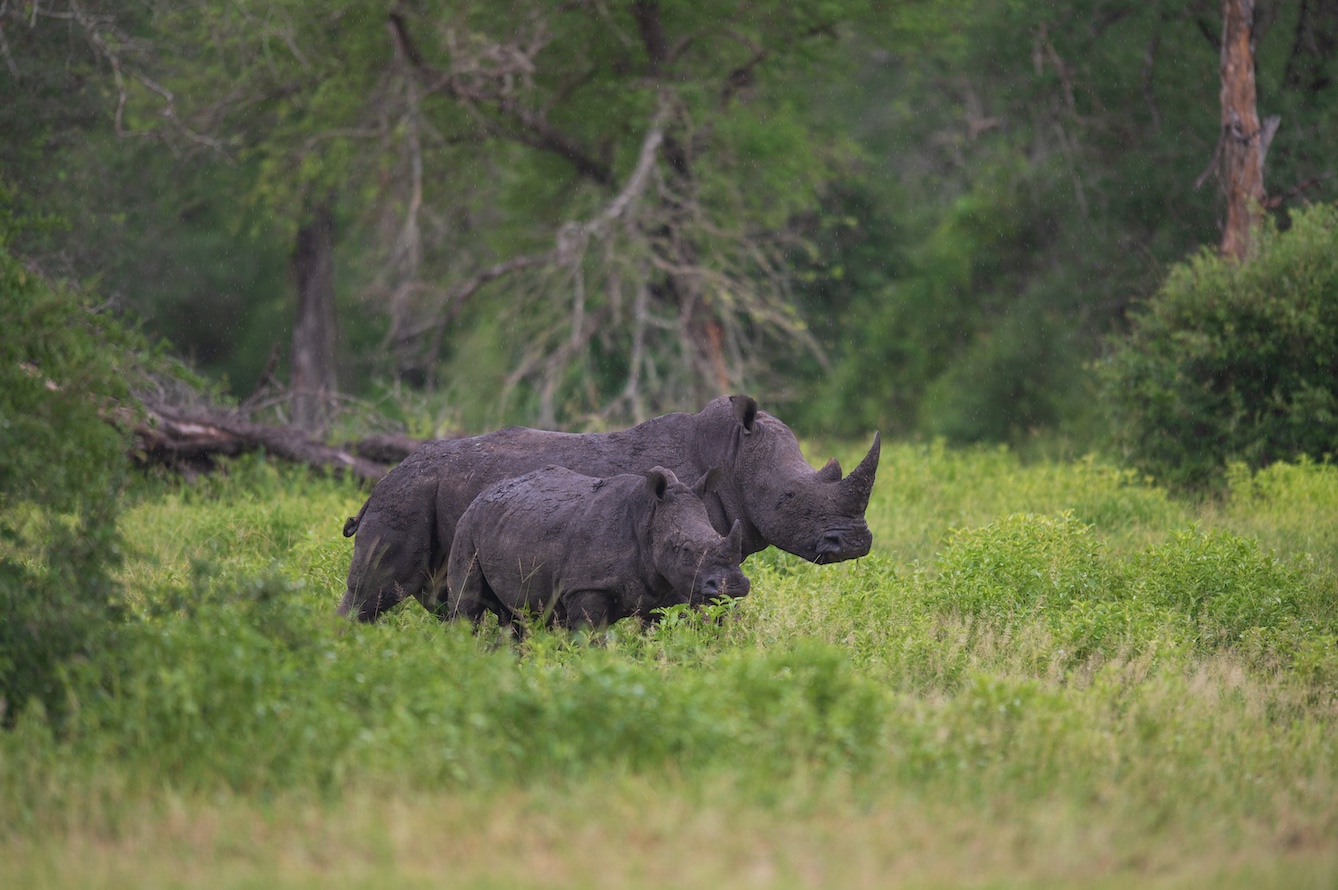
One of the most emotional parts of the journey, for me, was seeing how people and conservation slowly began finding a way forward together. Communities voluntarily relocated to safer areas where they had better access to healthcare, education and other basic services. At the same time, the park began recovering. Today, 2 436 wild animals across 16 species have been reintroduced, including black and white rhino, and Zinave now stands as Mozambique’s first Big Five tourism destination.
What gives you hope when you think about the future of conservation in Mozambique?
Mozambique has extraordinary natural assets. The country already has globally recognised beaches and coastlines, but what makes it unique is the terrestrial biodiversity and untamed wilderness that exists alongside them. Very few places in the world can offer both.
I believe there is an enormous opportunity for Mozambique to position itself as a world-class tourism destination built around biodiversity conservation. For that to happen, partnerships remain essential. No single institution can do this alone.
What would you like to say to ANAC as it marks 15 years?
Peace Parks deeply appreciates our collaboration over these 15 years. We have grown together. We have learned together. We are grateful for the trust ANAC and Mozambique placed in us, and we hope this spirit of collaboration continues.
Congratulations to ANAC on this important milestone, and may our joint conservation efforts over the next 15 years grow from strength to strength.
First rhino relocation to Zinave National Park
