How do communities become part of systems shaping safety, conservation and decision-making across one of southern Africa’s most complex conservation landscapes?
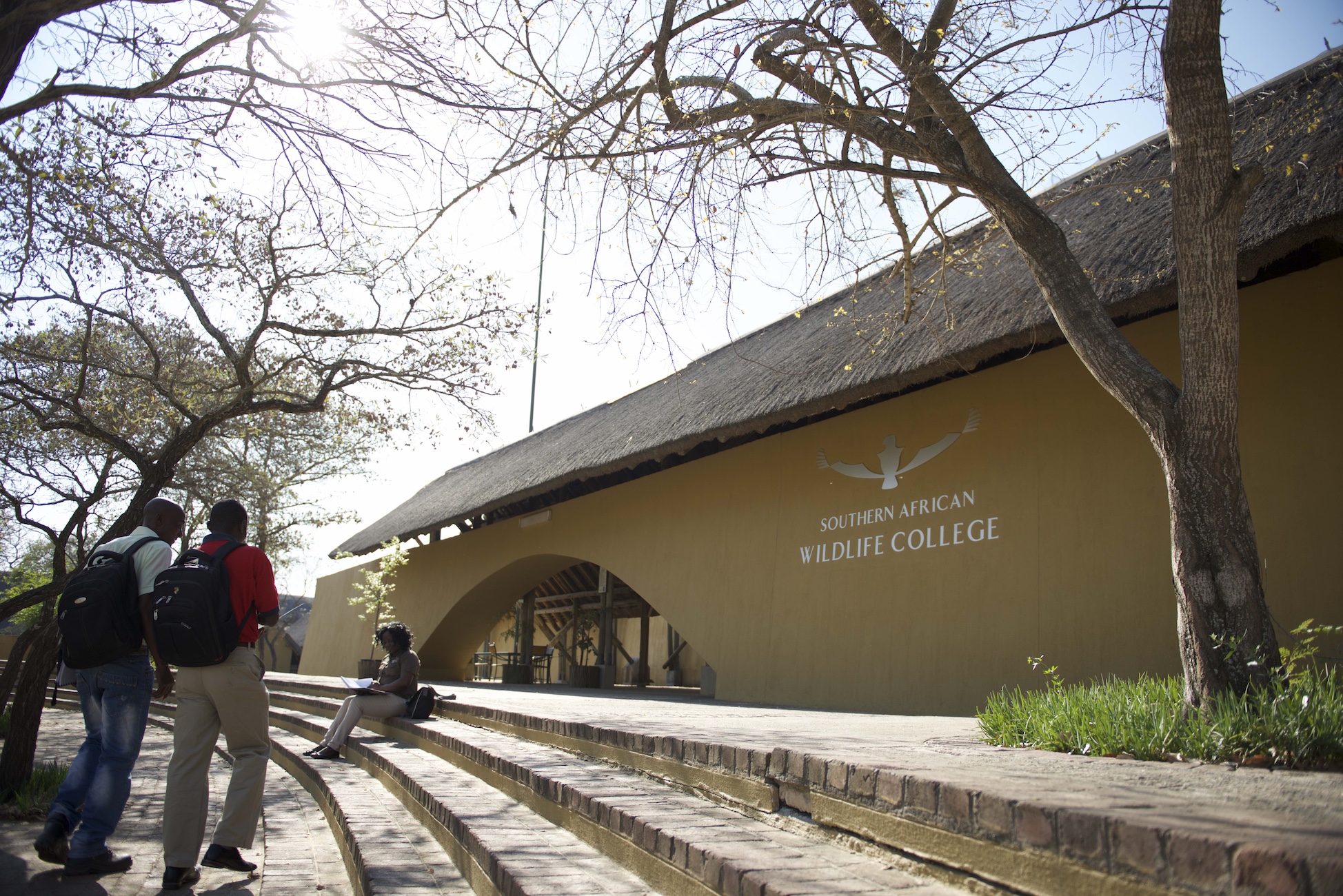
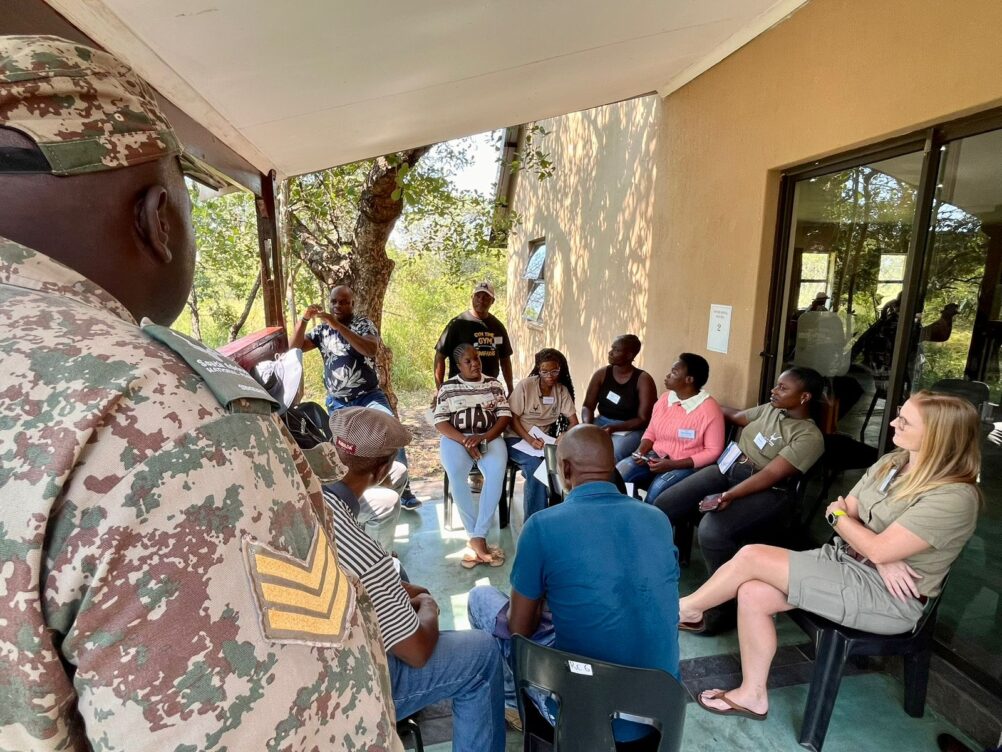
This question brought together 52 community representatives from across the Greater Kruger landscape, alongside government officials, conservation authorities and technical experts, at a three-day workshop hosted by the Southern African Wildlife College.
Across the Greater Kruger landscape, wildlife crime, environmental pressure and local safety concerns are closely connected, requiring coordination between government institutions, communities and conservation authorities. The workshop created space for community priorities to inform how governance and security are strengthened across the landscape.
During the first two days, discussions focused on the practical realities communities face on the ground, including gaps in communication, coordination and accountability that can weaken responses to wildlife crime and broader safety challenges affecting the landscape.
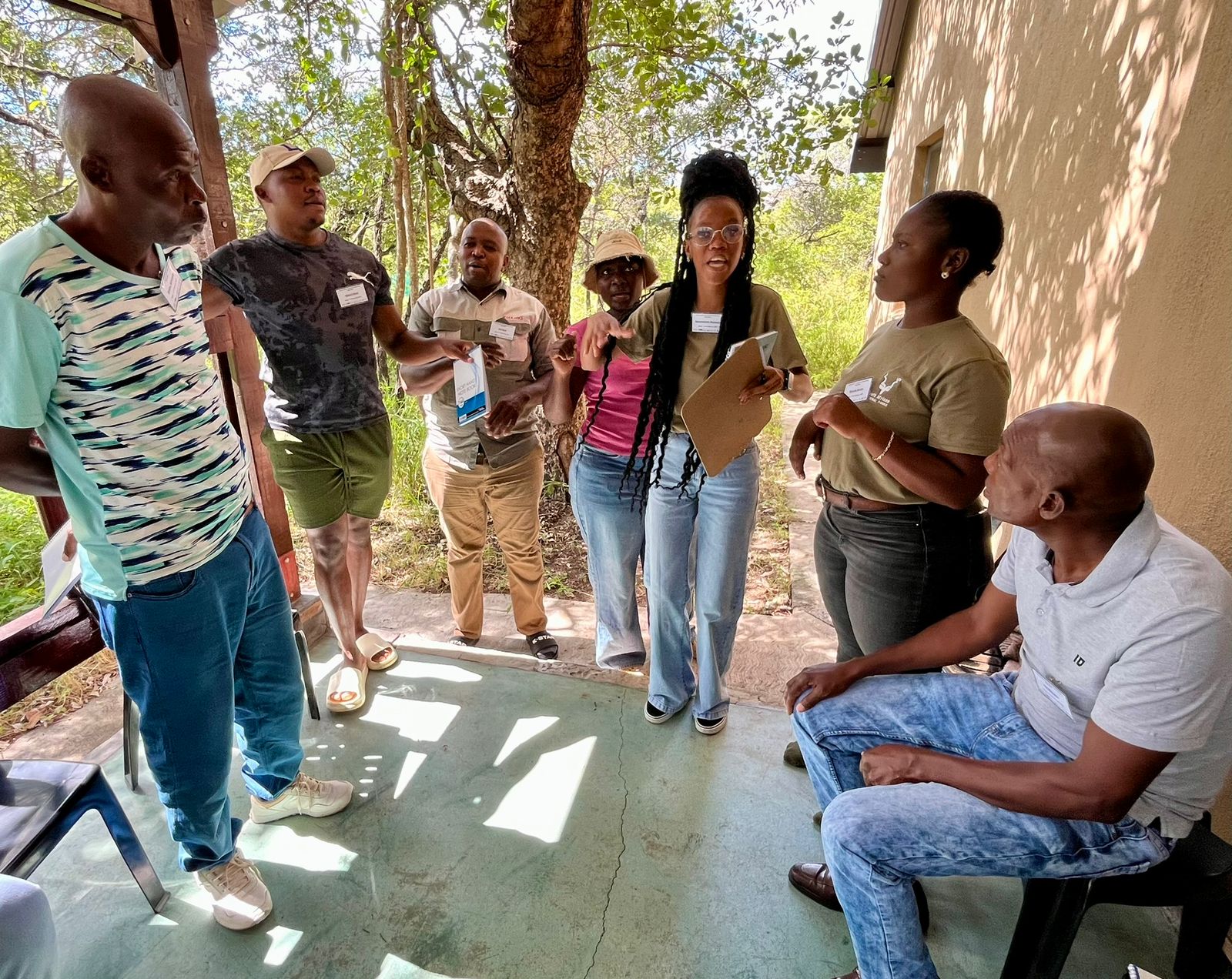
Community representatives worked together to identify priorities aimed at strengthening formal community participation and improving coordination with government institutions and conservation authorities.
On the third day, government representatives, technical experts and conservation agencies joined the workshop to provide technical input, support policy alignment and explore how the priorities identified by communities could be implemented through existing systems, exploring how they could move into implementation.
The recommendations will now inform broader landscape governance and coordination efforts strengthening dialogue between communities, government authorities and conservation partners working across the Greater Kruger landscape.
Governance structures that formally include communities strengthen accountability across the landscape,” said Aubrey Maluleke, Contractual Park Co-ordinator for Makuleke Contractual National Park.
“This model reinforces the role of communities in co-managing landscapes alongside government authorities. It supports participatory decision-making, shared accountability and conservation outcomes shaped by the people who live within these landscapes,”
Community members said the workshop helped them better understand how they can contribute to protecting their environment alongside government authorities and conservation partners. One attendee said they arrived unsure of the role communities could play in addressing wildlife crime, but left with a clearer understanding of the shared responsibility required across the landscape.
“Community-centred governance fosters inclusion and builds commitment to action. It helps communities play an active role in safeguarding their livelihoods while protecting wildlife and nature,” says Helena Atkinson, Peace Parks Foundation Chief Community Development Officer.
Hosted and co-facilitated by the Southern African Wildlife College under the theme “Partnering for a safe, secure and resilient Greater Kruger Landscape”, the workshop forms part of the Global Environment Facility’s GEF-6 programme, which supports integrated approaches to reducing wildlife crime and strengthening long-term landscape stability. This programme, which is implemented by the United Nations Environmental Programme is part of the broader GEF-6 governance guidelines development process, which includes consultation, drafting, mirror-back and refinement.
Participants included the Department of Forestry, Fisheries and the Environment, South African National Parks represented by Kruger National Park, Conservation Synergies as lead technical service provider, Peace Parks Foundation and other GEF project partners.
In landscapes as large and interconnected as Greater Kruger, long-term conservation depends on strong coordination between communities, conservation authorities and government institutions working across shared environmental and security challenges.