

Blog by Werner Myburgh, CEO, Peace Parks Foundation
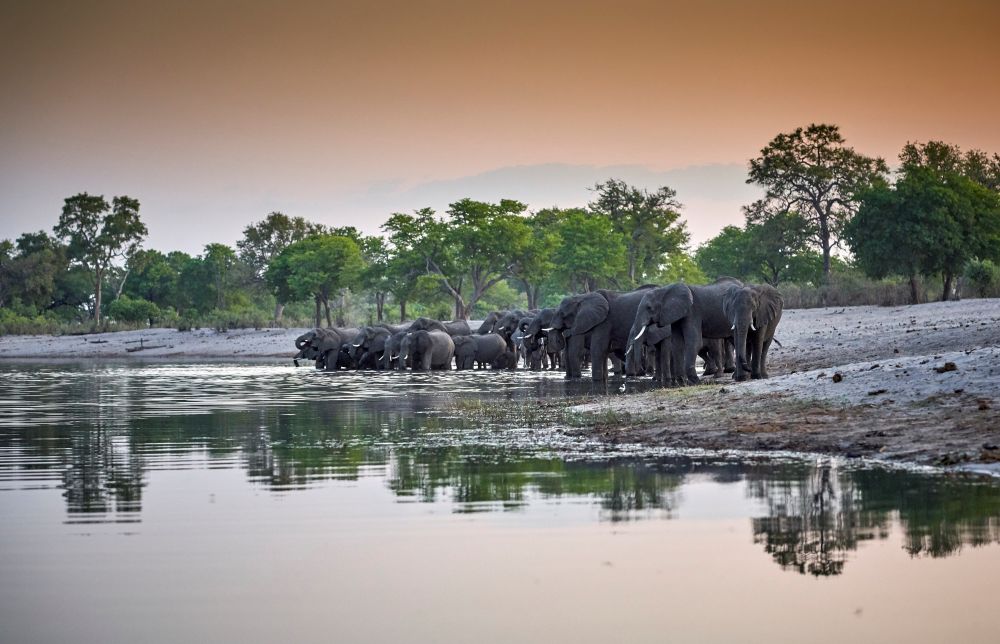
Across southern Africa, elephants are under pressure not only from poaching and conflict. In many places, they are simply running out of space.
Luengue-Luiana National Park in Angola is important because it sits at the centre of one of Africa’s most significant conservation opportunities. As part of the Kavango Zambezi (KAZA) Transfrontier Conservation Area, the world’s largest terrestrial transboundary conservation landscape, it has the potential to restore space, movement and balance for elephants, people and ecosystems.
The KAZA landscape spans approximately 520 000 km² across Angola, Botswana, Namibia, Zambia and Zimbabwe – roughly the size of France or Texas. It is home to the world’s largest population of savanna elephants, estimated in a 2022 aerial survey at around 228 000 animals. What is particularly interesting is how these elephants are distributed. Most are concentrated in Botswana, Namibia and Zimbabwe (circa 95%), while Angola and Zambia, which represent almost half of the landscape, support only 5%.
The Angolan Government, through its conservation agency INBAC, is taking concrete steps to strengthen protection, governance and community benefits in Luengue-Luiana. The newly proclaimed park has the potential to become an ecological anchor within KAZA, creating safe space for wildlife while supporting the livelihoods of the people who live in this remote south-eastern corner of the country.
In April, the Angolan Government and Peace Parks Foundation signed a Memorandum of Understanding to partner in developing Luengue-Luiana. The agreement marks an important first step in exploring how the long-term restoration and management of this extraordinary landscape can be achieved. A feasibility phase has kicked off, focusing on three priorities: developing a park management plan, preparing a strategic business plan, and co-creating a governance model based on a public-private partnership approach.
Luengue-Luiana spans 22 732 km², making it one of the largest protected areas in Africa. Its significance, however, is not simply the size of the landscape, but what that space could represent. In parts of Botswana, Namibia and Zimbabwe, elephant numbers are placing increasing pressure on available food, water and land. As these animals move further afield in search of resources, conflict with people has intensified, particularly in the past decade.
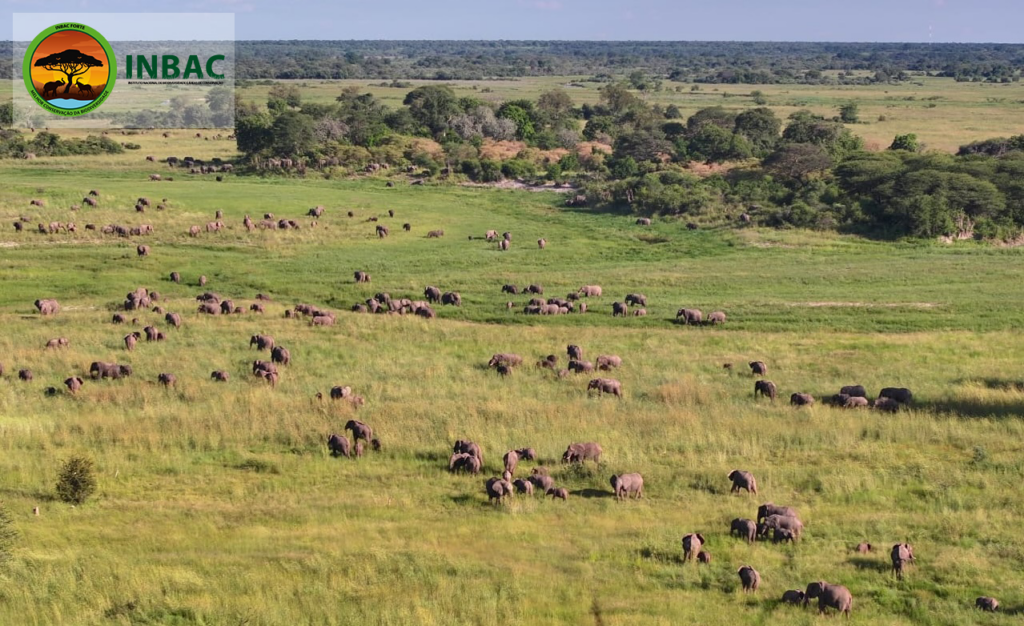
Angola and Zambia, with their large but underdeveloped protected areas and lower elephant densities, offer new possibilities. These landscapes could help restore more natural movement across KAZA, reducing pressure in over-concentrated areas while creating new opportunities for communities to benefit from conservation. Botswana has successfully illustrated how tourism can become the second largest foreign exchange earner for the country. Most visitors explore the iconic Okavango Delta, proclaimed a World Heritage Site due to its globally unique natural attributes, and located a mere 200 km from Luengue-Luiana as the crow flies.
With few natural predators, elephants are most at risk from human-driven pressures, including habitat loss, conflict and poaching. If it is safe, elephants are likely to move according to rainfall and food availability. When this happens, animals and ecosystems become healthier, while people are safer and benefit more.
From a biodiversity perspective, Luengue-Luiana supports core populations of almost all wildlife species that historically occurred there, with the exception of rhinos. This means that restoring the natural ecosystem to its former state is possible within a relatively short space of time, provided the right protection, governance and investments are in place.
From a socio-economic perspective, south-eastern Angola is one of the least developed regions in the country. Conservation could and should become an economic anchor for the area, not only through tourism, but through investment in infrastructure, services and nature-based livelihoods. This region was heavily affected by a civil war lasting more than 26 years. Ending as recently as 2002, the landscape still carries its legacy, including minefields that The HALO Trust is working hard to clear. Cuito Cuanavale, one of the larger towns bordering the park, was the site of one of the largest battles fought on African soil since World War II. Today, the scars of war remain visible throughout the landscape.
The symbolism of transforming an area once defined by war into a national park, and part of an international peace park, is profound. It represents a full circle from nature in abundance, to destruction through conflict, and now to restoration and peace.
Luengue-Luiana represents a bold and exciting opportunity – the restoration of one of the largest national parks in Africa, within the world’s largest transboundary conservation landscape, while supporting the largest elephant population on Earth.
When successfully developed, Luengue-Luiana holds the potential to become the most significant elephant conservation initiative of the 21st century.
