Scientists have completed the first comprehensive biodiversity baseline survey of Mozambique’s Techobanine Reef System, a no-take zone within Maputo National Park’s Marine Protected Area. The findings, conducted between June and October 2025, establish the first system-wide scientific baseline for the park’s largest fully protected marine sanctuary.
Despite its importance, until now the reef had never been assessed as a whole. Previous monitoring was limited to a small number of sites and did not provide a complete picture of the reef.
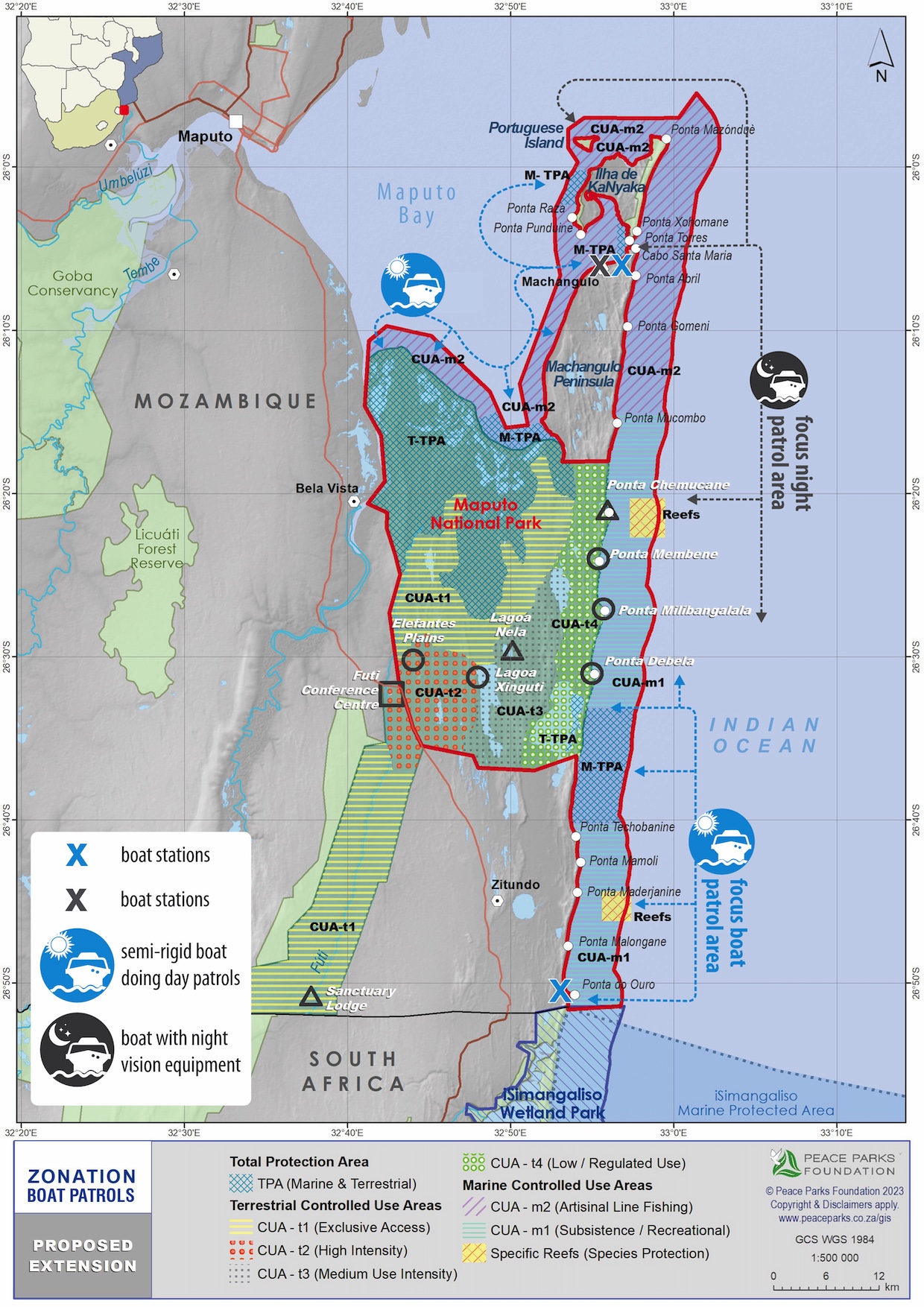
“The Techobanine Reef System stretches for roughly fifteen kilometres along the park’s oceanic boundary. Fishing is prohibited across this no‑take zone, allowing marine life to flourish with minimal disturbance. It’s one of the largest reef systems in southern Mozambique. It supports incredible marine biodiversity and critical ecological processes,” says Marcos Pereira, Co-founder and Director of Likhulu Foundation, who led the survey.
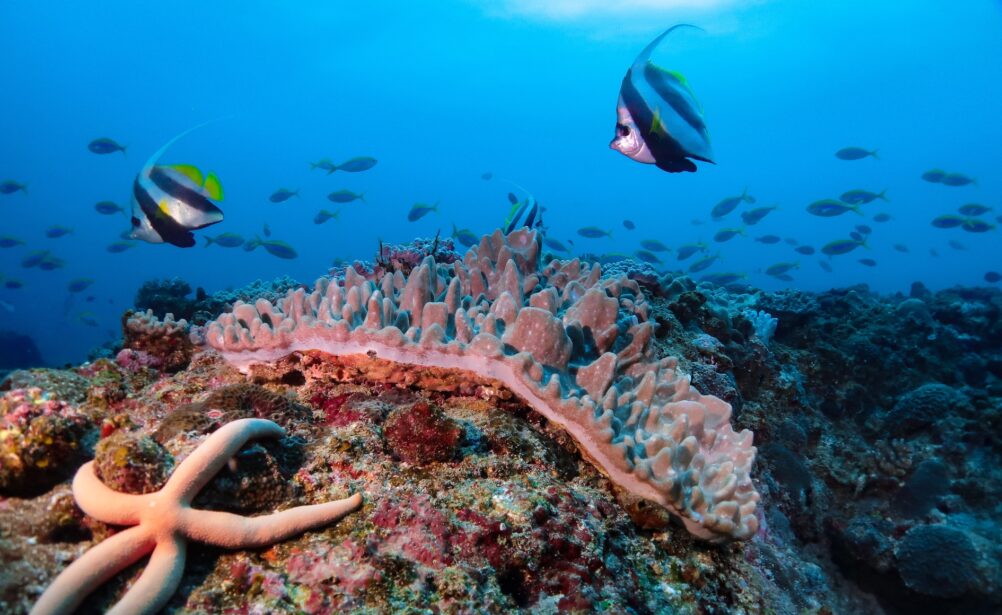
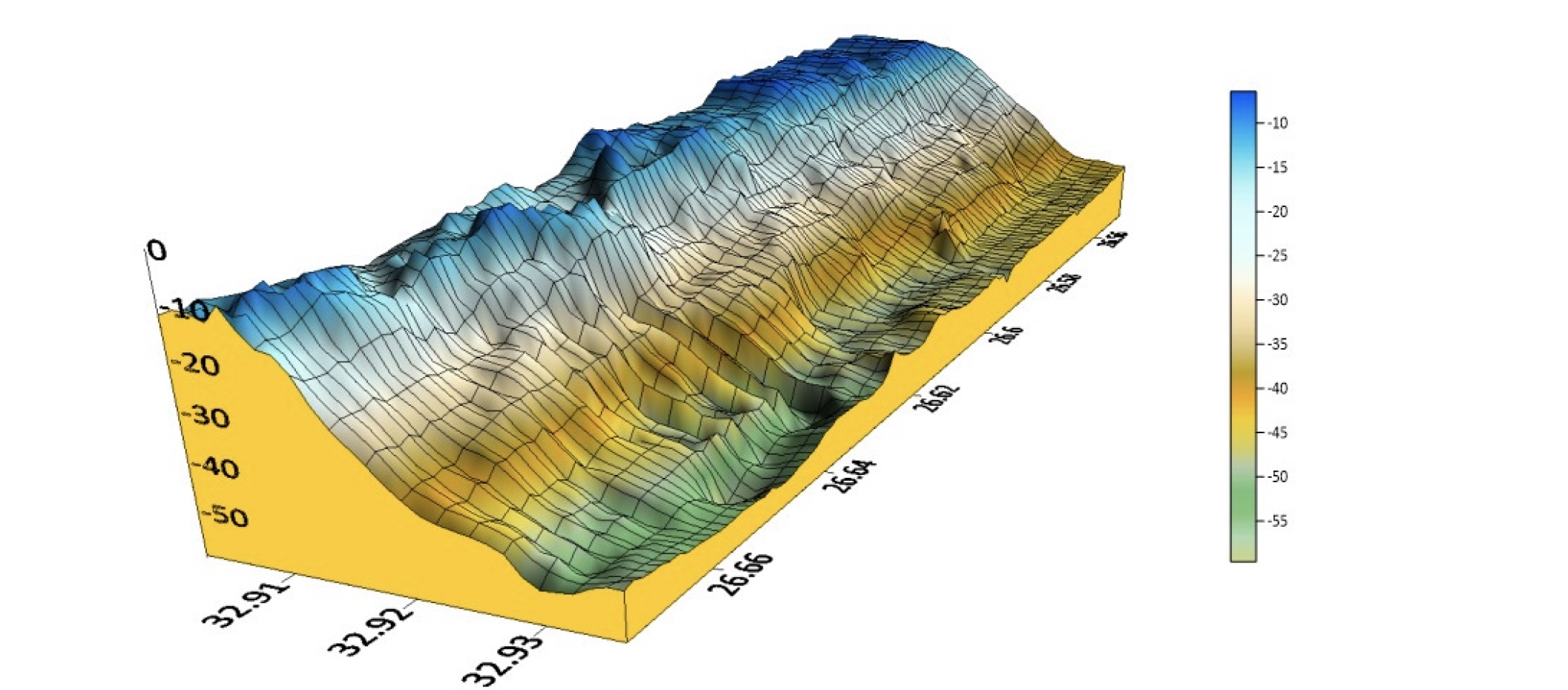
Fieldwork unfolded across four phases and challenging sea conditions. Research teams spent more than one hundred hours at sea, mapping the reef system and diving at 17 reef sites. Surveys documented underwater habitats, reef fish, nudibranchs, gastropods and megafauna.
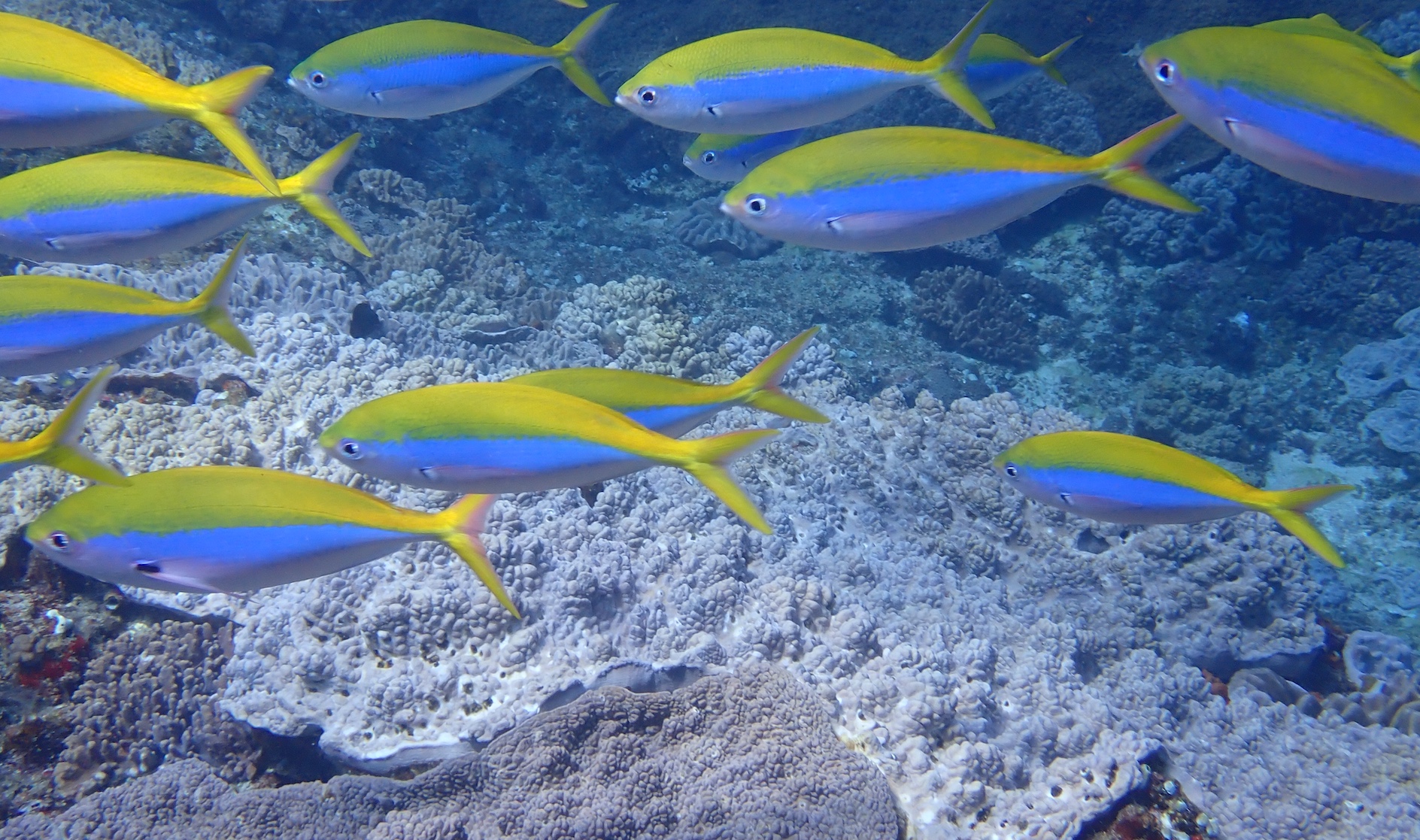
The findings confirm an underwater landscape rich in biodiversity and ecological complexity. Scientists recorded 205 species of gastropods across 45 families and 48 species of nudibranchs, including the well-camouflaged Phestilla viei, documented for the first time in southern Africa. Approximately 150 species of pelagic and reef fish were recorded across survey sites. Megafauna sightings included humpback whales, Indo‑Pacific bottlenose dolphins, manta rays, marine turtles and sharks. Fish biomass was consistently high throughout the no-take zone, reflecting the benefits of long-term protection.
“The baseline assessment constitutes a fundamental first step and clear reference point for the protection and management of the Techobanine Reef System, and the wider marine environment going forward, as it provides much needed information to support effective conservation,” says Park Warden for Maputo National Park, Miguel Goncalves.
The findings feed directly into Maputo National Park’s marine management planning, supporting decisions around zoning, monitoring priorities, enforcement and long‑term protection of the no‑take area.
The dataset also establishes a foundation for ongoing ecological monitoring and future research, including work on reef health trends and migratory marine species that rely on this coastline.
The survey was led by the Likhulu Foundation, in partnership with Maputo National Park and specialist researchers. Support was provided by the Sylvia Earle Alliance DBA Mission Blue, BIOFUND through the Biodiversity Conservation Programme, supported by the Swedish Government, the Blue Action Fund, Mozambique’s National Administration for Conservation Areas and Peace Parks Foundation.
Through this collaboration, Maputo National Park and its partners now have the first comprehensive picture of the Techobanine Reef System. The findings provide an important foundation for future monitoring and will help guide the long-term protection and management of one of Mozambique’s most important marine ecosystems.