

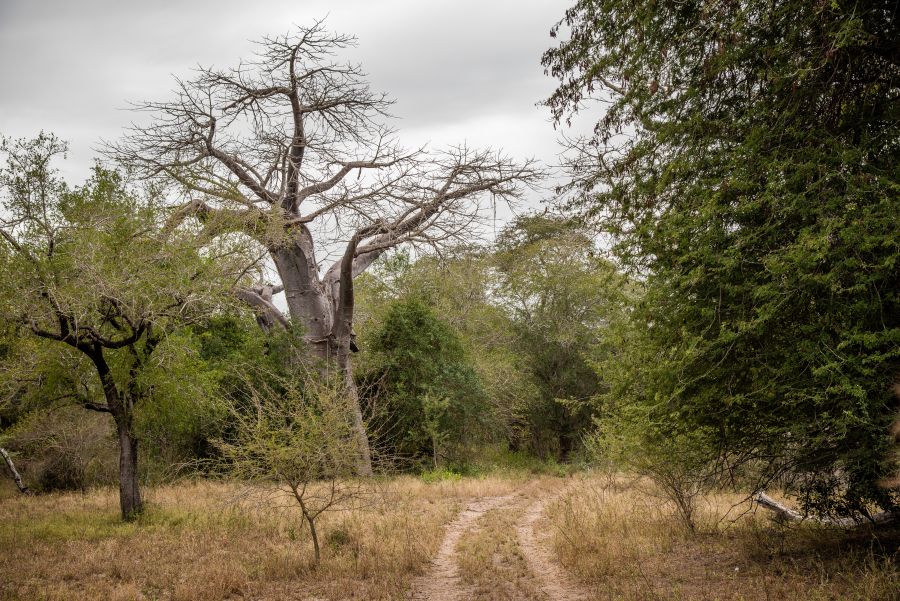
Zinave National Park has come back from decades of disruption. The next step is to build on that recovery, because the true test of conservation is not only what can be restored, but what can be made to last.
Wildlife populations are returning. Infrastructure is being rebuilt. Communities surrounding the park are gaining improved access to services, livelihoods and economic opportunities. A new programme will support this next phase, strengthening park management while expanding benefits for communities around Zinave. It will support wildlife reintroductions, stronger protection and regular monitoring of the park’s wildlife and natural habitats. Investment in infrastructure, staff training and park management will improve operations and support the growth of tourism.
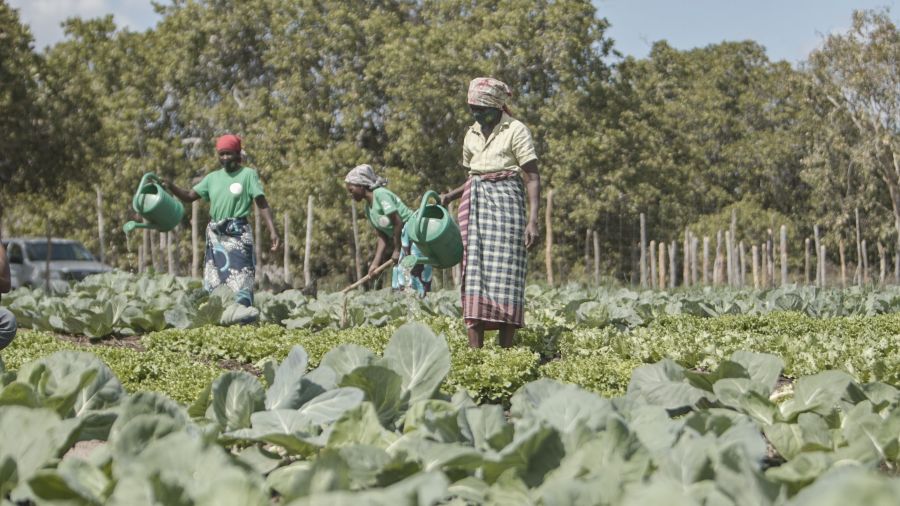
Communities around Zinave depend heavily on livestock, small businesses and subsistence farming, often under difficult conditions shaped by erratic rainfall, degraded soils and growing climate uncertainty. These pressures can increase reliance on the natural resources on which livelihoods depend. Addressing them requires continued investment in both the park and surrounding communities.
Since 2015, the Government of Mozambique, through the National Administration for Conservation Areas (ANAC), and Peace Parks Foundation have worked together under a co-management agreement to restore, develop and manage Zinave National Park.
As part of the programme, The Hunger Project, which is already active in the area, will work closely with the park to implement community-centred activities that strengthen resilience.
“This includes access to water, regenerative agriculture and human-wildlife coexistence interventions,” says Ilidio Uamusse, Park Warden for Zinave National Park. “This funding enables us to build on a people and nature approach that improves livelihoods while safeguarding ecosystems for future generations.”
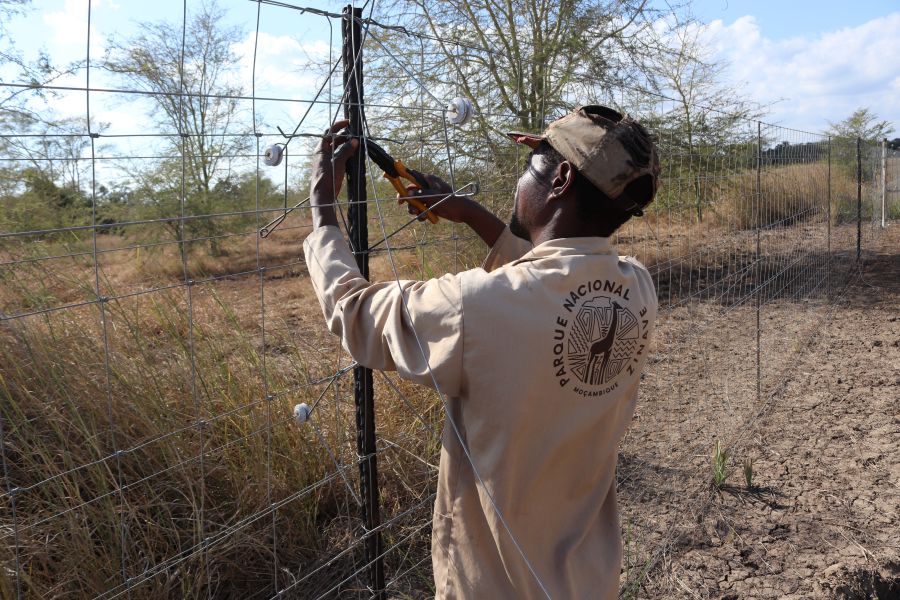
Zinave National Park is a critical part of the Great Limpopo Transfrontier Conservation Area, supporting wildlife movement and connectivity across national borders.
The programme is funded by the German Government through KfW Development Bank and the Southern African Development Community Transfrontier Conservation Area Financing Facility, administered by the International Union for Conservation of Nature.
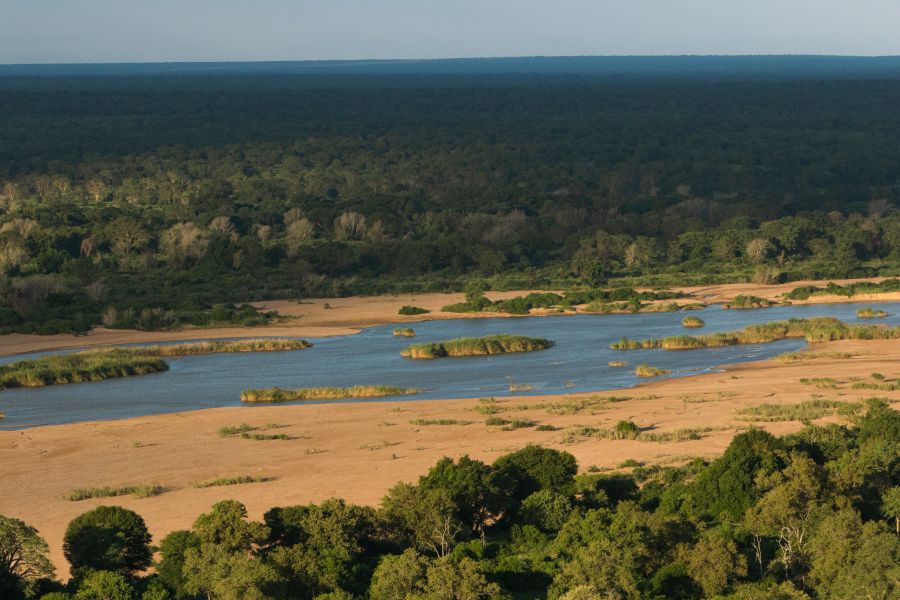
For Zinave, this investment is about ensuring that the progress already made continues to deliver for the park, its wildlife and the communities around it.
