

Restoring degraded land starts with something many thought impossible: hundreds of households agreeing to manage it together.
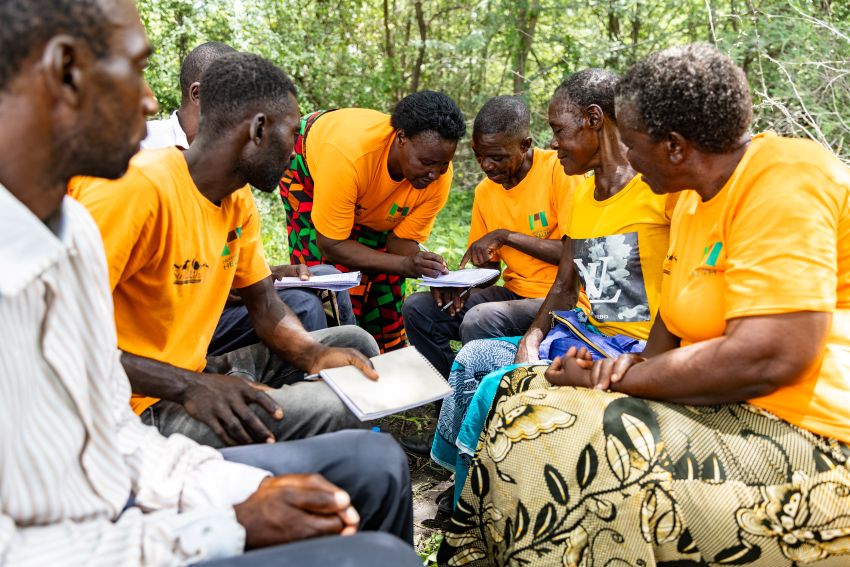
Across Zambia’s Simalaha Community Conservancy, people are restoring rangelands and revitalising livelihoods through collective grazing management. Rather than every household deciding independently where cattle graze, farmers now work through Village Action Groups and Grazing Area Committees to plan grazing collectively across shared rangelands.
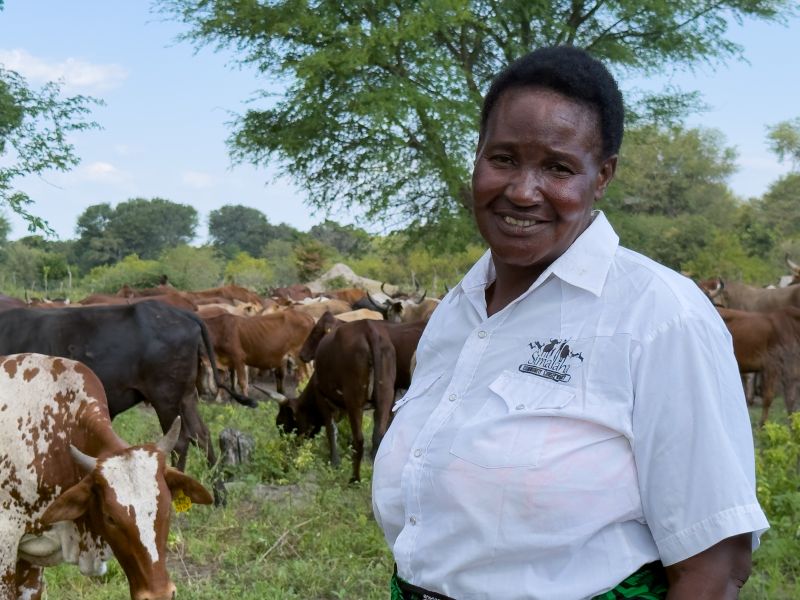
For years, Monde Mulele, a Herding for Health pastoralist, had been facing a dilemma. With a large family to feed and cattle to care for, she often had to decide whether to spend her limited money on food for her children or vaccines for her livestock.
Today, life looks very different.
“My life has changed,” she says. “Through this work, we have begun restoring our land and improving our household income.”
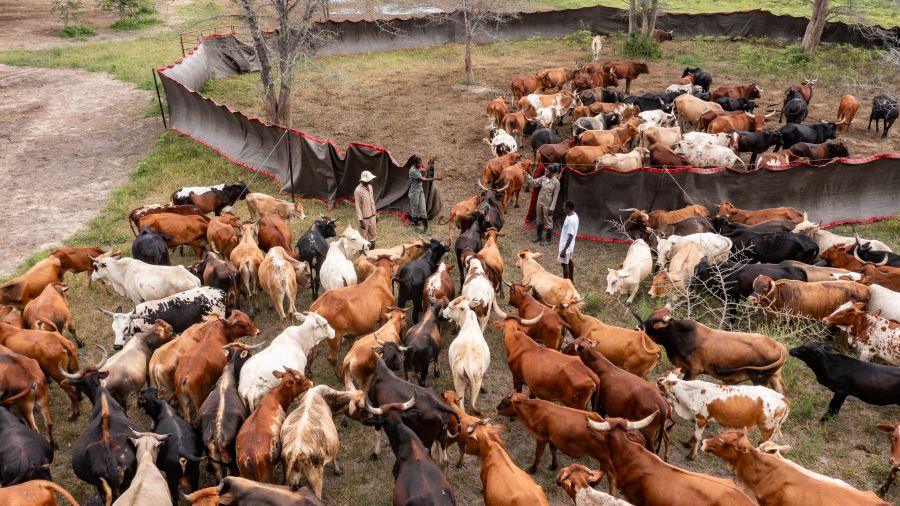
Monde is one of hundreds of farmers who have adopted a new approach to managing shared grazing land through Herding for Health, a community‑led livestock management programme, delivered in partnership by Conservation International and Peace Parks Foundation. The programme supports rural livelihoods in and around protected areas through improved herding practices, shared grazing management and stronger community governance.
A shared approach to shared land
Set within the Zambezi–Chobe floodplain, Simalaha has long supported farming, grazing and cultural traditions. But years of pressure from overgrazing and changing climate conditions eroded the land’s ability to sustain both people and wildlife.
Today, communities are returning to the age-old practice of managing their land together, adapting it to meet today’s challenges. By allowing some areas to rest while others are grazed, communities are improving soil fertility and water retention, increasing available grazing, and improving livestock health and market value.
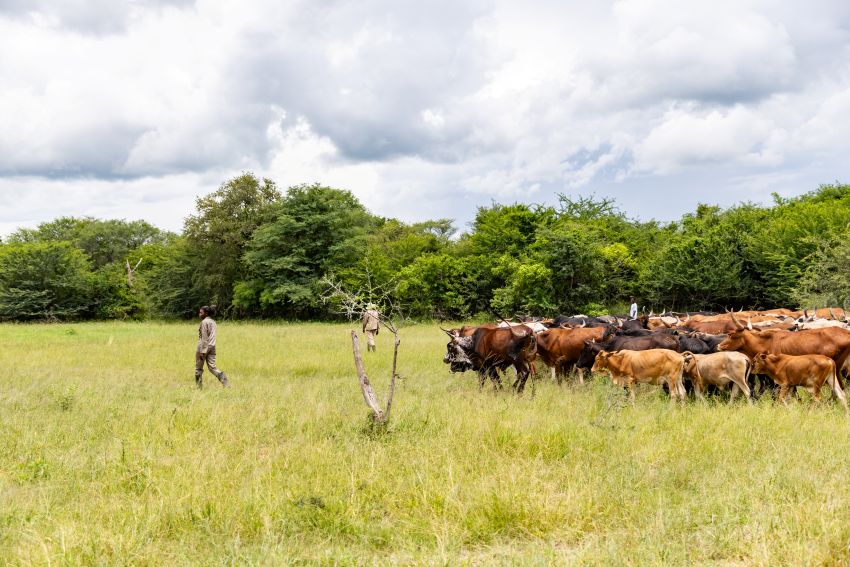
The change is already visible. More than 50 000 hectares are now under improved grazing management, up from 20 000 when the work began. More than 380 farmers are now participating, up from 75 when the programme started.
As grazing pressure eases, vegetation is recovering, soils are retaining more moisture and livestock have access to healthier grazing for longer periods.
“What I see is a good environment with healthy livestock, improved rangelands, and plenty of food for our people,” says Sikuka Mwituma, Mwandi District Commissioner.
Managing communal grazing requires trust, cooperation and shared decision-making across hundreds of households. That agreement has become one of Simalaha’s greatest strengths.
A farming system that gives people back their time and choices
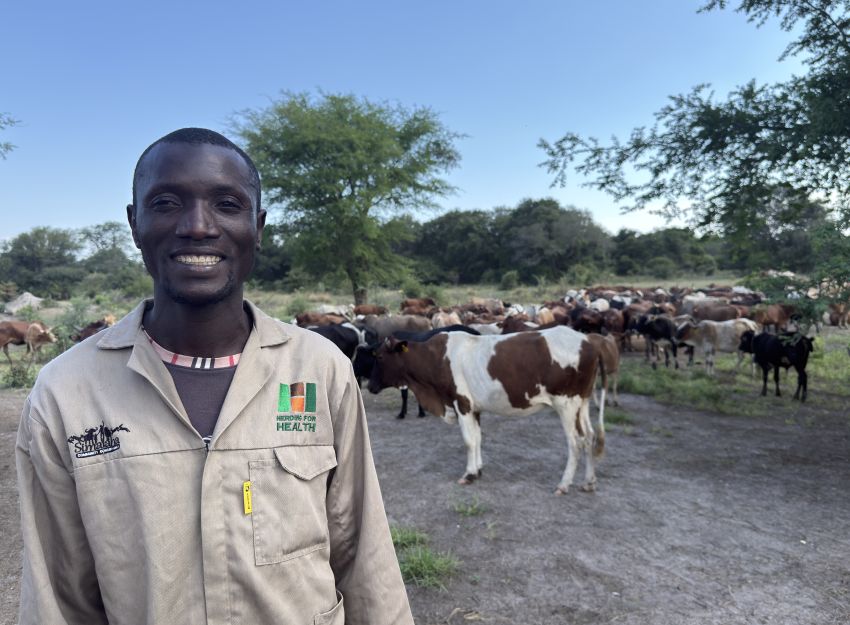
A key part of this approach is the way livestock are managed. Rather than every household tending its own cattle, farmers pool their livestock under the care of trained professional herders. Coordinated grazing, regular vaccinations and improved animal husbandry reduce the daily burden on households while improving livestock health.
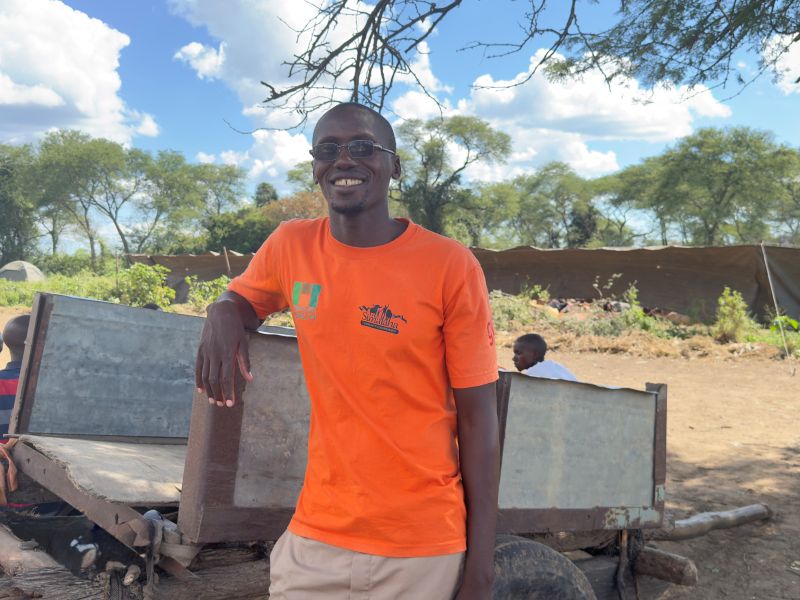
For people like Gift Siboli, who is a farmer and a Herding for Health facilitator who supports other pastoralists, the difference has been clear and life changing.
“Now I am a free man,” he says. “I am able to run my businesses because I no longer carry the burden of looking after my cattle every day.”
With more time to pursue other income-generating activities, households are diversifying their livelihoods and strengthening their resilience.
Communities leading, government enabling
Communities are leading this work, supported by the Government of Zambia through local leadership structures that enable people to take collective responsibility for managing and restoring their land.
Technical partners support grazing management, livestock health and local capacity, while communities continue making decisions about how their shared land is managed.
“Healthy soils are the foundation for livestock, crops, and wildlife alike,” says Doubt Chibeya, National Policy Advisor and Activity Coordinator for the German Development Cooperation.
A model beyond Simalaha
Simalaha offers lessons that extend beyond a single landscape. It shows how traditional knowledge, supported by local governance and technical expertise, can help communities restore degraded rangelands, strengthen food security and adapt to a changing climate.
Supported through the International Climate Change Initiative’s Growing Greener Programme, this work reflects a long-term partnership among the Barotse and Chundu Royal Establishments, Zambia’s Department of National Parks and Wildlife, and technical partners working alongside local communities. These include the German Development Cooperation (GIZ), Conservation International (CI), Centre for Coordination of Agricultural Research and Development for Southern Africa (CCARDESA) and Peace Parks Foundation. Together, they are demonstrating that restoring shared landscapes begins with shared responsibility.
