

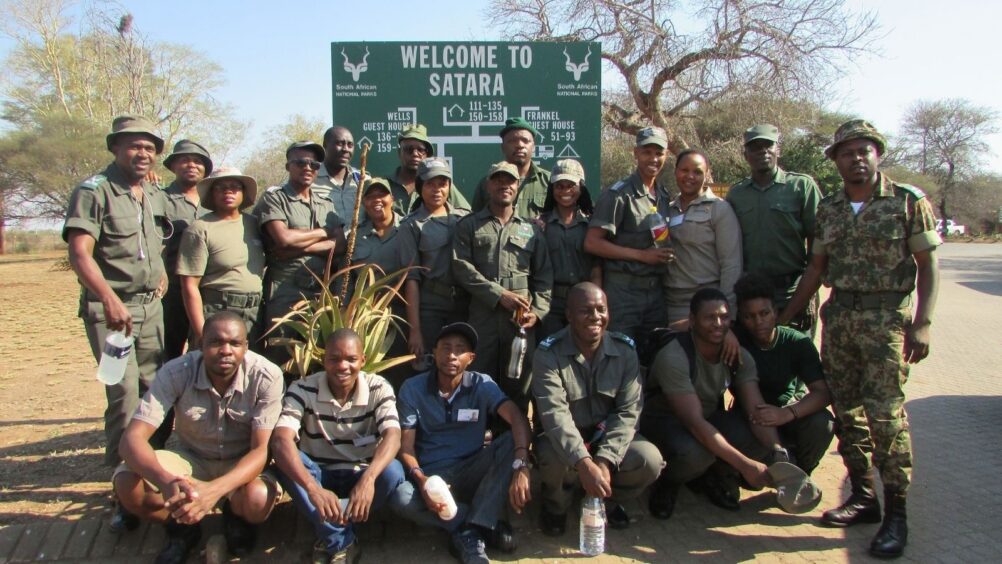
In 2012, Kingsley Kwalyambumu earned a living as a casual labourer, helping build a fence in Zambia’s Simalaha Community Conservancy. While working on the fence, Kingsley encountered Simalaha’s community scouts and began learning more about their work of protecting wildlife and supporting communities living alongside it.
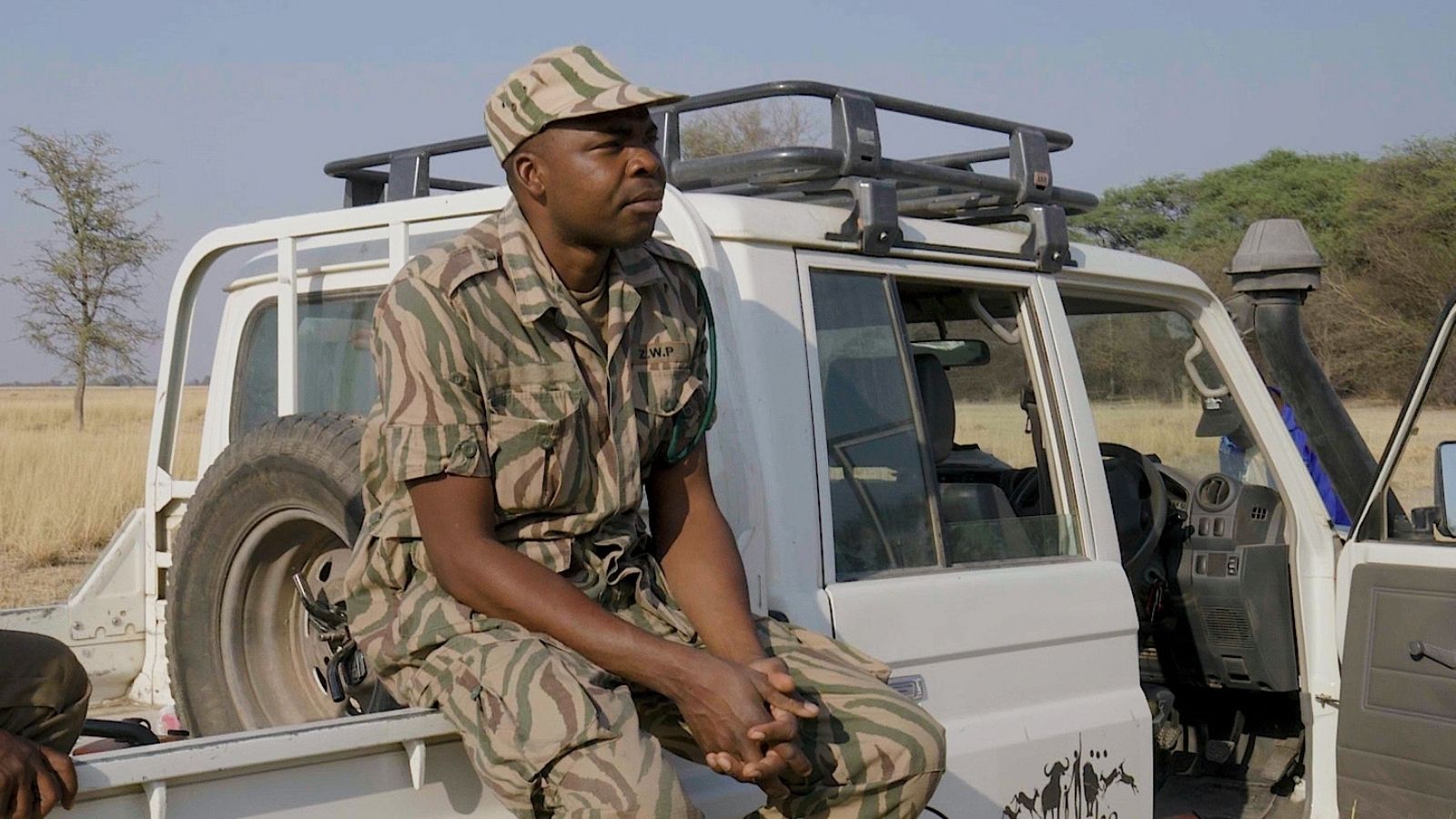
Today, Kingsley serves as a Wildlife Police Officer with Zambia’s Department of National Parks and Wildlife. He also mentors young people entering the conservation sector.
“When people are empowered to lead, entire landscapes can thrive,” he says.
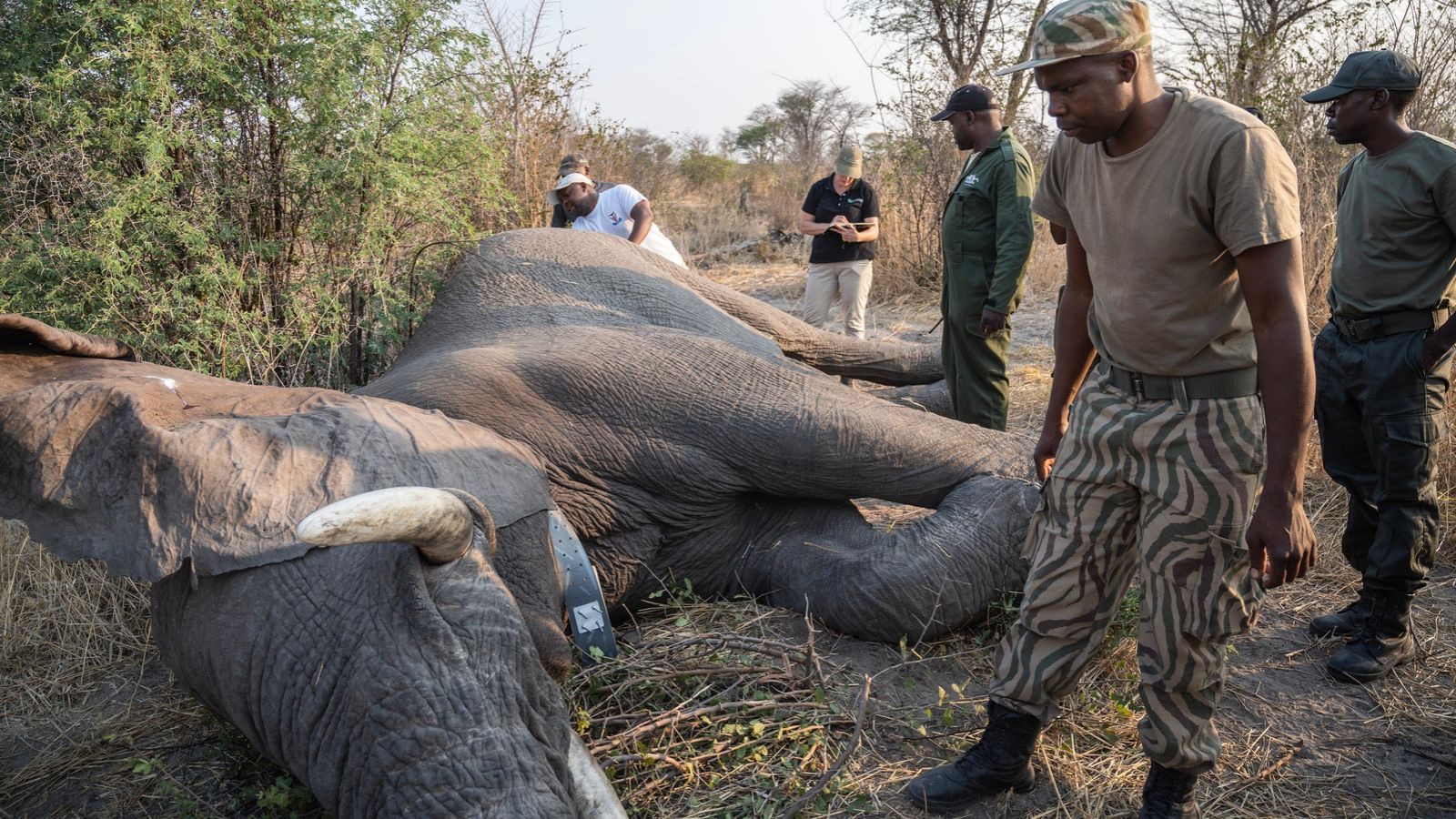
The path from casual labourer to conservation officer did not happen overnight. A key turning point came when Kingsley got a scholarship to enrol in the Higher Certificate in Nature Conservation at the Southern African Wildlife College.
“The training changed my life. It introduced me to wildlife management, leadership, communication, ecology, tourism, law enforcement, and the planning and implementation of conservation activities,” he says.
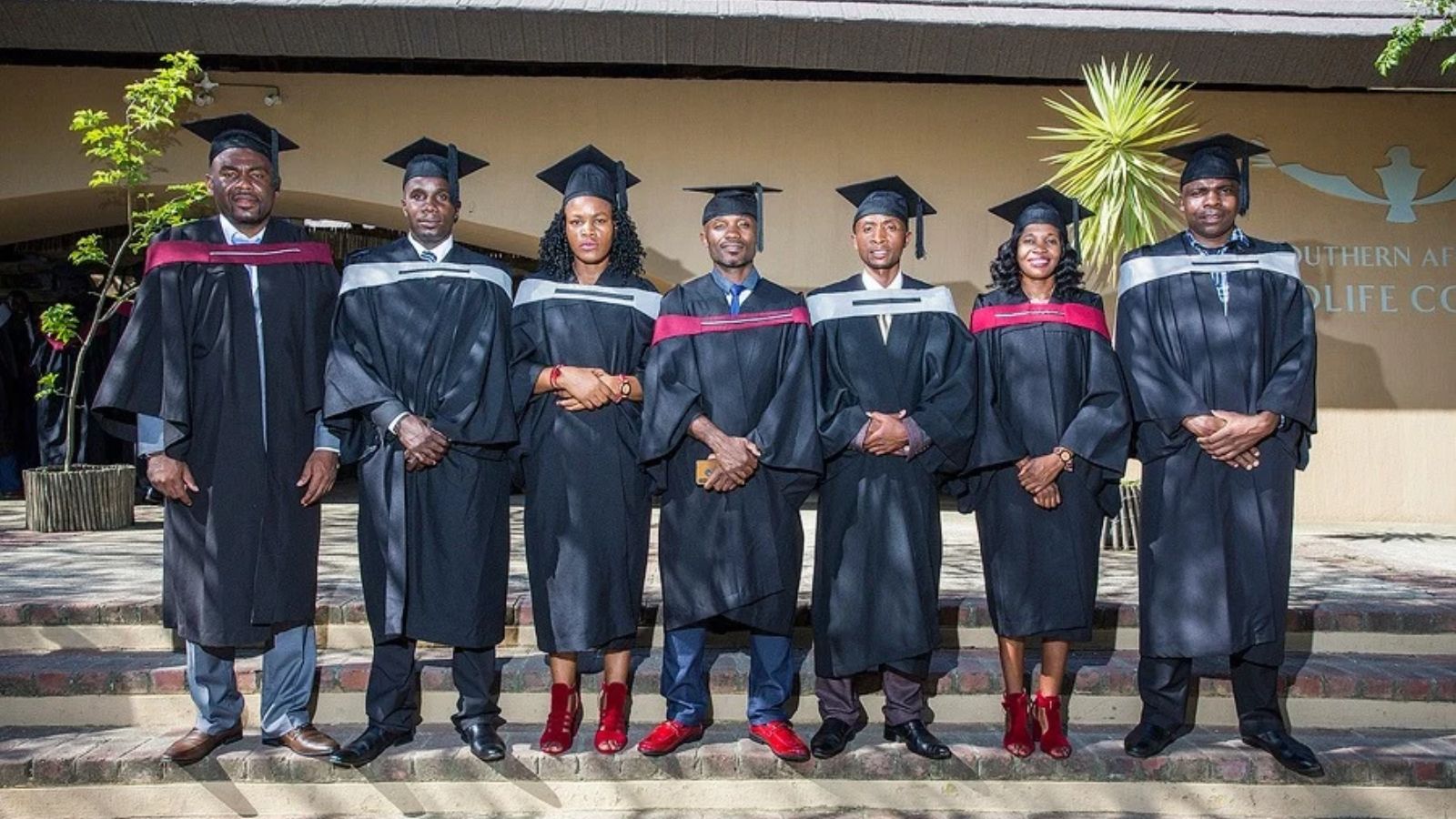
The experience gave him confidence and a new perspective on what conservation could achieve. He returned with new skills, a deeper understanding of the challenges facing landscapes such as Simalaha, and a determination to make a difference in the field.
“Conservation is a relay race. If we don’t pass the baton to young people with skills, values and opportunities, the work stops with us,” he says.
Beyond his work, Kingsley is a husband and father of three who enjoys football and a good cup of coffee after a day in the field. Kingsley’s story is part of a wider investment in conservation skills and leadership across Africa. He is one of nearly 1 400 people who have completed the Southern African Wildlife College’s Natural Resource Management programmes since 1996. More than 30 000 people from 67 countries have completed the College’s conservation-related courses, including over 16 800 field rangers and wildlife officers.
Each year, in collaboration with conservation organisations and agencies across the Southern African Development Community (SADC) region, the College selects 50 students already employed in the conservation sector to be trained across two Natural Resource Management programmes.
“We often speak about developing conservation professionals, but it is stories like Kingsley’s that bring that impact to life. What he learned in the classroom is now helping protect wildlife and support communities in Simalaha,” says Jeanné
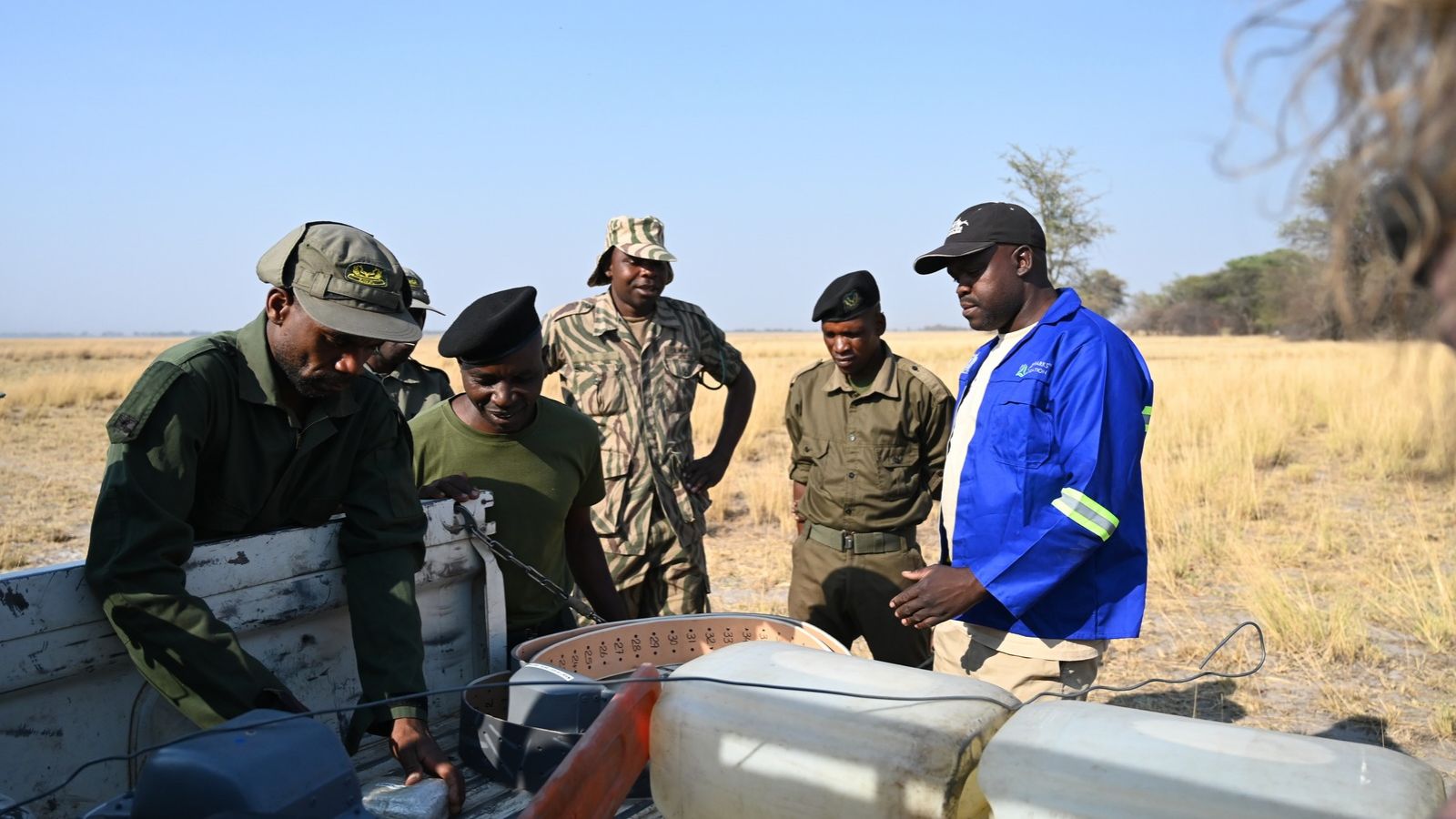
With support from Peace Parks and its partners, investments in training, conservation technology, and community conservation are strengthening protection of the Simalaha landscape while creating opportunities for future generations to play a leading role in conservation.
What began as a fence-building job has grown into a career dedicated to protecting wildlife and supporting the communities that live alongside it. Today, Kingsley helps safeguard the landscape that first inspired him while mentoring the next generation of conservation professionals who will carry that work forward.
Thanks to: Agence Française de Développement (AFD); Agricultural Research for Development (CIRAD); Cartier; Center For International Forestry Research (CIFOR); Commonland; CoMOn Foundation; Deutsche Gesellschaft für Internationale Zusammenarbeit (GIZ); Du Preez Wild; Dutch Postcode Lottery; German Postcode Lottery; Global Development Group; Kadans Foundation; MAVA Foundation; Mr Neville Isdell; Ms Hester Coetzee; Mushingashi Conservancy; Stichting Energo; Swedish Postcode Lottery; US Department of State Bureau of International Narcotics and Law Enforcement Affairs (INL); and Vitol Foundation.
