

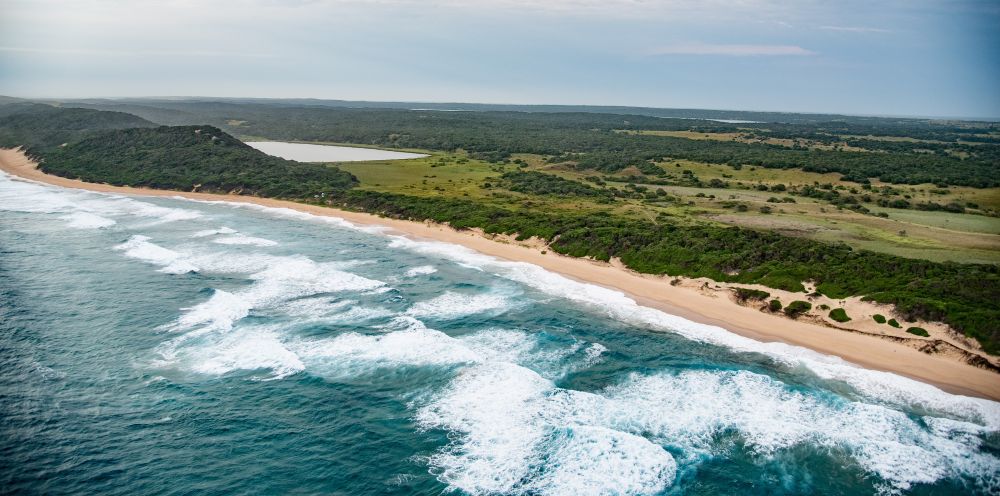
UNESCO has officially inscribed Maputo National Park as a World Heritage Site, marking a significant achievement for Mozambique and a major step forward for biodiversity protection on the African continent.
“This is a proud and historic moment for Mozambique,” said the Secretary of State for Land and Environment, Gustavo Dgedge. “To be recognised by UNESCO is a powerful endorsement of the work being done here. It honours the dedication of our government, communities, and partners to restore this unique landscape.”
Maputo National Park showcases an extraordinary variety of intact and visually striking environments, from coral reefs and seagrass beds to wetlands, freshwater lakes, coastal dunes, savannahs, swamps and mangroves that it encompasses.

Located in southern Mozambique, the park spans an ecologically rich area of 1,794 km2. The designation recognises Maputo National Park’s critical role in preserving threatened species and habitats. Its beaches host the southernmost nesting sites of leatherback and loggerhead turtles. The area is home to the world’s largest aggregation of giant kingfish and serves as a key stopover for migratory birds on the East African flyway.
“Protecting these wild spaces is essential to sustaining Africa’s biodiversity in the face of global environmental change” said Pejul Calenga, Director General of the Mozambique Government’s National Administration for Conservation Areas. “As only the second World Heritage Site in our country, and our first natural one, this designation shows our commitment to protecting it.”

Proclaimed a national park in 2021, Maputo National Park merged the Maputo Special Reserve and Ponta do Ouro Partial Marine Reserve into one expansive protected area. Originally established to safeguard the region’s iconic coastal elephants, the park has undergone a dramatic transformation, from a once-depleted landscape to one of Africa’s most inspiring conservation success stories. Through a co-management partnership with Peace Parks Foundation, significant infrastructure investment and enhanced law enforcement created the conditions for the successful reintroduction of 5,388 game animals, helping to restore balance and vitality to the ecosystem. Today, the park welcomes visitors to three tourism establishments, offering experiences that range from rustic camping to luxury travel.
Local communities also directly benefit from the park’s success through a 20% revenue-sharing scheme, sustainable livelihood support, and managed access to natural resources. Ongoing community-based initiatives include conservation agriculture, sustainable fishing, rangeland management, aquaculture, eco-tourism, and paid restoration work such as mangrove rehabilitation.
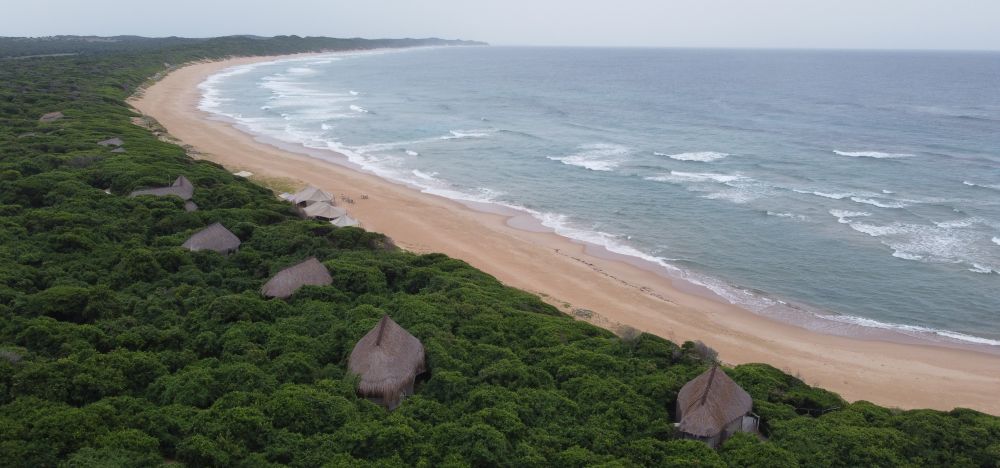
“This moment marks a compelling milestone not only for Mozambique, but for the entire region,” said Werner Myburgh, CEO of Peace Parks Foundation. “We commend the Government of Mozambique’s unwavering commitment to conservation and community development. We are immensely proud to have walked this journey with them as co-management partners. What once was a protected area on paper only is now a thriving productive landscape of global significance. This achievement would not have been possible without the generosity and vision of the many donors and friends who have helped us revive, protect and reimagine this vital ecosystem for generations to come.”
