

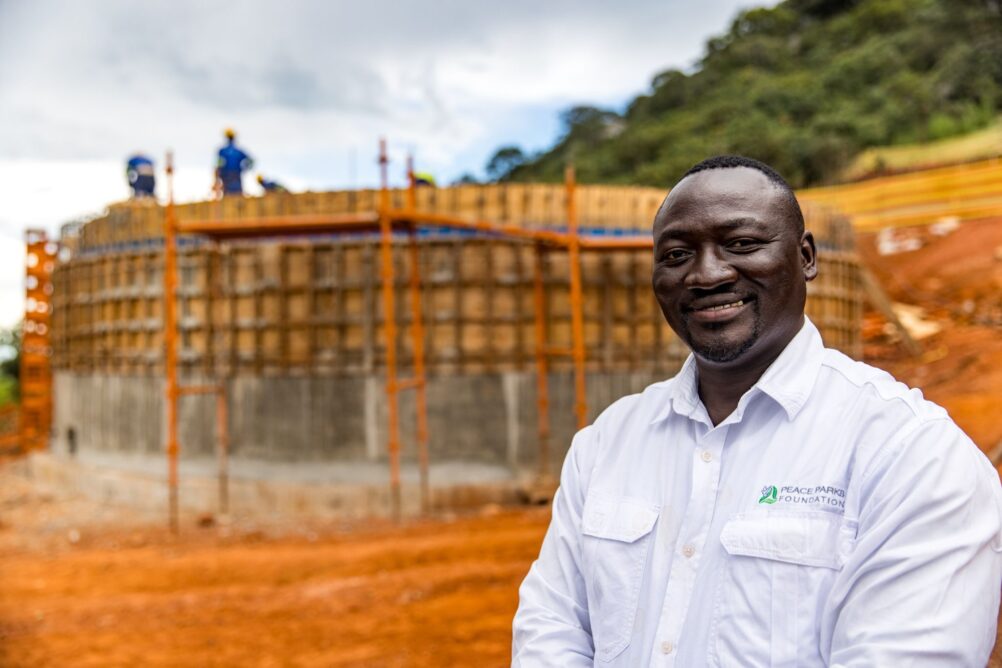
Conserving Malawi’s wild heart: CEO of the Nyika-Vwaza Co-management Trust’s vision for this transboundary landscape
George Nxumayo’s connection to the Nyika-Vwaza landscape runs deep. He first started working in and around Vwaza Marsh Wildlife Reserve nearly two decades ago, in 2005. Today, as CEO of the Nyika-Vwaza Co-management Trust, he draws on a lifetime of conservation and community experience to guide one of Malawi’s most ecologically important regions toward a future that’s both sustainable and inclusive.
What experience prepared you for leading the Trust?

I’ve been part of this landscape for most of my professional life. My journey began in 2007, working in research and development, before moving into leadership roles in government and on international projects, including a World Bank-funded initiative and a €23 million transboundary conservation project. Over the years I’ve worked across biodiversity, community development, tourism and corridor management.
Now I’m excited to bring those experiences home to the Nyika-Vwaza Co-management Trust. This new co-management agreement between the Government of Malawi and Peace Parks Foundation gives us the structure to manage this landscape effectively, with communities at the centre and operations that run efficiently on the ground.
What’s your vision for the Trust in the next few years?
We’re building a conservation model that’s future ready, one that’s inclusive, sustainable and managed with professional discipline. The transition period is key. That means investing in people, recruiting skilled and motivated staff, and creating a culture of accountability.
We’ve already registered our Board and appointed an HR manager and research co-ordinator, and we’re now recruiting for operations, law enforcement and community engagement roles, all crucial to tackling illegal resource use and strengthening our partnerships with communities. In the next five years I see tourism playing a major role in generating revenue.
What are your top conservation priorities?
Nyika-Vwaza is a biodiversity hotspot that faces serious threats. Poaching, orchid harvesting and bushfires are damaging the ecosystem and allowing invasive species to spread. These issues need urgent attention.
But enforcement alone isn’t enough. We must support communities living around the park. That’s why we’re partnering with The Hunger Project to introduce development programmes that offer alternative livelihoods such as sustainable agriculture and small-scale enterprises. When people have better options, the pressure on wildlife decreases.
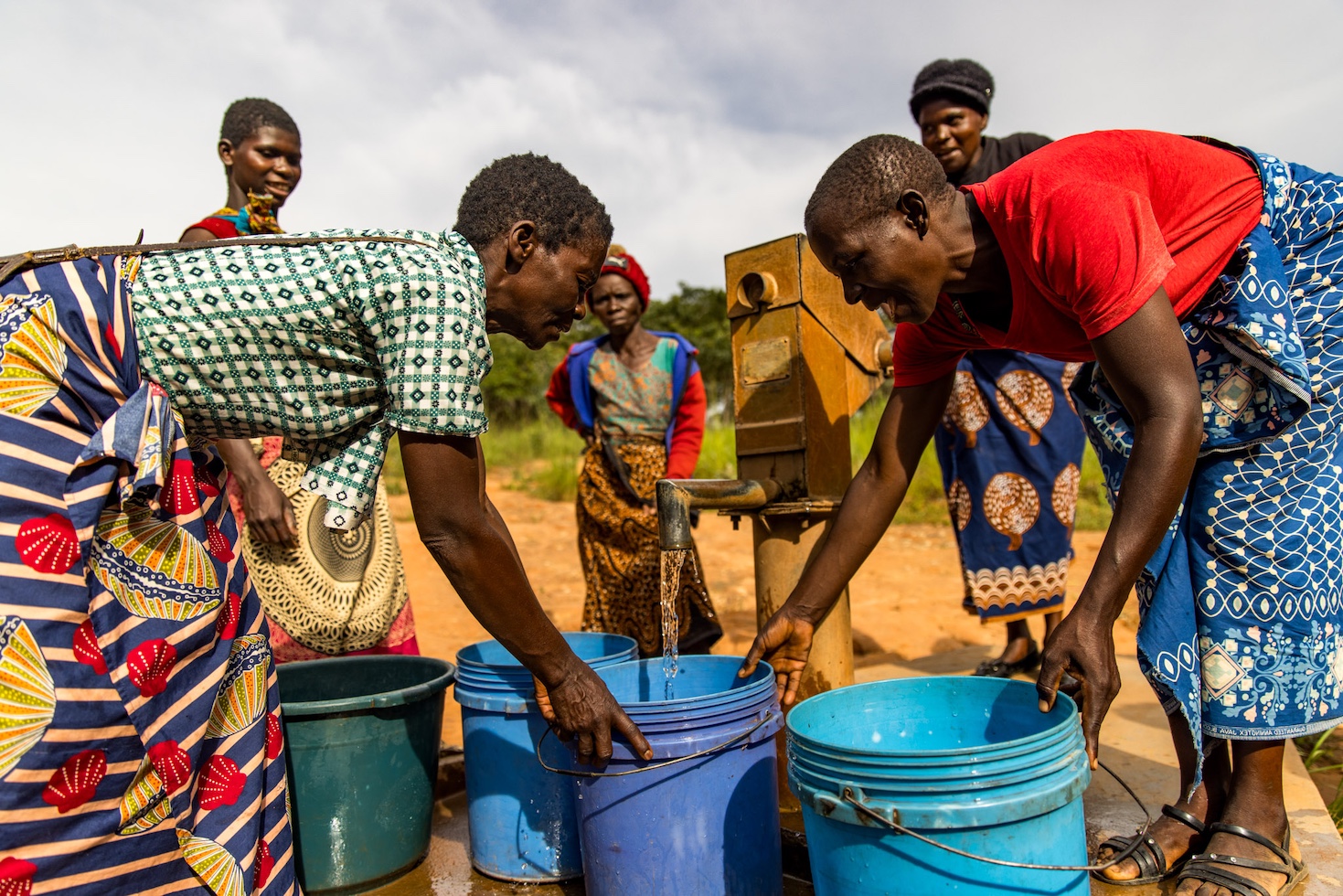
We’ve already seen success. In 2009, I proposed a water supply project for the surrounding communities. Today, the Nyika-Vwaza Gravity-fed Water Scheme provides clean water to over 18,000 people – and soon, this will extend to 33,000. It’s a powerful example that conservation and development go hand in hand.
We also have a government-approved revenue-sharing scheme, where 5% of park income goes directly to local communities. This ensures they benefit directly from conservation efforts and have a stake in protecting the landscape.
How will you grow tourism without harming the environment?
Ecotourism is central to our strategy. Nyika National Park offers incredible opportunities for nature-based tourism, including hiking, bird watching, mountain biking and horseback riding. We’re developing a business plan that promotes these activities while preserving the park’s natural beauty.
We’re also exploring other sustainable revenue streams, such as carbon credits, payments for ecosystem services, and fair contributions from electricity generation within the park. Nyika stores significant amounts of carbon, and we want to make sure that value directly supports conservation.
How do you engage with partners, from government to communities?
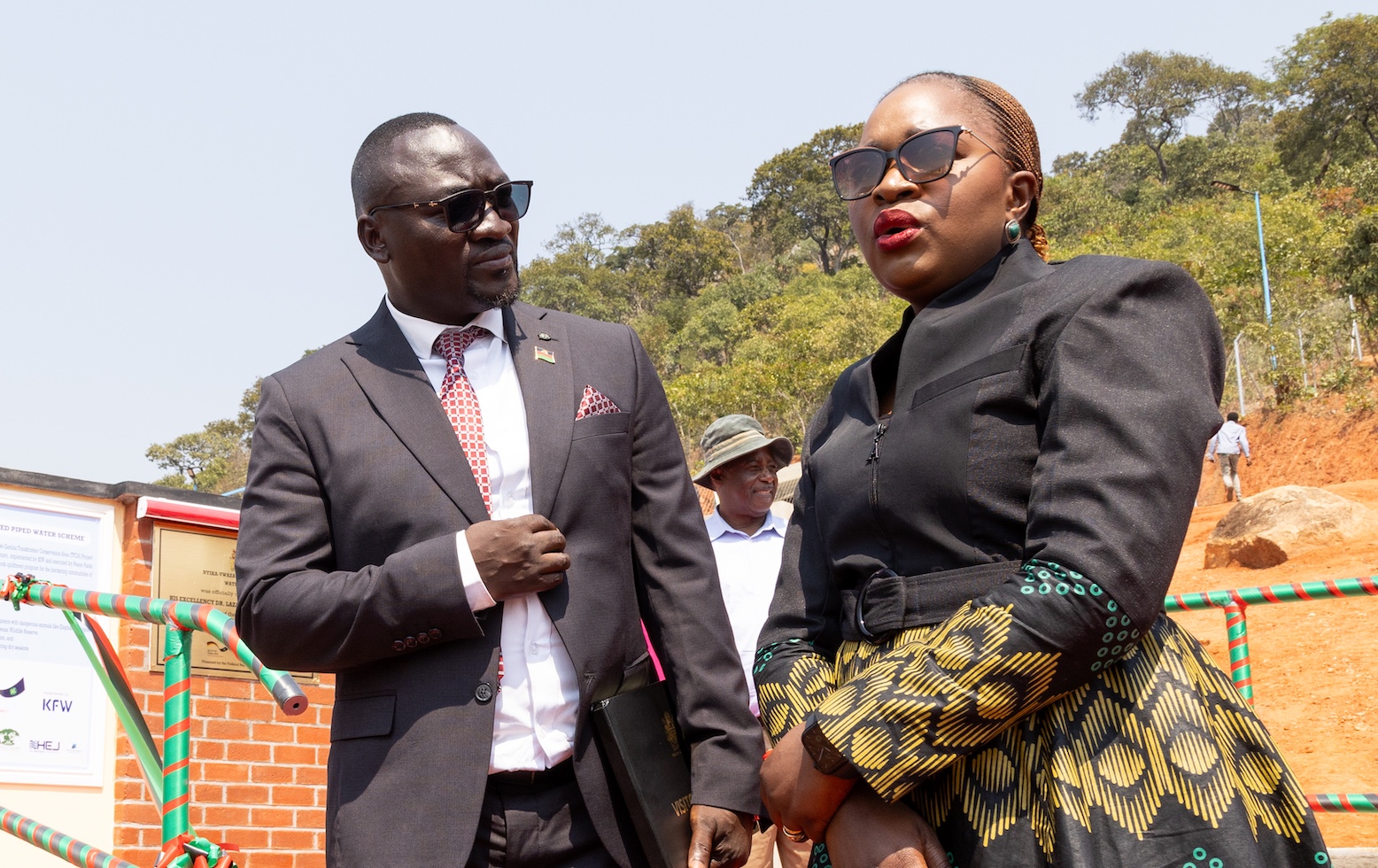
Our partners are at the heart of our work. The Trust itself is a co-management product, so collaboration is built into our DNA. We’re developing a community engagement plan to ensure local voices are heard and their needs addressed. Communities are the most affected by conservation decisions, so their involvement is non-negotiable.
We’re also improving how we communicate with donors and partners. Transparent, timely reporting is essential to maintain trust and encourage continued support.
What’s your strategy for raising awareness about conservation?
Since 2015, I’ve been the media contact for conservation in this region. Over time I’ve built strong relationships with journalists based on openness and reliability. We’ll continue sharing updates on our conservation and community programmes, not as press releases but as real stories that show how this work is changing lives.
How do you work with Zambia to protect the shared ecosystem?

Cross-border collaboration is absolutely vital here. I’ve worked closely with our Zambian counterparts for over twenty years, including during my time as Malawi’s Transfrontier Conservation Officer. We’re currently developing joint proposals, including one for EU funding, and collaborating with organisations such as the Frankfurt Zoological Society.
Together we’re creating a shared governance model that involves chiefs and community leaders on both sides. It’s about protecting wildlife corridors and dispersal areas through joint stewardship.
What excites you most about this role?
The enthusiasm from communities and partners is incredibly motivating. This transition may seem administrative on paper, but it represents a genuine shift in how conservation is done. With strong support from political leaders and the public, I’m confident we can build something truly impactful. I’m excited to lead the Trust into this new era and help it thrive.


