

Blog by Werner Myburgh, Peace Parks Foundation CEO
Last month marked 25 years since Africa’s first transfrontier park was born – one that holds a special place in my heart because of a day I’ll never forget. It was in April 1999, in my first year working for Peace Parks Foundation, when we were a team of six people with big ideas.
I played a small role in turning a bold dream into reality…one that would forever change the face of conservation in Africa.
On that day, I waited outside the office of the President of South Africa, Nelson Mandela, as he signed a first-of-its-kind agreement. The next morning, I caught a flight to Gaborone, Botswana and sat outside the office of his counterpart, President Festus Mogae, as he added his signature and sealed the future of a park that would transcend borders.
In those days, the document was carried by hand from President to President as there were no protocols in place yet for following diplomatic channels for this type of agreement. Since then, the processes have become far more structured and sophisticated.
The two encounters birthed Africa’s first transboundary landscape, the Kgalagadi Transfrontier Park, which was officially launched a year later. And the signatures of the two presidents lent credibility to Dr Anton Rupert’s vision – that peace parks were an idea whose time had come. Despite his conviction, he often stated that he never dreamed of the level of goodwill and support it would receive, nor that it would get so much traction so quickly.
More transfrontier parks were established in quick succession, as the concept took on a momentum that clearly illustrated the need to address an important void. The lack of formal and structured co-operation frameworks between countries that shared wildlife and natural resources across international borders.
What makes Kgalagadi so special, apart from its origins, is that the revenues from the park are shared equally between Botswana and South Africa. To date, it’s the only transfrontier park where visitors can freely traverse the two countries, provided they stay within the boundaries of the park, without requiring any formal immigration clearances – a model we hope others will adopt in future.
As a continental first, Kgalagadi is a special place because it laid the foundation for others to follow, forever changing the course of conservation. At that stage, the South African side of the park was running at a loss of R5 million per year, meaning that other parks had to subsidise it. Working with the then Department of Environmental Affairs (DEA) and the South African National Parks, we discussed how to strengthen the park’s financial success by offering more tourism facilities, including higher-end options. We learned that the South African Government’s poverty relief programme invested in skills development. Through the DEA, the park unlocked funding to build additional tourism facilities, which became a huge success.
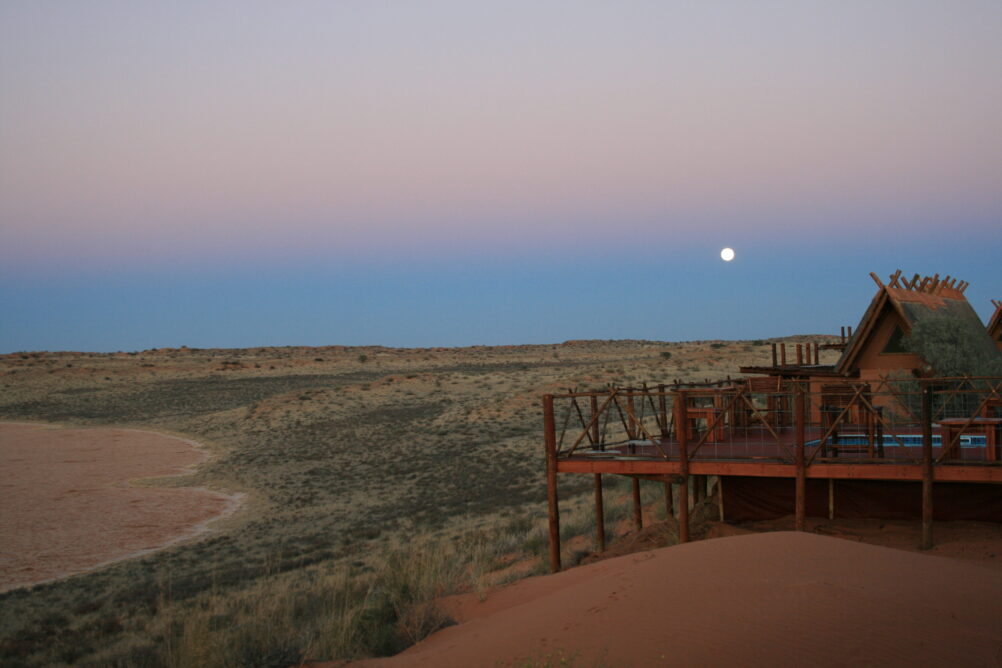
The five boutique wilderness camps offer intimate experiences in the heart of the Kalahari Desert and are so sought-after, they are often booked a year in advance. The South African side of the park was catapulted from a significant loss each year to an average occupancy rate of 80%. The Botswana side also benefited tremendously because it offers beautiful wilderness camping with no fencing, which means lions can walk right through your camp. It’s one of my favourite places to camp in Africa.
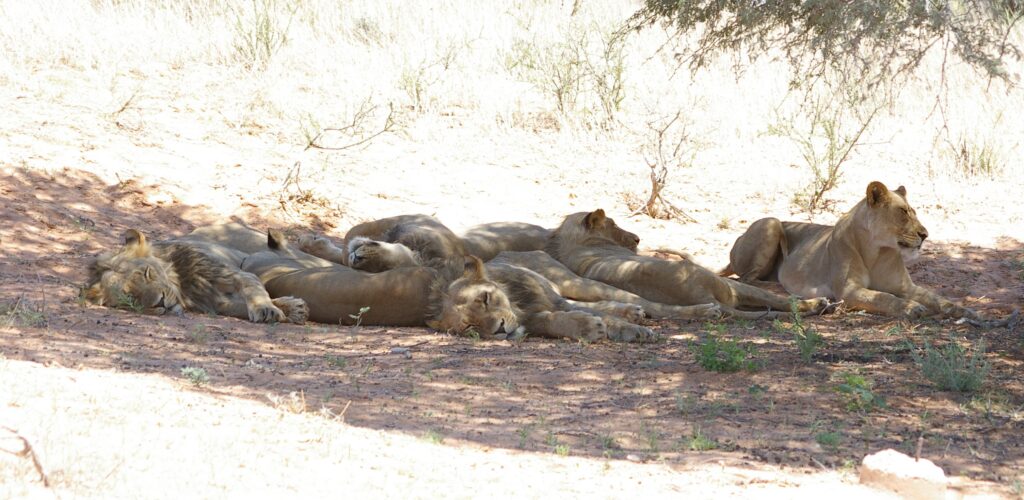
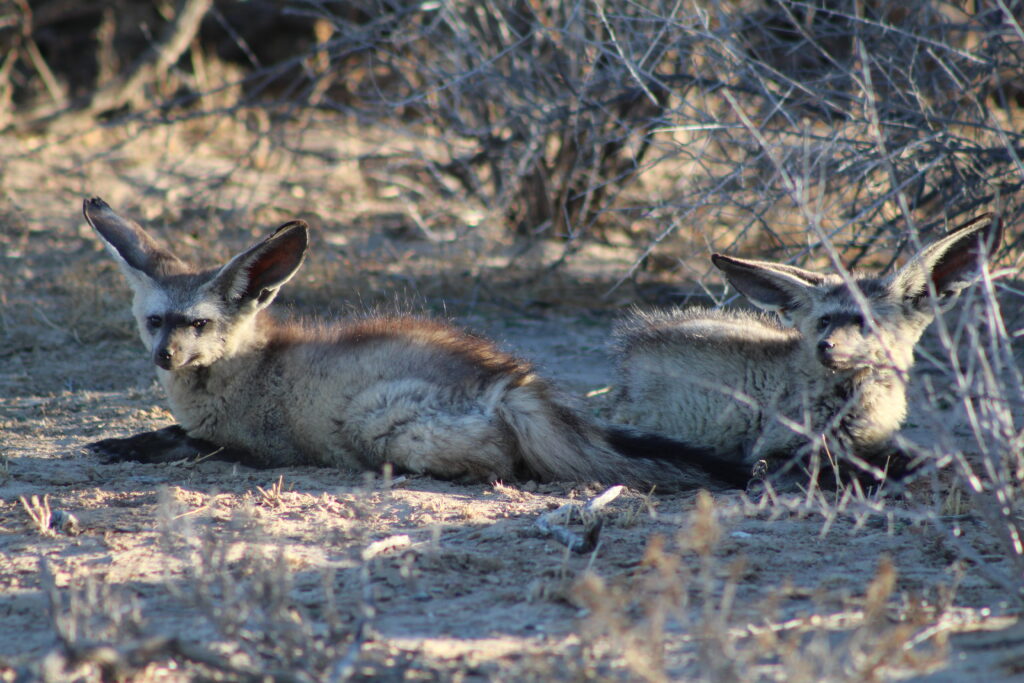
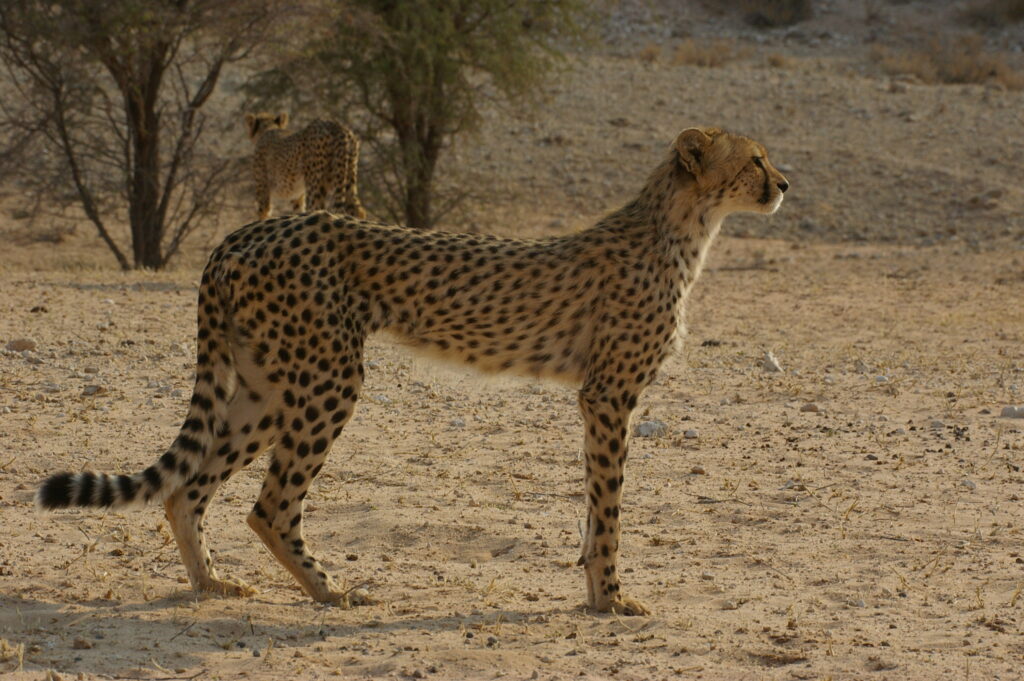
Kgalagadi’s popularity is directly impacting people in the landscape – a key ingredient in successful conservation. The park is harnessing and protecting one of Africa’s most unique features – its charismatic wildlife species, which can be found nowhere else on Earth. This is the important contribution that transfrontier parks make in safeguarding the future of wildlife for the benefit of people and functional ecosystems. And to be able to play a role in these efforts is a wonderful privilege.
It is both humbling and inspirational to note that the area formally set aside for transboundary conservation throughout southern Africa increased by more than 2,300% – from 38,000 km2 to more than 920,000 km2. From the first transfrontier park created in 1999, to 13 formally established transboundary landscapes 25 years later, this exponential expansion in preserving ecosystems across international boundaries arguably makes this the largest conservation movement in the world. For context, that’s an additional 882,000 km2 – nearly three quarters the size of South Africa, or more than three times the size of the United Kingdom. And yes, there is still a lot of work to be done on the ground to further translate this dream into reality, but the foundations have been laid and the state of conservation in protected areas throughout southern Africa is in a considerably better place today.
