


In western Zambia’s Sioma Ngwezi National Park, a little-known medicinal plant is vanishing – not from overuse by local communities, but at the hands of international crime syndicates.
Devil’s Claw (Harpagophytum procumbens), a heritage species long used by communities across southern Africa, has already disappeared in two of the park’s three zones. Its tuber is a coveted ingredient in global herbal and wellness markets, especially in Europe, where it’s widely used for rheumatism, arthritis and inflammation. Locally, it has also been relied on to treat fever, pain, hypertension, indigestion and skin ailments.
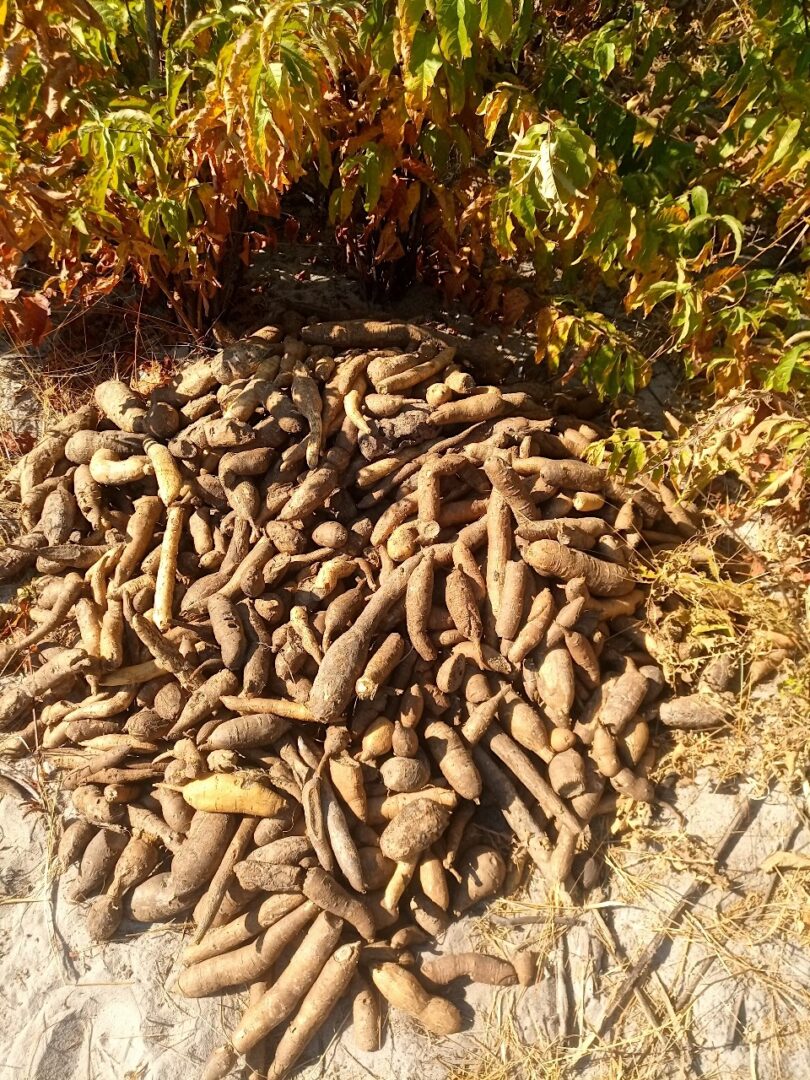
“With the intensified targeting of Devil’s Claw, we are at risk of losing an important heritage plant. The loss will severely affect the local people who use it for medicinal purposes.” – Sydney Tembo, Project Manager for the Kavango Zambezi Transfrontier Conservation Area at Peace Parks Foundation
A new target for wildlife crime
The global market for Devil’s Claw is worth over $100 million, and yet, indigenous harvesters see as little as 1% of the profits. Criminal networks in Zambia are illegally extracting the plant and selling it to Namibian exporters, who then distribute it to European buyers – often under the radar.
“The pharmaceutics industry needs to be aware of the source of their supplies and whether these are legitimate, as there are negative consequences for Africa’s heritage.” – Sydney Tembo, Peace Parks Foundation

“The main beneficiaries are not the local harvesters themselves but the crime syndicates who exploit them, as well as international traders selling high-end products. Unless we protect valuable plants like Devil’s Claw, we undermine both the integrity of the ecosystem and the future of Sioma Ngwezi as a natural and economic asset.” – Gillian Rhodes, Combatting Wildlife Crime Programme Manager, Peace Parks Foundation.
A partnership to protect people and plants
To strengthen conservation in Sioma Ngwezi, a new co-management partnership has been established between:
- The Department of National Parks and Wildlife
- The Barotse Royal Establishment
- Peace Parks Foundation
- WWF Zambia
Together, they are setting up the Sioma Ngwezi Management Complex Foundation – an autonomous entity that will manage the park. The foundation will operate under a multi-stakeholder board including representatives from government, traditional leadership, Peace Parks and WWF Zambia.

The bigger picture
By increasing staffing and resources on the ground, the Foundation aims to protect key natural resources like Devil’s Claw, while developing sustainable opportunities for the surrounding communities.
“Sustainable use of this species is key – not only for conservation, but for unlocking long-term benefits for local communities and securing the park’s place in regional development.” – Gillian Rhodes, Peace Parks Foundation
Sioma Ngwezi forms part of the Kavango Zambezi Transfrontier Conservation Area (KAZA TFCA) – the world’s largest terrestrial transboundary conservation landscape, shared by Angola, Botswana, Namibia, Zambia and Zimbabwe.
Protecting the region’s biodiversity, cultural heritage and economic potential requires international accountability – and urgent action against wildlife and plant-based crime.
