

The Global Affairs Canada-funded Restoring African Rangelands Project
Across southern Africa, conservation is increasingly moving beyond fenced parks and into shared landscapes where people, wildlife and livelihoods depend on the same land.
In the Great Limpopo Transfrontier Conservation Area, a major cross-border initiative supported by Global Affairs Canada and implemented by six partners across three countries is helping turn that approach into reality.
A landscape connecting three nations
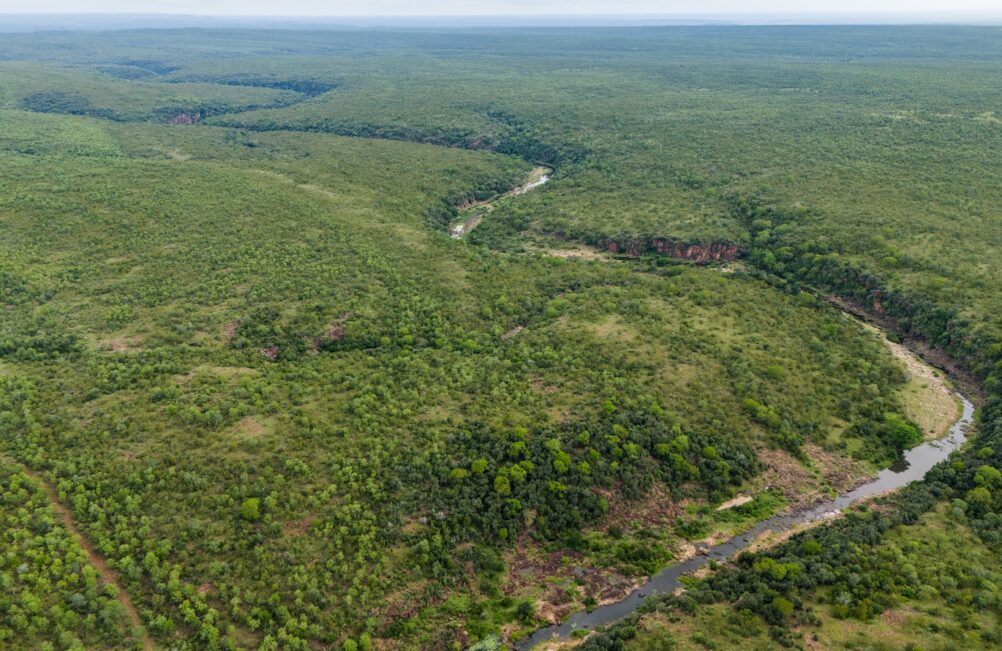
At the heart of the project lies the Great Limpopo Transfrontier Conservation Area (GLTFCA), a sweeping mosaic of national parks and community lands spanning three countries, Mozambique, South Africa and Zimbabwe. Three Mozambican national parks, Limpopo, Banhine and Zinave, sit within this broader system. To the south, Limpopo connects with South Africa’s Kruger National Park; to the north, Zinave links with Zimbabwe’s Gonarezhou National Park, supporting wildlife movement across the region. The lands between and around these parks are where the real conservation story unfolds, and where Peace Parks Foundation in partnership with Conservation South Africa, Conservation International, and Mozambique’s National Administration for Conservation Areas (ANAC), focused efforts.
Real change for people
Conservation only works when local communities benefit from it. The project reached over 107,000 community members through improvements in livelihoods, food security and youth programming. Community committees were strengthened, grievance systems put in place, and coordination between parks and local government improved.
The project also ran three governance workshops across Mozambique, South Africa and Zimbabwe, training 31 officials, including nine women, and helping strengthen institutions needed to support these landscapes over the long term.
A corridor recognised by law
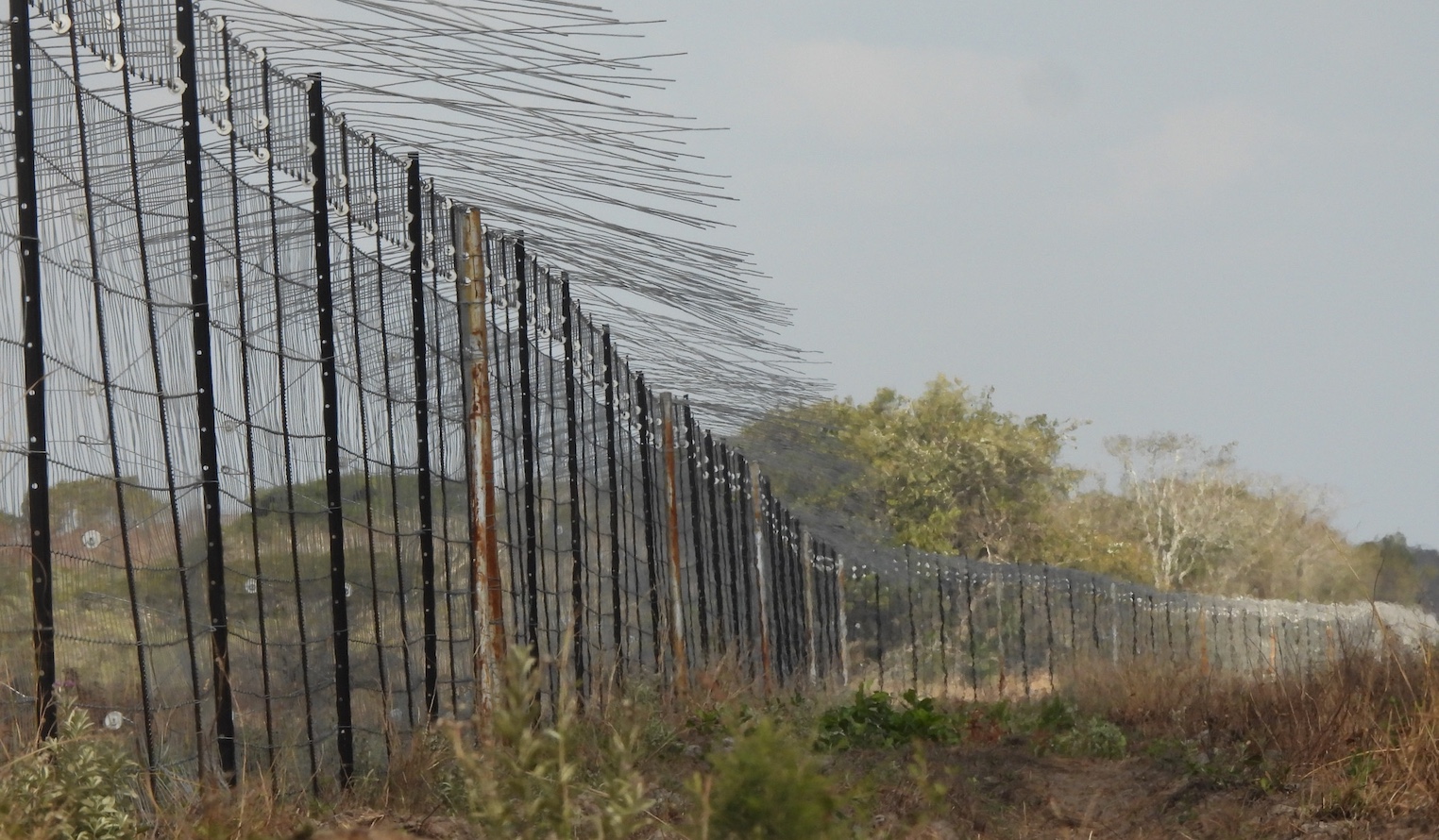
“The Mapai District Land-use plan, which forms part of the ecological linkage between Limpopo and Banhine national parks, was approved and published in Mozambique’s national government gazette in 2024/25, a country first. The plan designates land across six uses: wildlife corridors, sustainable farming, aquaculture, commercial forestry, tourism zones and human settlement, each placed according to ecological data and community need,” says Helena Atkinson, Community Development Manager for Peace Parks Foundation.
A second plan, for Mabalane District, was launched in June 2025 through the same inclusive process. Both were shaped by communities, government, NGOs and the private sector working side by side. Together these plans form part of the long-term development of the linkage.
Attracting new finance to nature
The project also broke new ground in conservation finance. A USD 10 million bond proposal was developed for the corridor between Limpopo and Banhine, supported by a first-of-its-kind impact guarantee framework.
A wildlife baseline survey was completed, a design partner engaged, and a new funding partner identified. With 110 camera traps now monitoring the landscape, the mechanism is helping position the corridor to attract new private investment into landscape protection.
The power of partnerships
Ask the project team what made the biggest difference, and the answer is consistent: partnerships.
Led by Conservation International, the project brought together ANAC, SANParks, ZimParks, and the Great Limpopo Transfrontier Conservation Area as government partners; the Endangered Wildlife Trust, Frankfurt Zoological Society, Green Matter, Kruger2Canyon Biosphere Reserve, EcoAdvisors and Peace Parks Foundation as implementing partners; Conservation Synergies, SAT-WILD, Gonarezhou Conservation Trust, and many community-level actors also contributed across different parts of the project.
“Conservation at this scale, spanning three countries, millions of hectares, and multiple partners is game changing. The GAC funding had extensive reach due to the multiple projects it funded and the strengthened alliances that have come from it.” Says Atkinson.
With corridor protections now formally recognised in Mozambican law, a pioneering conservation bond on the horizon, and over 107,000 lives positively impacted, the Restoring African Rangelands project has helped build something designed to last: the plans, partnerships and institutions needed to support one of Africa’s great connected landscapes into the future.
