

Agreement between Angola and Peace Parks Foundation to boost conservation and community development in south-eastern Angola
A new partnership between the Angolan Government and Peace Parks Foundation aims to strengthen conservation for Angola’s largest protected area, Luengue-Luiana National Park, and support benefits for local communities. A Memorandum of Understanding signed last week by Miguel Xavier, Director-General of Angola’s National Institute of Biodiversity and Conservation Areas (INBAC), and Dr Bartolomeu Soto, Peace Parks Foundation’s Regional Liaison Manager, lays the foundation for future work in the park.
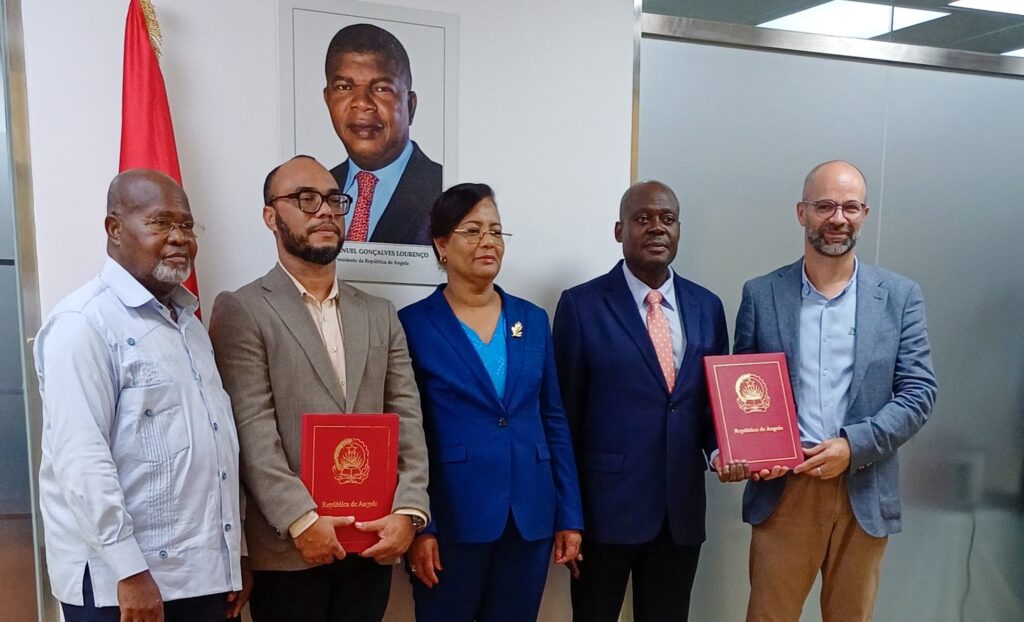
“This partnership marks an important step forward for Luengue–Luiana National Park and for Angola’s commitment to conserving its natural heritage,” said Xavier. “Working together with Peace Parks Foundation, we aim to strengthen the protection and management of this landscape while creating opportunities for local communities to benefit from conservation, development and long-term sustainability.”
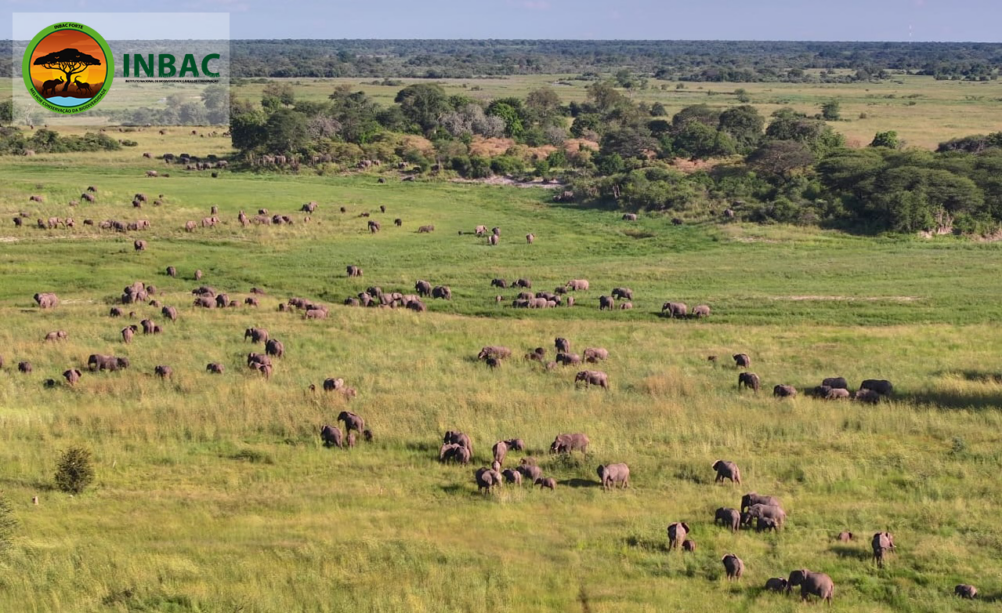
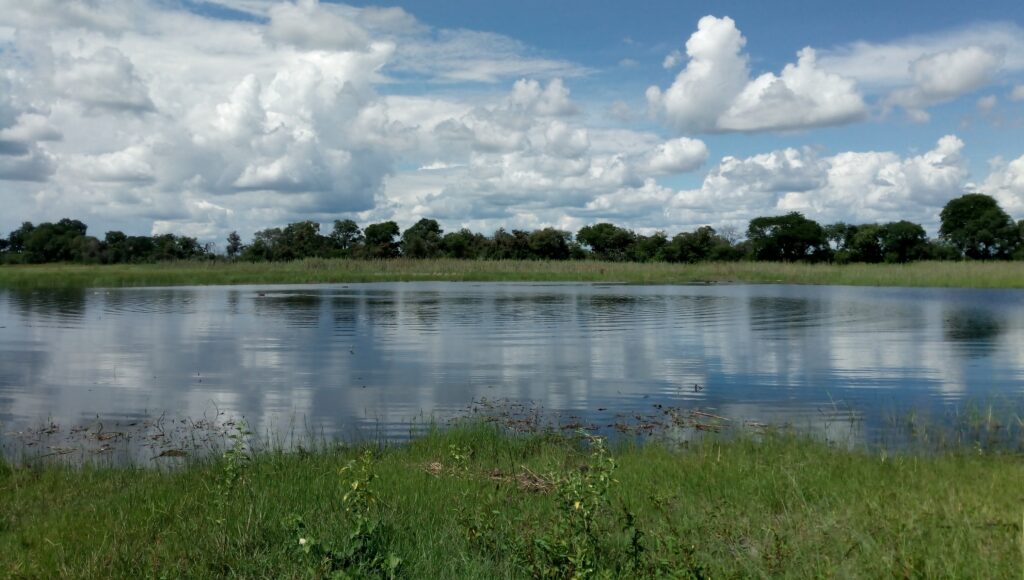
Stretching across 22,732 km² in the heart of the Kavango Zambezi Transfrontier Conservation Area, Luengue–Luiana is a landscape of open woodlands, sweeping savannas and wetlands along the Cuando River. It is home to elephants, lions, wild dogs, giraffes and hippos. The park also harbours several endemic and endangered species, underscoring the importance of its conservation efforts. Once devastated by poaching and landmines during the civil war, the park is now entering an important new phase of recovery.
“Through this agreement, we are partnering with INBAC to develop a long-term management model for Luengue–Luiana National Park that responds to the specific needs of this unique landscape. The partnership aims to build local capacity, foster ownership and support the sustainable financing of this key conservation area,” said Werner Myburgh, CEO of Peace Parks Foundation.
What this phase will focus on
Over the next 24 months, the collaboration will focus on:
- Strategic planning: Developing a business plan and a public-private partnership model to secure long-term sustainability.
- Building capacity: Improving the park’s management, providing operational support, training staff, and creating livelihood opportunities for local communities.
- Feasibility studies: Exploring key management tools to ensure effective governance and transparency.
A joint steering committee will guide implementation, mobilise resources and monitor progress. The agreement emphasises knowledge transfer, good governance and consensus-based decision-making, with funding drawn from diverse sources.
The partnership marks the start of a new phase for Luengue-Luiana – one focused on the long-term protection of ecosystems and shared benefits for communities.
