

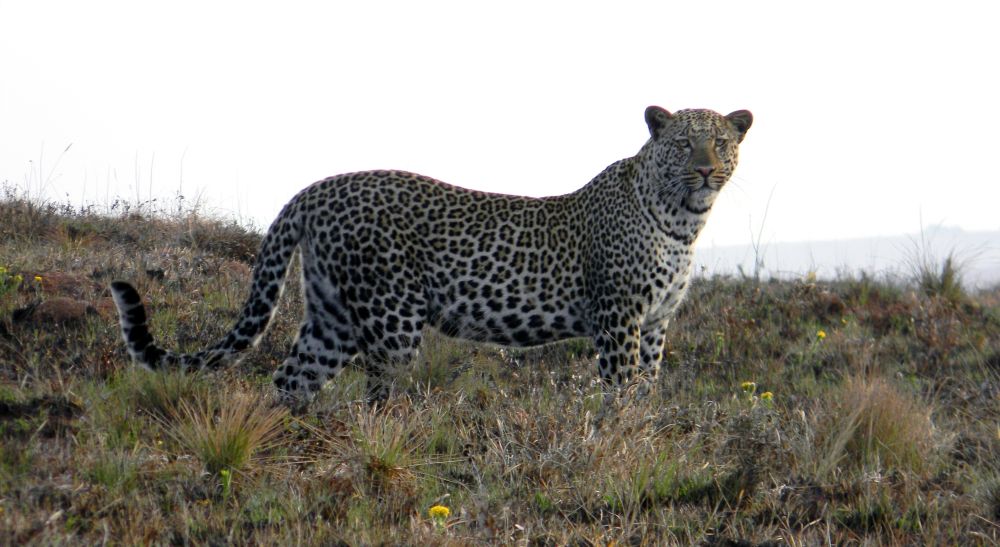
In the Nyika Vwaza landscape, shared governance and long-term planning are offering a durable alternative to short-term conservation funding models.
In Malawi’s Nyika Vwaza landscape, a long-term co-management agreement is aligning government authority, community participation and sustainable financing around the recovery of two nationally important protected areas.
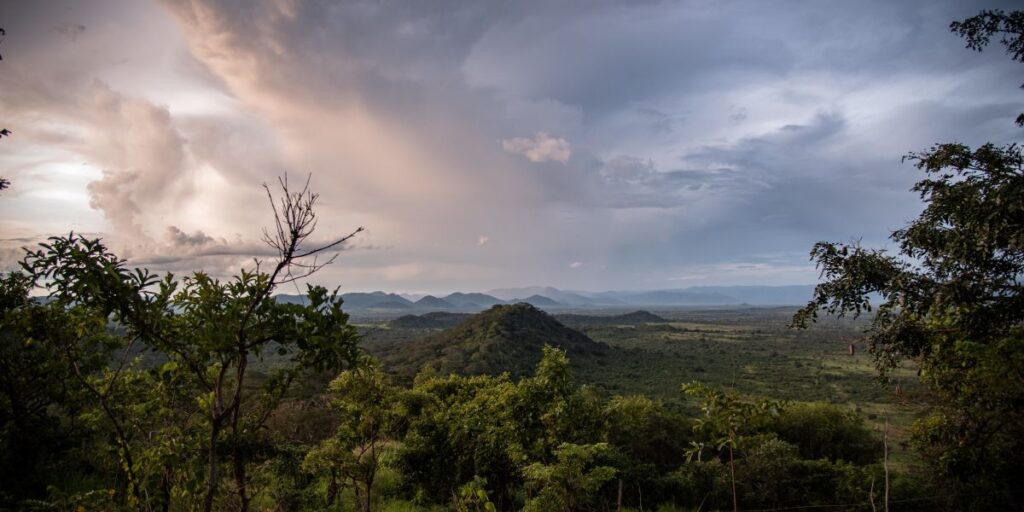
At a time when short-term conservation projects and annual grant cycles remain the norm, Malawi’s Nyika Vwaza landscape – combining over 4,000 km² of state protected areas – is demonstrating a different approach. Restoring nature alongside social and economic resilience takes time, continuity and governance. Once underfunded and facing governance challenges, the Nyika Vwaza landscape now offers clear evidence of what sustained, long-horizon conservation can achieve.
A 20-year pact to rebuild trust and nature
This progress is rooted in a patient, landscape-scale partnership. In 2023, Malawi’s Department of National Parks and Wildlife and Peace Parks Foundation entered into a bold 20-year co-management agreement covering Nyika National Park and Vwaza Marsh Wildlife Reserve. Under this agreement, the Nyika Vwaza Co-management Trust was formed – bringing together representatives from government, business, traditional leadership, local authorities and Peace Parks Foundation.
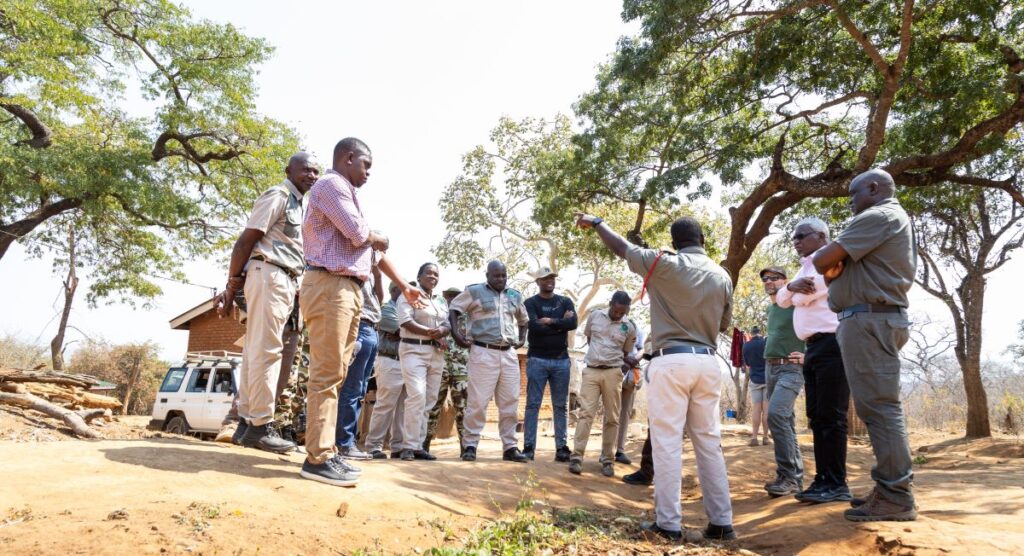
Inside the Nyika Vwaza Co-management Trust
The Trust is registered in Malawi, with a locally anchored board structure that ensures national leadership and accountability. This model blends inclusive governance with private sector efficiency. Its purpose is to align conservation outcomes with community development through transparent governance and sustainable financing.
Crucially, the agreement established a stable governance framework designed to reduce institutional risk and allow investments to compound over time. It formalises inclusive decision-making and aligns stakeholder incentives around park protection, livelihoods and sustainable resource use. The Trust is designed not only to manage Nyika and Vwaza effectively, but to demonstrate how inclusive, locally anchored governance can operate at scale.
From conservation to community benefits
Communities within the landscape are seeing early tangible benefits. A community engagement plan is underway to ensure local voices are heard and their needs addressed. The Trust is partnering with The Hunger Project to introduce development programmes that offer alternative livelihoods such as sustainable agriculture and small-scale enterprises. With ecotourism central to the Trust’s strategy, a business plan is being developed to promote low-impact nature-based tourism while preserving the park’s natural beauty.
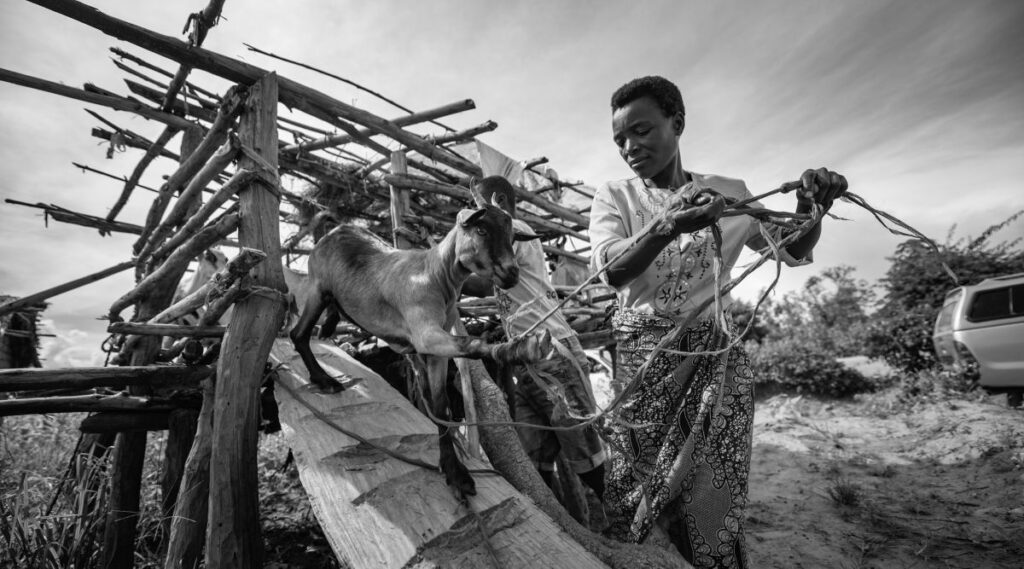
Under a government-approved revenue-sharing scheme, a portion of the park income goes directly to local communities, ensuring they benefit directly from conservation efforts and have a stake in protecting the landscape. This includes taking responsibility for a water supply scheme launched in 2025 with support from the German Government through KfW to provide clean drinking water for the first time to over 18,000 people in the surrounding communities, with further expansion planned.
The Trust is also exploring sustainable revenue streams such as carbon credits, payments for ecosystem services and fair contributions from electricity generation within the park. Nyika stores significant amounts of carbon, and it aims to make sure that value directly supports conservation.
Building a model that can last
While full ecological recovery will take time, the governance architecture now in place significantly improves the prospects for long-term ecological and social resilience. By integrating local leadership, civil society, business and government into a single trust framework, Nyika-Vwaza is setting a new standard for participatory landscape stewardship.
The next phase will require sustained investment – ideally from a mix of philanthropic, public and private finance – to operationalise patrol networks, invest in climate-smart ecotourism and scale community development initiatives. The governance architecture to absorb that investment is now in place.
Three lessons stand out:
First, think long term. A 20-year co-management agreement builds trust, attracts investment and creates institutions that last.
Second, inclusive governance builds legitimacy. Conservation thrives when communities, local leadership, NGOs and business leaders have a seat at the table, because trust, accountability and shared benefits underpin durable protection.
Third, diversify revenue for resilience. Conservation is strongest when it is financially sustainable, through ecotourism and innovative financing mechanisms such as endowments and payment for ecosystem services that create value for both nature and people.
Restoring nature is never a quick fix. It is patient, long-term work. The co-management model shows that recovery is possible when time, trust and shared governance come together. The message is simple: resilience is built through partnerships designed to endure.
