Why Conservation at Scale Matters
Strong protected areas. Connected landscapes.
Protected areas are the anchors of conservation at scale. They safeguard biodiversity and natural assets such as forests, grasslands, wetlands and water catchments. They matter to wildlife and to the people who depend on healthy ecosystems.
Restoring and protecting wildlife across vast landscapes is complex. Reintroducing animals is only one part of the work. Protected areas need healthy habitats, effective protection and the conditions to sustain ecosystems over time.
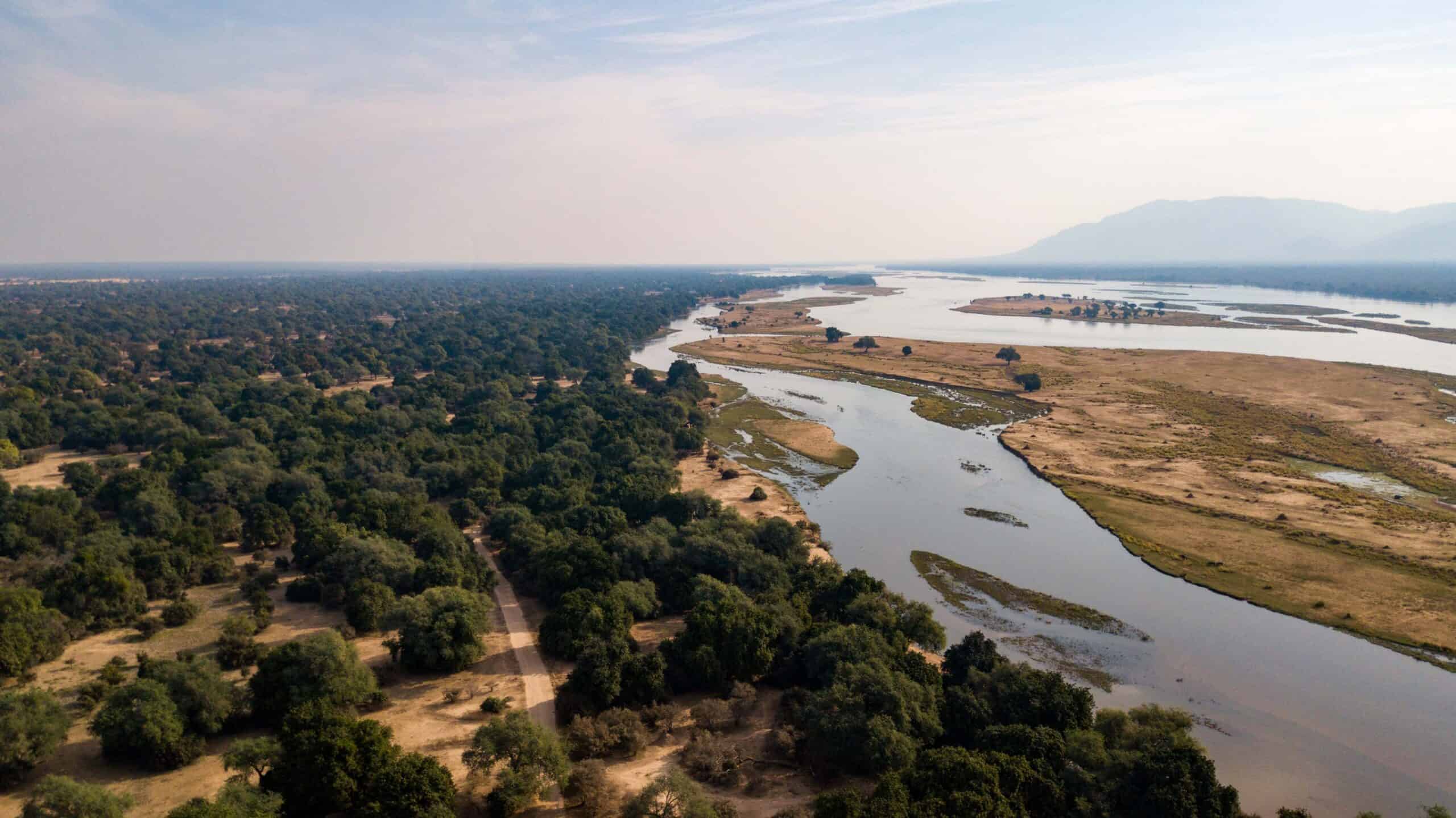
Many protected areas are small or isolated. Their long-term ecological function depends on what happens beyond their boundaries. Rivers, fire regimes, water flows and land use operate across entire landscapes. When habitats are fragmented or the areas between protected areas are degraded, ecological processes can be disrupted and the benefits these systems provide to people and nature can be weakened.
- Connectivity helps link protected areas into functioning landscapes. It supports migration, hydrology, nutrient cycling, pollination and seed dispersal, as well as food security and climate resilience. *
- The global gap is significant. The 2024 Protected Planet Report found that only 8.52% of the world’s terrestrial surface is both protected and connected within protected and conserved area networks. It also found that less than one fifth of the mapped areas important for the five ecosystem services assessed are protected or conserved. **
Climate resilience
Climate change is shifting temperatures and rainfall patterns. Connected landscapes give species more room to move to suitable habitats as conditions change. Well-managed protected areas and restored habitats help ecosystems adapt and continue supporting people and wildlife. * ***
People are part of these landscapes. Long-term conservation depends on effective management of protected areas, planning across surrounding lands and cooperation with local communities.
This requires skilled rangers, reliable ecological data, ongoing monitoring and the ability to respond to threats ranging from wildlife crime to changing environmental conditions.
Each discipline supports the others, and progress depends on sustained investment and effective management over many years.
Across southern Africa, Peace Parks brings these areas of expertise together to help restore ecosystems and secure the long-term future of wildlife and the landscapes people depend on.
Rewilding
Wildlife populations are restored through carefully planned reintroductions and long-term management. As populations recover, animals can be moved to support rewilding efforts. Wildlife recovery is one part of restoring the ecological function of protected areas and the landscapes around them.
Ranger Capacity
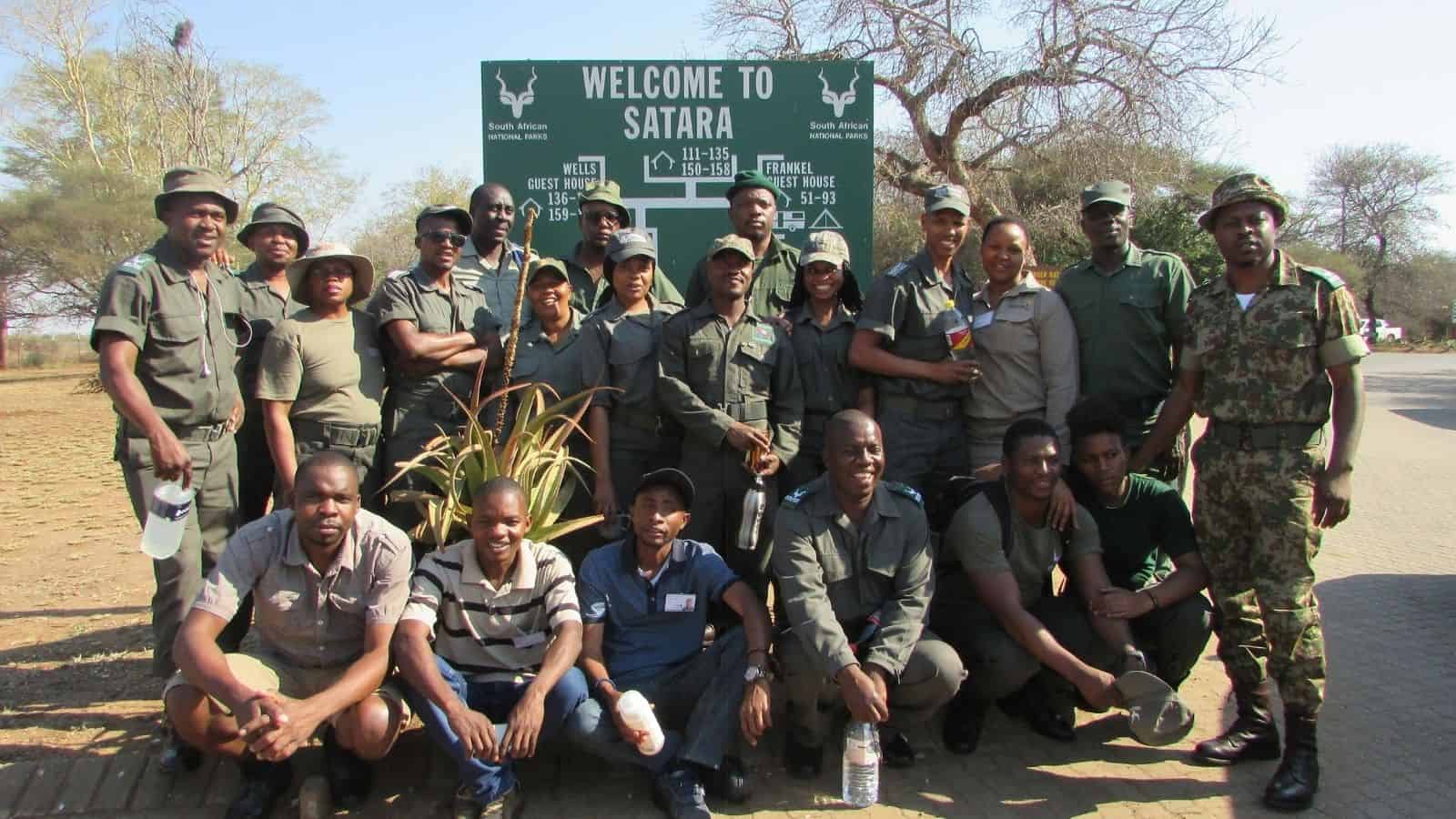
Ranger capacity is strengthened through professional training, leadership development and operational support.
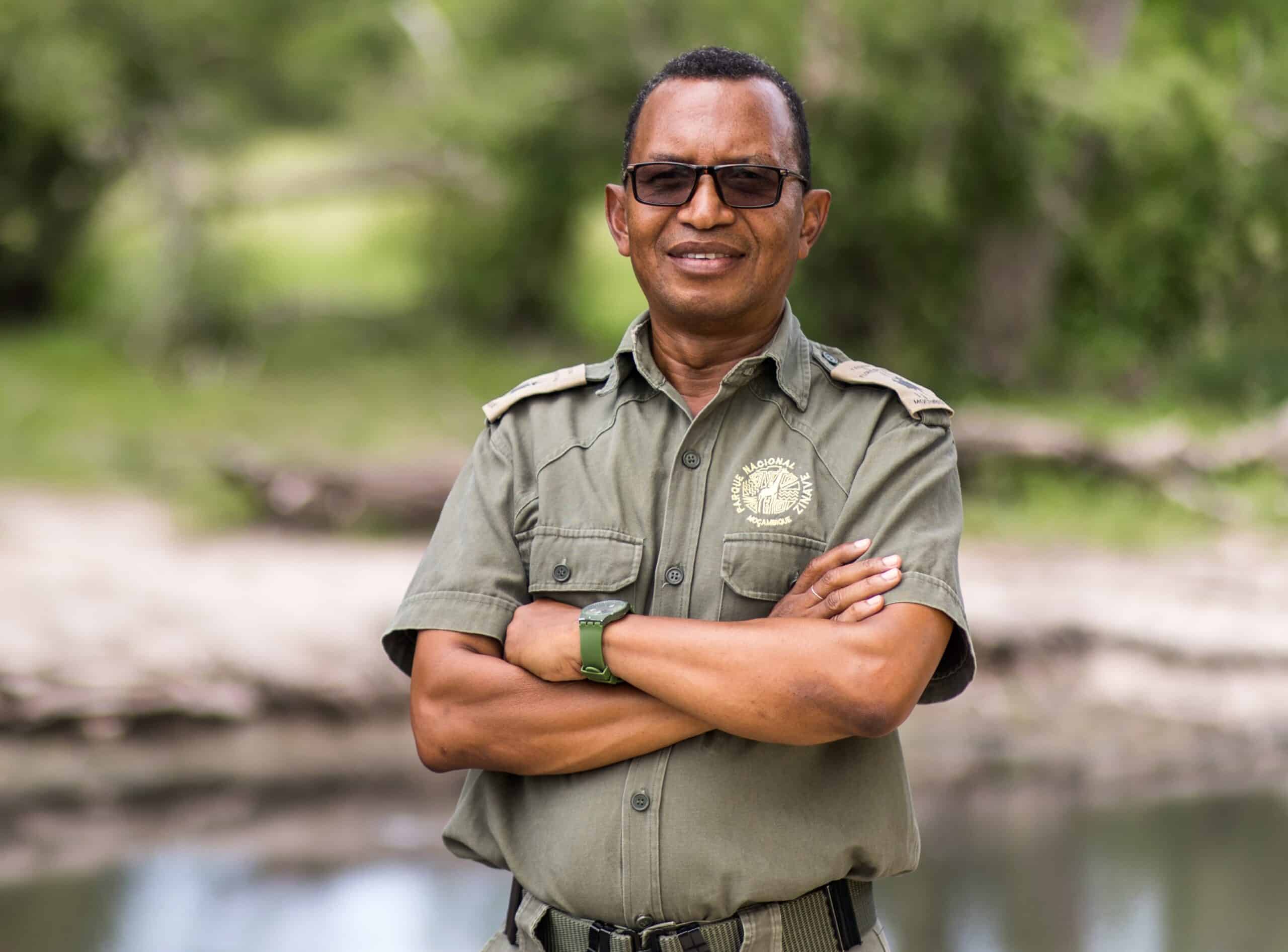
Skilled, supported rangers help protect wildlife, habitats and the natural resources within protected areas. This effective management is essential to the wider landscape.
- Ranger leadership
- Professional development
- Field operations
- Human rights
- Safety and wellbeing
Science & Monitoring
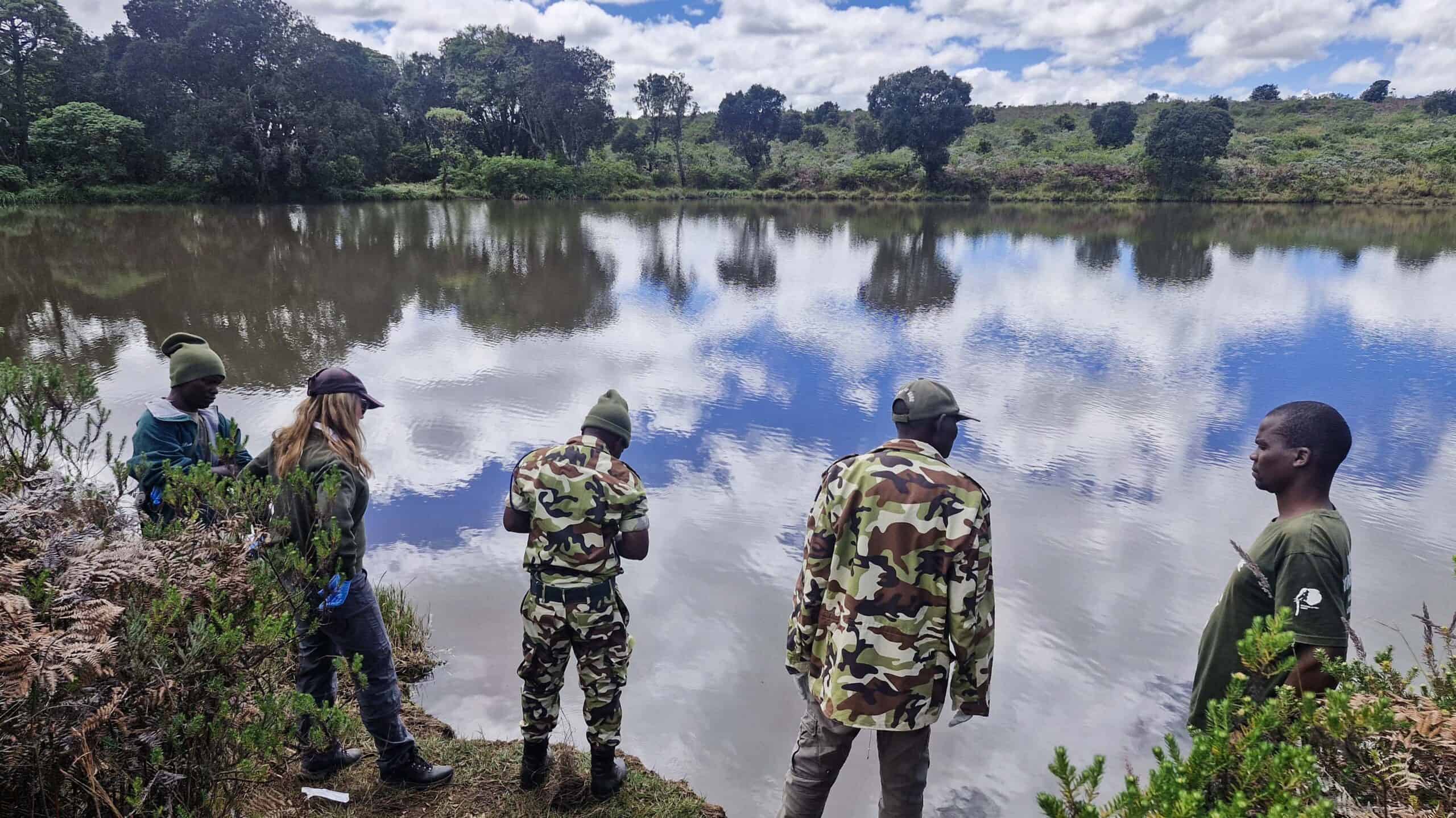
Wildlife surveys, GPS tracking, spatial analysis, ecological assessments and climate monitoring provide the evidence needed to guide management decisions across protected areas and connectedlandscapes. Monitoring also helps managers understand changes in habitats, water systems and climate conditions, and respond as those conditions change.
- Wildlife censuses & species monitoring
- GPS collars and movement data
- GIS, mapping and spatial analysis
- Ecological assessments
- Climate monitoring
- Adaptive management
Combatting Wildlife Crime
Wildlife crime is tackled through intelligence-led law enforcement, cross-border cooperation and strengthened operational capacity.
Effective protection helps maintain the biodiversity and ecological function of protected areas and the wider landscapes around them.
- Intelligence and investigations
- Species monitoring
- Canine units
- Aerial support
- Technology and surveillance
Stories in Action