Home › Transfrontier Conservation Areas › Malawi-Zambia
Malawi-Zambia
Transfrontier Conservation Area
From the high grasslands of Nyika to the miombo woodlands of Kasungu and Lukusuzi
The Malawi-Zambia Transfrontier Conservation Area brings together two distinct conservation systems across 35 216 km²: Nyika-North Luangwa in the north and Kasungu-Lukusuzi further south.
Key Facts
Countries
Area
35 216 km²
Formal establishment
Treaty signed in 2015
Landscape components
Nyika-North Luangwa and Kasungu-Lukusuzi
Peace Parks priority protected areas
Nyika National Park and Vwaza Marsh Wildlife Reserve
Defining natural features
Montane grasslands, highland water sources, wetlands and miombo woodland
History and Establishment
13 August 2004
Shared intent
MoU is signed towards the establishment of the Malawi Zambia Transfrontier Conservation Area (TFCA).
2007
Wildlife recovery begins
The rewilding of Nyika National Park and Vwaza March Wildlife Reserve commences, as joint cross-border anti-poaching efforts in Nyika prove successful.
2011
Investment reaches the field
Extensive funding springboards the launch of various field activities, law enforcement initiatives and infrastructure upgrades.
2011–2025
Long-term support holds the course
KfW provides EUR 26.5m in funding enabling field activities, law enforcement initiatives and infrastructure upgrades.
2015
Political commitment reaches the highest level
Heads of state sign treaty to establish Malawi-Zambia TFCA.
2015
A second landscape component moves forward
The SADC Secretariat approves a three-year project to support the development and management of the Kasungu-Lukusuzi component of the TFCA.
7 July 2015
Two countries unite over one conservation landscape
The presidents sign a treaty that formally establishes the Malawi-Zambia TFCA. The treaty is supported by an integrated management development framework – an extensive and comprehensive five-year plan that guide the work of the TFCA’s management structures.
7 October 2020
Presidential support deepens
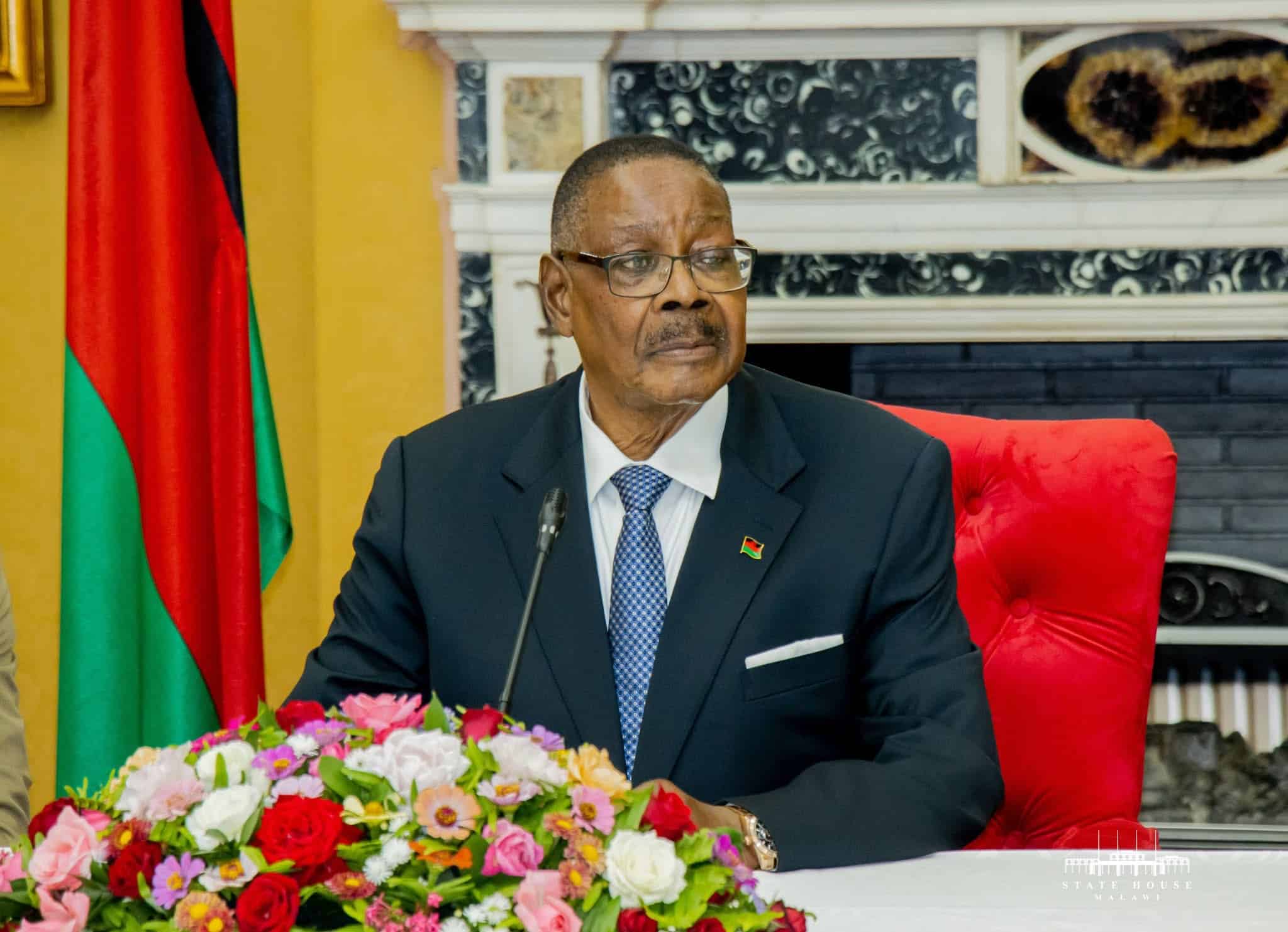
Peace Parks Foundation is pleased to announce that His Excellency President Lazarus McCarthy Chakwera of Malawi has accepted the Foundation’s invitation to become an honorary patron.
20 April 2023
Water begins a new journey
Construction of the Nyika–Vwaza Gravity-Fed Potable Water Supply Scheme was launched. The scheme will benefit more than 18 000 people in Malawi by providing improved access to clean drinking water.
15 July 2025
A long-term model takes hold
Malawi’s Minister of Tourism, The Hon. Vera Kamtukule, and the Chief Executive Officer of Peace Parks Foundation, Mr. Werner Myburgh signed a ground-breaking 20-year co-management agreement to secure the long-term protection and sustainability of two vital ecological havens in Malawi: Nyika National Park and Vwaza Marsh Wildlife Reserve.
2025
Safe water reaches communities
Completion of the first phase of the €4.7 million Nyika-Vwaza Water Scheme providing water to 18 000 people.
Why this landscape matters
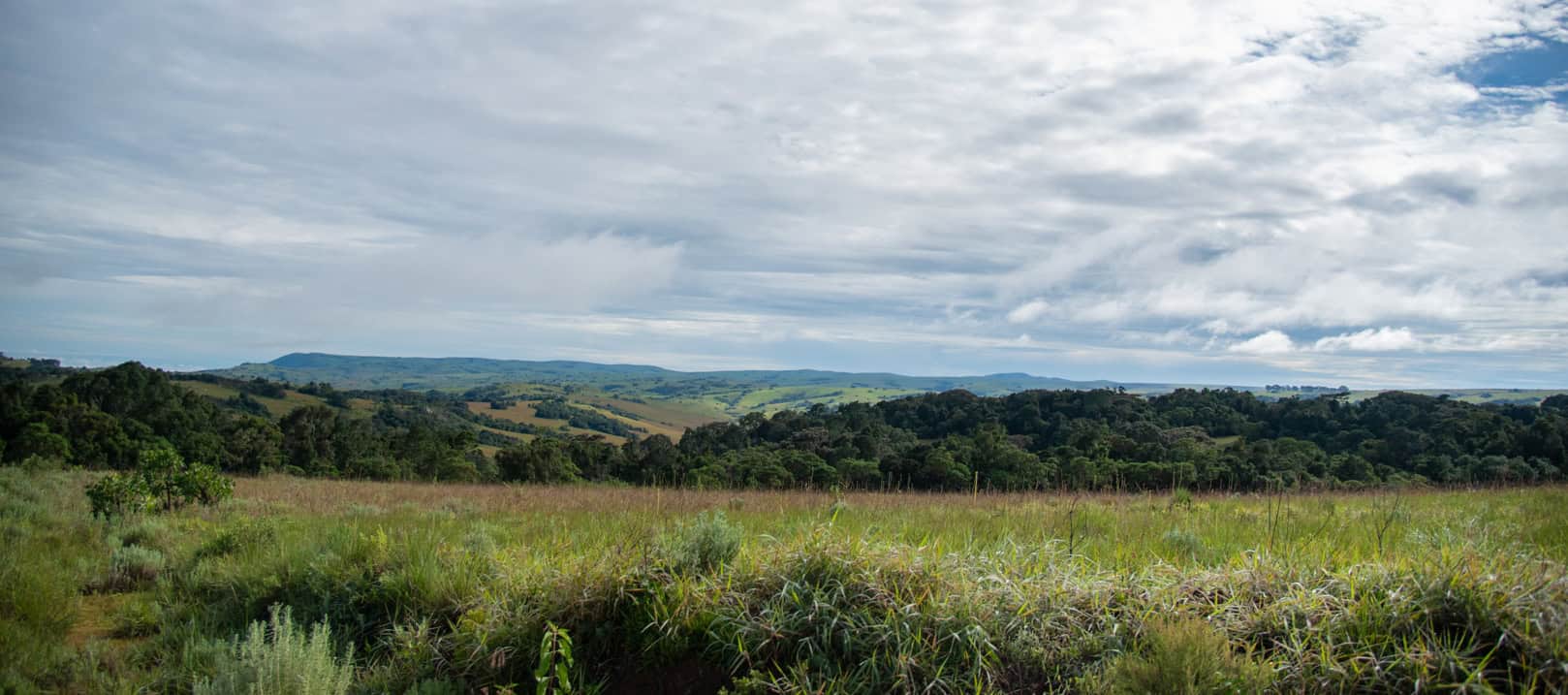
The northern component is centred on the Nyika Plateau, a high montane grassland system rising more than 2 000 metres above the surrounding bushveld and wetlands. Streams flow from the plateau into the forests, marshes and lowlands below, making Nyika important not only for biodiversity but for water security across northern Malawi.
Vwaza Marsh lies below the plateau and combines wetland, woodland and grassland habitats. Together, Nyika and Vwaza form a connected protected-area system supporting wildlife, birdlife and the water resources on which surrounding communities depend.
Further south, Kasungu National Park in Malawi and Lukusuzi National Park in Zambia are separated by a narrow corridor of customary land. Protecting this connection is important for preventing further fragmentation of the Central Zambezian Miombo Woodland Ecoregion.

Peace Parks’ priority protected areas
Nyika-Vwaza Complex, Malawi
Nyika national park is Malawi’s largest national park,. It extends across the rolling grasslands, streams and evergreen forest pockets of the Nyika Plateau. This important biodiversity and water-source feeds Vwaza Marsh, a diverse wetland and woodland reserve with almost 300 recorded bird species and northern Malawi’s largest elephant population.
BEYOND PROTECTED AREA BOUNDARIES
The spaces between protected areas are part of living landscapes, shaped by the people who call them home and by the wildlife that moves through them. Ecological linkages help keep these landscapes connected across boundaries.
Peace Parks in Malawi-Zambia
Peace Parks has supported the development of the transboundary landscape since 2003. The Foundation helped facilitate the agreements and institutional arrangements that led to the treaty signed in 2015 and continues to act as implementing agent for KfW-supported work.
In 2023, the Government of Malawi and Peace Parks signed a 20-year co-management agreement for Nyika National Park and Vwaza Marsh Wildlife Reserve. The agreement creates the foundation for managing the two areas as a single connected conservation system under a dedicated co-management institution.
Work taking place now
- Establishing the Nyika-Vwaza Co-management Trust and the systems required for long-term management
- Strengthening ranger numbers, training, protection and field operations
- Monitoring wildlife populations and the current state of habitats
- Expanding the Nyika-Vwaza Water Scheme beyond the first 18 000 beneficiaries
- Supporting community participation in governance and the management of natural resources
- Maintaining coexistence measures, including solar-powered fencing and community-led responses to human-wildlife conflict
- Restoring connectivity between Kasungu and Lukusuzi