Key Facts
Countries
Mozambique
Area
7 256 km²
Management Model
Protected Area Co-management
Animals Rewilded
418
Community Beneficiaries
5 153
Banhine National Park forms part of the Great Limpopo Transfrontier Conservation Area and plays a strategic role in reconnecting one of southern Africa’s largest conservation landscapes. The first wildlife returned in 2025 after more than 50 years – 385 plains game translocated from Maputo National Park.
Its seasonal wetlands, floodplains and open savannas provide important habitat for wildlife and migratory birds, while creating an ecological bridge between Limpopo and Zinave national parks.
Located in one of Mozambique’s most remote and arid regions, the park faces prolonged drought, limited infrastructure and significant management challenges. Its restoration is therefore important not only for wildlife recovery, but for strengthening climate resilience, improving the management of natural resources and supporting neighbouring communities whose livelihoods depend on the wider landscape.
As wildlife populations recover, Banhine has the potential to restore movement across the Great Limpopo landscape, linking Limpopo and Zinave and, over time, strengthening connectivity towards Gonarezhou National Park.

Focus Areas
Our focus areas below reflect some of the long-term work underway in Banhine National Park.
Rewilding
Rebuilding wildlife populations and restoring ecological function across the park. In 2025, the park’s first rewilding phase began with the introduction of impala, waterbuck, reedbuck, wildebeest and zebra from Maputo National Park, marking the start of a long-term ecological recovery programme.
Wetland Conservation
Safeguarding the seasonal floodplains that transform Banhine into a significant birding and wetland landscape. When summer rains arrive, shallow depressions fill to create vast lagoons and temporary wetlands that provide habitat for migratory birds and other wildlife, earning the park its reputation as Mozambique’s mini-Okavango.
Community Resilience
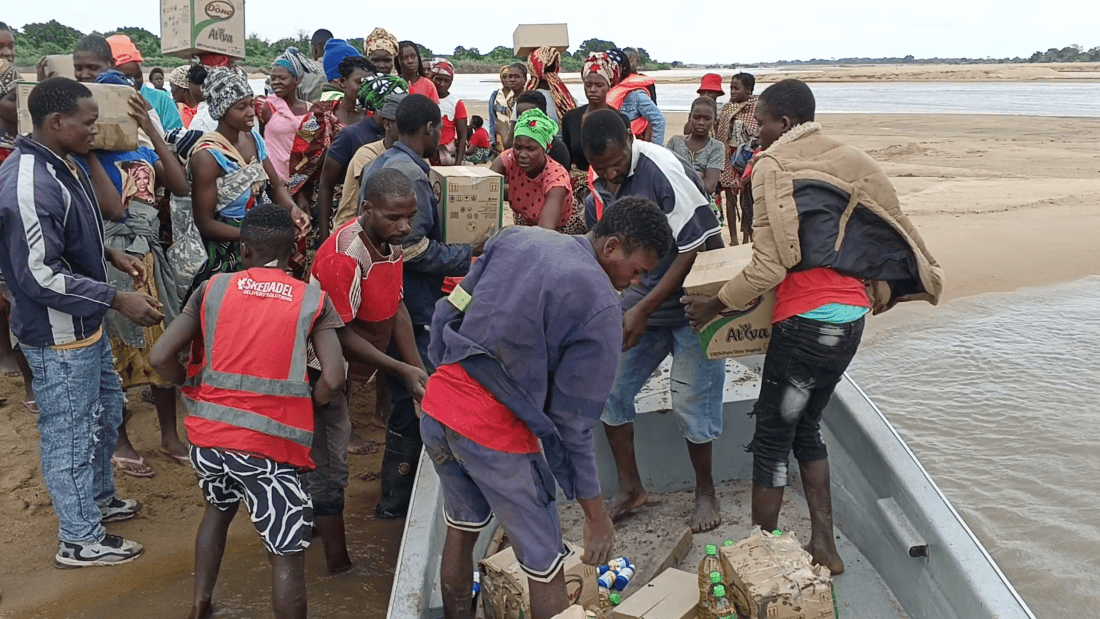
Supporting sustainable livelihoods and natural resource management in neighbouring communities. In 2025, community governance structures were established and neighbouring communities received the first symbolic distribution of their statutory share of park revenue.
Protected Area Management
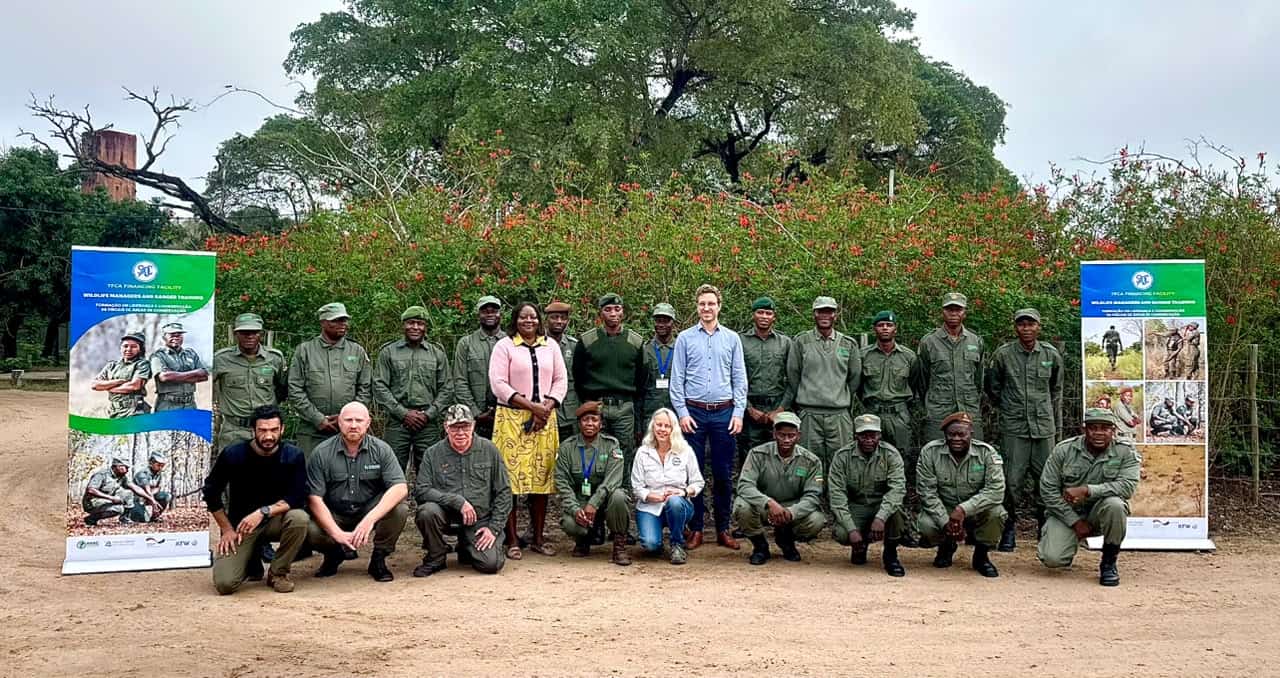
Strengthening governance, infrastructure and management capacity for long-term conservation. Recent investments include upgraded ranger facilities, expanded radio coverage, strengthened law enforcement capacity and implementation of the park’s approved management plan.
Herding for Health
Improving rangeland management and livestock productivity while reducing pressure on natural resources. The programme promotes sustainable grazing practices, strengthens livestock management and reduces pressure on natural resources in communities surrounding the park.
Stories from Banhine
our partners and donors
Conservation at this scale cannot be done alone.
Long-term conservation depends on partners prepared to invest in the future of these landscapes through funding, expertise, technology and long-term commitment.