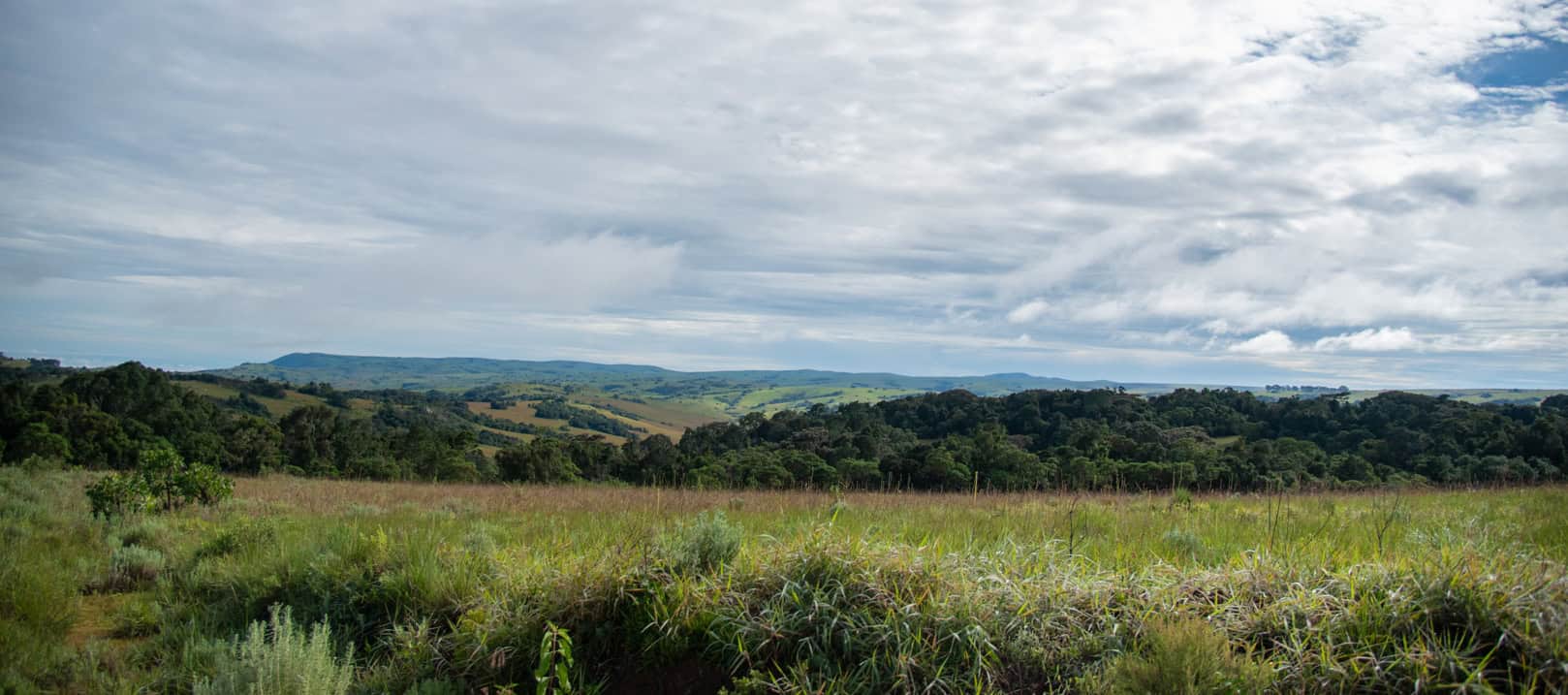
The Nyika-Vwaza Complex forms the ecological backbone of the Malawi-Zambia Transfrontier Conservation Area. Together, Nyika National Park and Vwaza Marsh Wildlife Reserve protect one of Malawi’s most important natural landscapes, safeguarding montane grasslands, forests and wetlands that contribute an estimated 10% of the annual freshwater flowing into Lake Malawi, supporting around 10 million people through food, income and livelihoods.
The landscape is recognised for its exceptional biodiversity, supporting species and habitats found nowhere else in Malawi while providing vital water resources, tourism opportunities and livelihoods for surrounding communities. Protecting these natural assets is critical not only for conservation, but for Malawi’s long-term environmental and economic resilience.
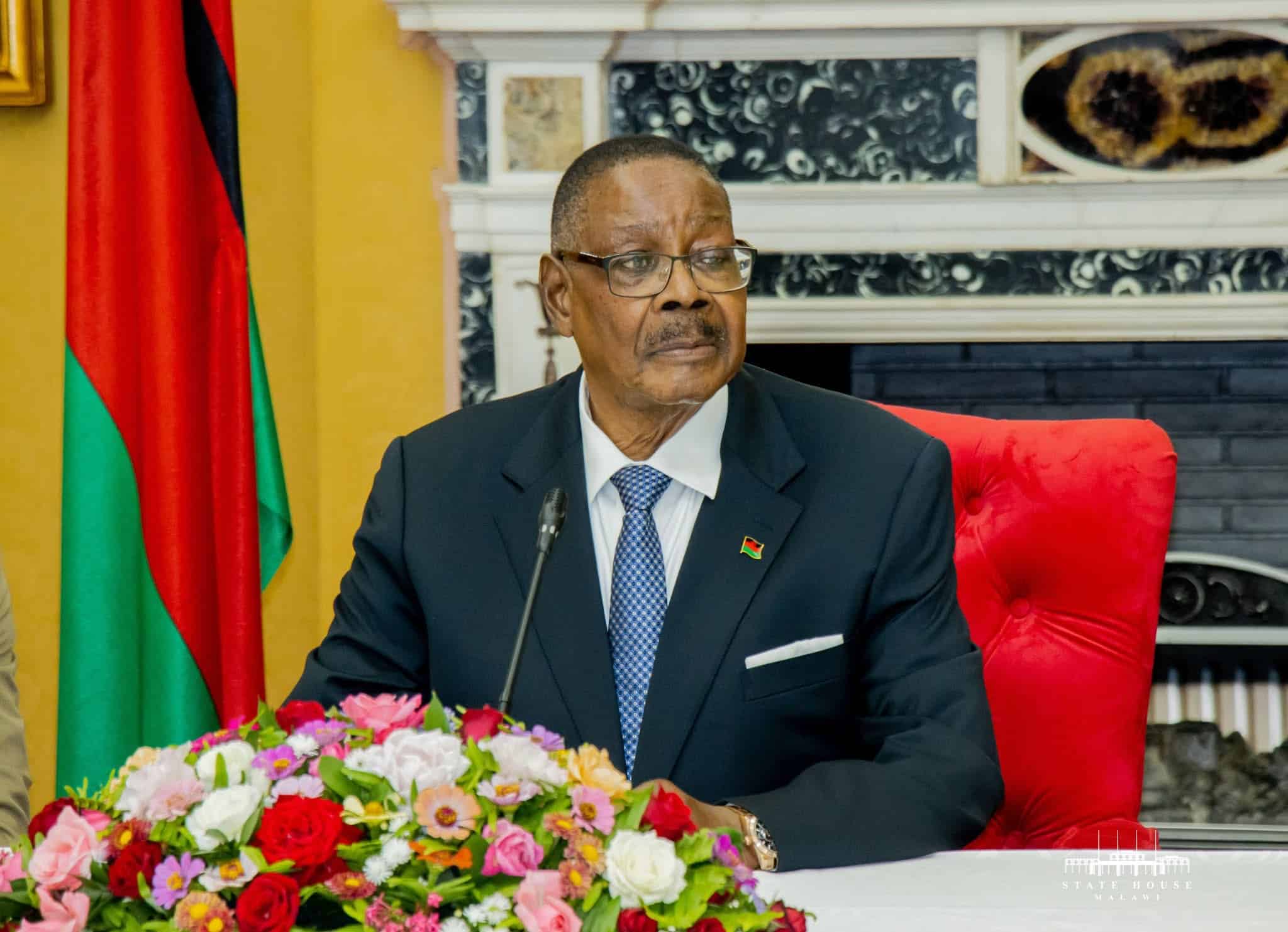
In 2025, the Government of Malawi and Peace Parks established the Nyika-Vwaza Co-management Trust, creating a long-term governance and management model for the landscape. By managing Nyika National Park and Vwaza Marsh Wildlife Reserve as one connected landscape, the Trust is building the institutions, partnerships and sustainable financing needed to ensure the landscape endures for generations to come.