Why Conservation at Scale Matters
Strong protected areas. Connected landscapes.
Restoring and protecting wildlife across vast landscapes is complex. Reintroducing animals is only one part of the work. They need healthy habitats, effective protection and the conditions to establish viable populations over time.
This requires skilled rangers, reliable ecological data, ongoing monitoring and the ability to respond to threats ranging from wildlife crime to changing environmental conditions.
Each discipline supports the others, and progress depends on sustained investment and effective management over many years.
Across southern Africa, Peace Parks brings these areas of expertise together to help restore ecosystems and secure the long-term future of wildlife and the landscapes they depend on.
Rewilding
Wildlife populations are restored through carefully planned reintroductions and long-term management. As populations recover, animals can also be moved to support rewilding elsewhere.
Ranger Capacity
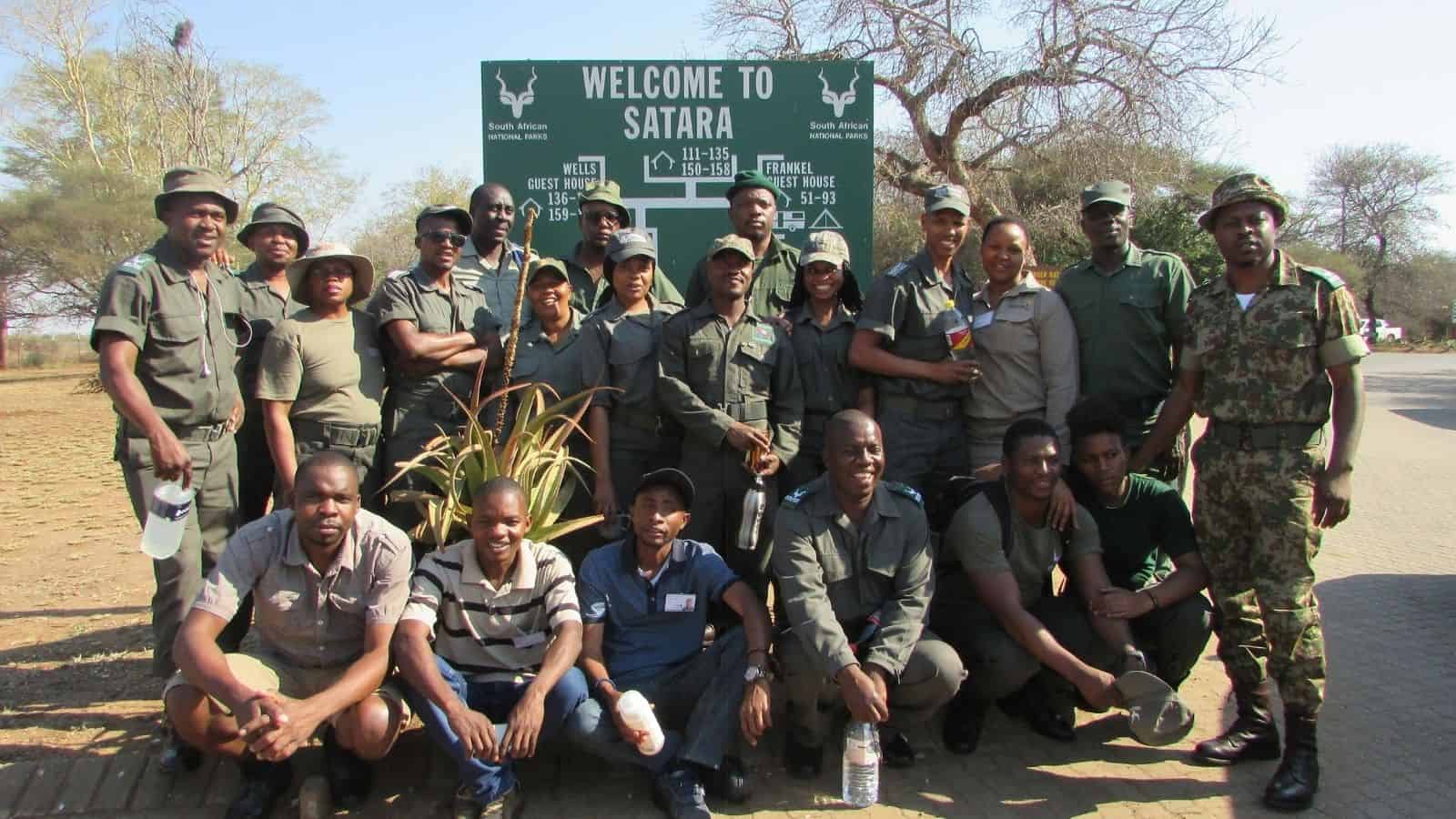
Ranger capacity is strengthened through professional training, leadership development and operational support.
- Ranger leadership
- Professional development
- Field operations
- Human rights
- Safety and wellbeing
Science & Monitoring
Wildlife surveys, GPS tracking, spatial analysis, ecological assessments and climate monitoring provide the evidence needed to guide management decisions across protected areas and connected landscapes.
- Wildlife censuses
- Species monitoring
- GPS collars and movement data
- GIS, mapping and spatial analysis
- Ecological assessments
- Climate monitoring
- Adaptive management
Combatting Wildlife Crime
Wildlife crime is tackled through intelligence-led law enforcement, cross-border cooperation and strengthened operational capacity.
- Intelligence and investigations
- Species monitoring
- Canine units
- Aerial support
- Technology and surveillance
Stories in Action