Maputo National Park

Key Facts

Countries

Mozambique

Area

1 794 km²

Management Model

Protected Area Co-management

Animals Rewilded

5 388

Community Beneficiaries

33 270

A UNESCO World Heritage Site where land, freshwater and ocean meet.

From fewer than 1 000 animals to more than 32 800 today, Maputo National Park is one of southern Africa’s most remarkable rewilding success stories. Since 2010, more than 5 388 animals representing 16 species have been reintroduced, transforming the park into a thriving wildlife landscape and a source population for restoration efforts across Mozambique.

Maputo National Park is one of Africa’s most important coastal protected areas and the ecological heart of the Lubombo Transfrontier Conservation Area. Recognised as a UNESCO World Heritage Site in 2025, the park protects an extraordinary diversity of ecosystems, from coastal dunes, wetlands and inland lakes to forests, grasslands and the Indian Ocean.

Located along Mozambique’s southern coastline, the park provides a vital ecological link between terrestrial and marine environments while supporting one of the country’s richest concentrations of biodiversity. Its diverse habitats sustain globally important wildlife populations, protect critical water resources and underpin nature-based tourism that benefits neighbouring communities.

Over nearly two decades of partnership, Maputo National Park has become one of southern Africa’s leading conservation success stories. Long-term co-management has restored wildlife populations, strengthened protected area management and helped secure international recognition for one of the continent’s most remarkable natural landscapes.

Management Partners
Maputo 1

Focus Areas

Our focus areas below reflect some of the long-term work underway in Maputo National Park.

Maputo coastline

Coastal & Marine Conservation

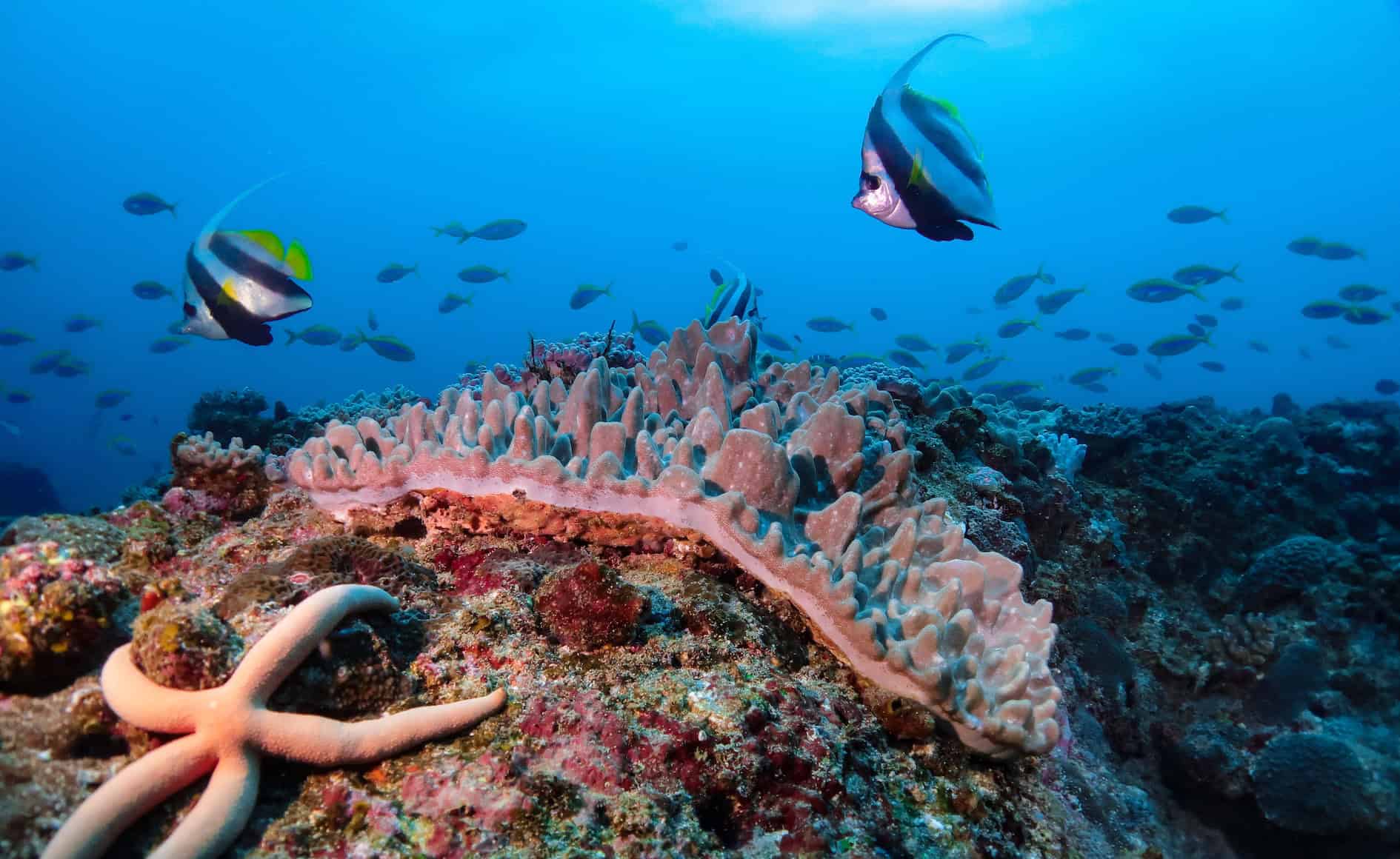
Protecting dunes, estuaries, wetlands and marine habitats that support exceptional biodiversity.

Page Maputo National Park Topic Human wildlife coexistance

Human-Wildlife Coexistence

Reducing conflict between people and wildlife through innovative infrastructure and community partnerships.

Local planting roots in wetlands

Community Development

Supporting livelihoods, natural resource management and economic opportunities for neighbouring communities. More than 7 000 households are supported through community-focused initiatives linked to conservation and natural resource management.

Maputo National Park border fences

Protected Area Management

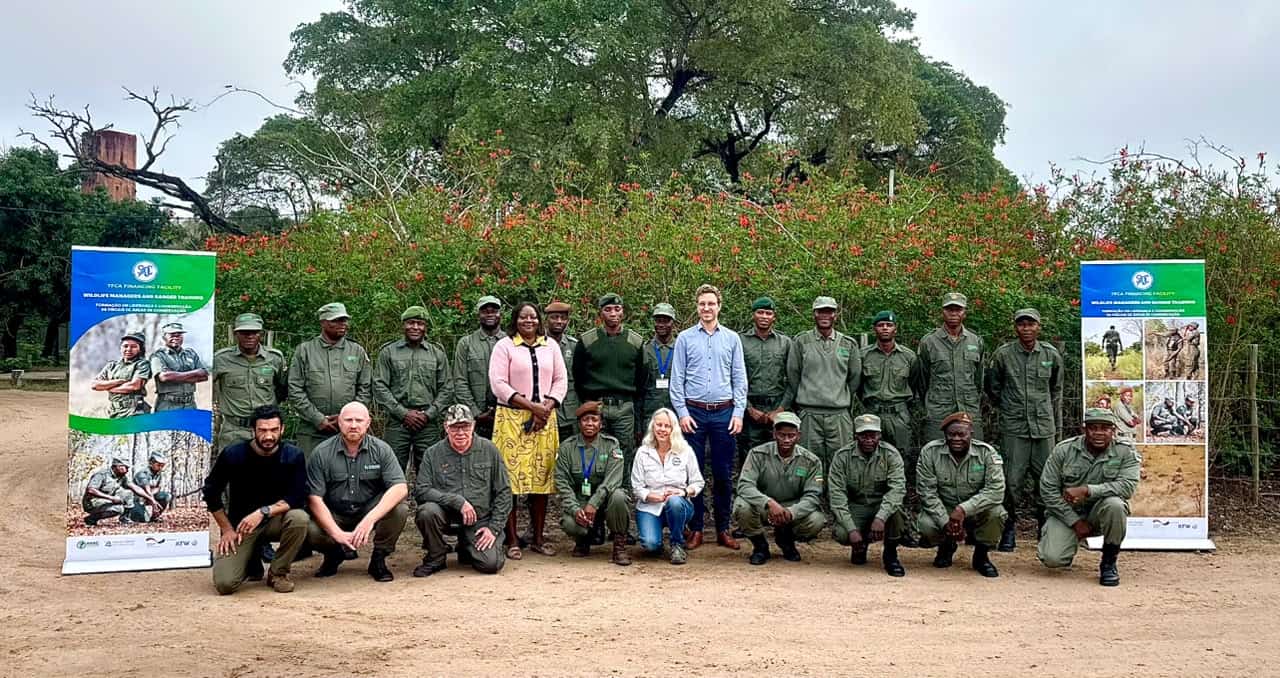
Strengthening governance, infrastructure and operational capacity to ensure long-term conservation.

our partners and donors

National Administration for Conservation Areas
Blue Action Fund
Camões — Institute for Cooperation and Language
Centro Terra Viva
Deutsche Gesellschaft für Internationale Zusammenarbeit
Eugene Akrakoff
Fondation Ensemble
Fondation Prince Albert II de Monaco
Biofund
Hansjörg Wyss
Mozambique Wildlife Alliance
Mozbio
Reinet Foundation
SADC TFCA FF
stichting de boomgard
Tui Care Foundation
Tusk Trust

Conservation at this scale cannot be done alone.

Long-term conservation depends on partners prepared to invest in the future of these landscapes through funding, expertise, technology and long-term commitment.

SEARCH ALL POSTS