Home › Transfrontier Conservation Areas › Great Limpopo
Great Limpopo
Transfrontier Conservation Area
One of southern Africa’s most ambitious conservation recovery landscapes
Great Limpopo links major protected areas across Mozambique, South Africa and Zimbabwe. At its centre is the 35 000 km² Great Limpopo Transfrontier Park, connecting Limpopo, Kruger and Gonarezhou national parks. The wider conservation area extends across almost 100 000 km² and includes Banhine and Zinave national parks, adjoining conservation land and the ecological connections between them.
More than 850 animal and 2 000 plant species have been recorded within the transfrontier park.
Key Facts
Countries
Mozambique, South Africa and Zimbabwe
Area
Almost 100 000 km²
Core Transfrontier Park
35 000 km²
Treaty
Signed in 2002
Peace Parks priority protected areas
Limpopo, Banhine and Zinave national parks
History and Establishment
1926
The foundations are laid
Kruger National Park is proclaimed in South Africa.
1972
Protection expands in Mozambique
In Mozambique, the status of Banhine and Zinave are changed from hunting areas to National Parks.
1975
A third anchor enters the landscape
Gonarezhou National Park is proclaimed in Zimbabwe.
May 1990
A border becomes a possibility
Dr Anton Rupert, then President of WWF South Africa, and Mozambique’s President Joaquim Chissano discuss joining protected areas across the two countries’ borders.
May 1996
The conversation moves forward
Dr Anton Rupert and Mozambique’s President Joaquim Chissano meet again.
June 1996
The vision expands
Following a feasibility study, the World Bank report recommends a shift towards a transfrontier conservation area (TFCA) approach.
August 1996
A regional ambition emerges
At a first Transfrontier Park Initiative meeting in the Kruger National Park it is agreed that South Africa, Mozambique, Zimbabwe and Swaziland, should cooperate to realise the economic benefits of TFCAs.
1 February 1997
An institution for the idea
Peace Parks Foundation is established.
10 November 2000
Intent becomes agreement
The signing of the Skukuza agreement signalled the three nations’ intent to establish and develop a transfrontier park and surrounding conservation area that, at that time, was called Gaza-Kruger-Gonarezhou.
2001
Changing course
Limpopo National Park is converted from a hunting concession to a protected area.
2002
The core landscape takes shape
Treaty signed in Xai-Xai, Mozambique, formally establishing the Great Limpopo Transfrontier Park – a core area within the broader TFCA.
9 December 2002
Three countries commit
The heads of state of Mozambique, South Africa and Zimbabwe sign an international treaty at Xai-Xai, Mozambique to establish the Great Limpopo Transfrontier Park.
16 August 2006
The border opens to visitors
The Giriyondo Access Facility is opened, allowing visitors to the Great Limpopo Transfrontier Park cross-border access within the perimeters of the park for the first time.
April 2014
A shared threat draws a joint response
Mozambique and South Africa sign a memorandum of understanding (MoU) on biodiversity conservation and management, with a view to addressing the scourge of rhino poaching in Great Limpopo.
22 September 2015
Restoration gains a long-term footing
Peace Parks Foundation signs an agreement with Mozambique’s National Administration for Conservation Areas (ANAC) to co-manage Zinave National Park.
22 February 2017
The landscape makes room for private land
Mozambique’s ANAC and Licoturismo signed a memorandum of understanding to formally establish the Greater Libombos Conservancy – the first privately owned area to be included as part of the Great Limpopo Transfrontier Conservation Area.
July 2018
Another anchor moves into focus
Peace Parks Foundation signs an agreement with Mozambique’s National Administration for Conservation Areas to collaborate on the joint management and development of Banhine National Park.
August 2023
A lost species returns
Black and White Rhino are successfully re-introduced to Zinave National Park from South Africa, expanding the range of these iconic african animals.
September 2024
National support is reinforced
Peace Parks Foundation is honoured to welcome the President of South Africa, His Excellency Cyril Ramaphosa, as its newest Patron. In graciously accepting the invitation from Peace Parks, President Ramaphosa has voiced steadfast support for the Foundation’s extensive conservation and community development work in the country.
Why this landscape matters
Great Limpopo was one of southern Africa’s first formally established peace parks. Its significance lies not only in joining famous protected areas across three countries, but in restoring the wider system around them. The three Mozambican national parks supported by Peace Parks cover more than 2.2 million hectares. Limpopo borders Kruger.
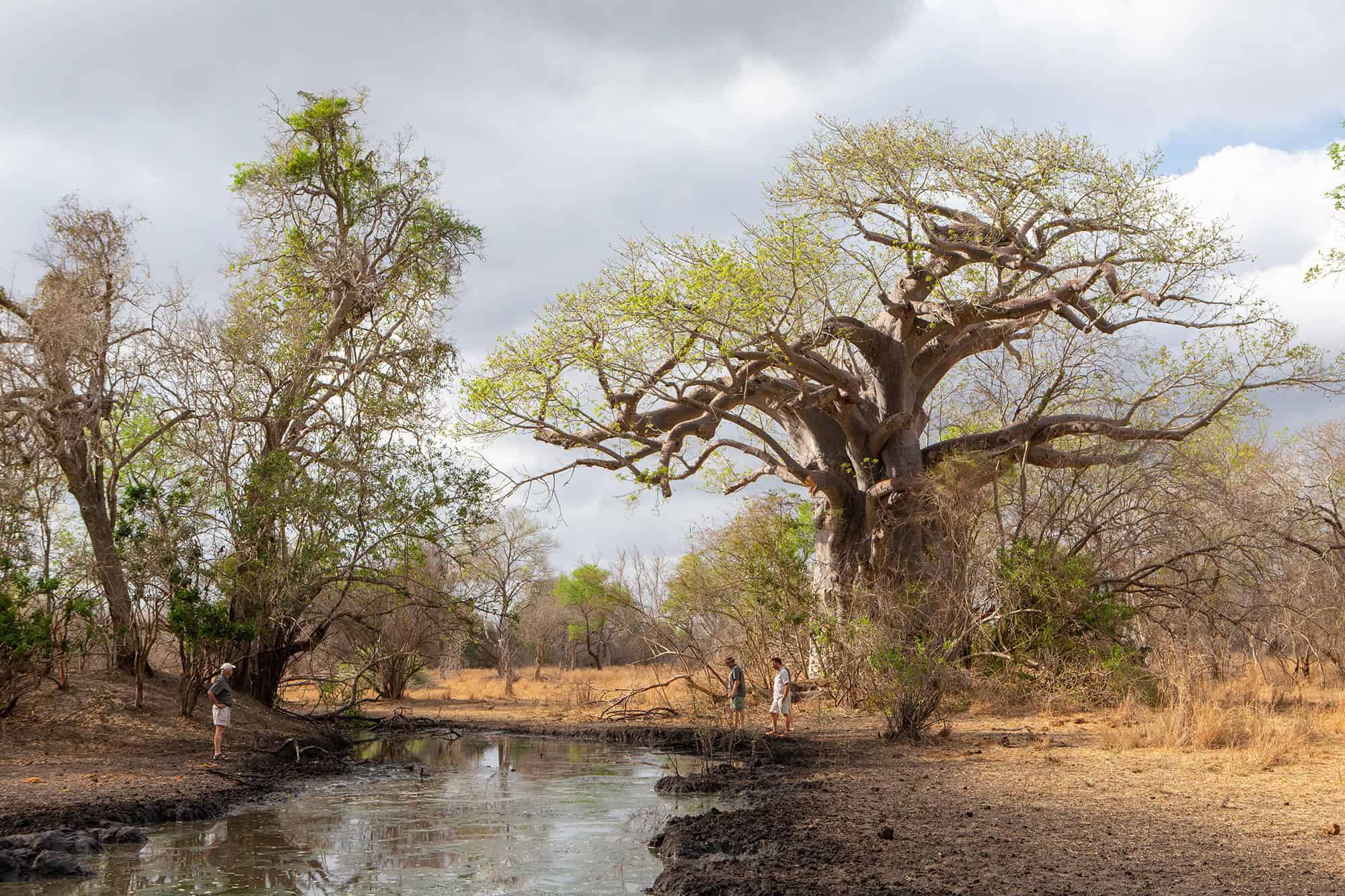
Banhine lies at the centre of an ancient wildlife movement route extending northwards from Kruger and Limpopo. Zinave helps carry that system towards Gonarezhou and the Save River landscape.
Together, the parks protect rivers, wetlands, dry savanna and the space required for wildlife populations to recover and move.
The landscape also demonstrates what becomes possible when long-term protected-area management is combined with cross-border planning. Rewilding in one park can eventually support recovery elsewhere, while stronger corridors allow the benefits of restoration to extend beyond individual boundaries.

Peace Parks’ priority protected areas
Limpopo National Park
Mozambique’s largest national park and an integral part of the Great Limpopo Transfrontier Park. Its shared boundary with Kruger creates one of the landscape’s most important cross-border conservation connections.
Banhine National Park
A vast wetland and savanna system occupying a central position in the historic wildlife corridor between Limpopo and Zinave. After decades of disruption, wildlife was returned to Banhine in 2025.
Zinave National Park
A major conservation recovery story. Long-term rewilding has re-established Zinave as Mozambique’s first Big Five national park, with a growing founder population of black and white rhino.
BEYOND PROTECTED AREA BOUNDARIES
The spaces between protected areas are part of living landscapes, shaped by the people who call them home and by the wildlife that moves through them. Ecological linkages help keep these landscapes connected across boundaries.
Peace Parks in Great Limpopo
Peace Parks has supported Great Limpopo since 1998. Our role has evolved from helping establish the transfrontier framework to taking long-term management responsibility with Mozambique’s National Administration for Conservation Areas in Limpopo, Banhine and Zinave national parks.
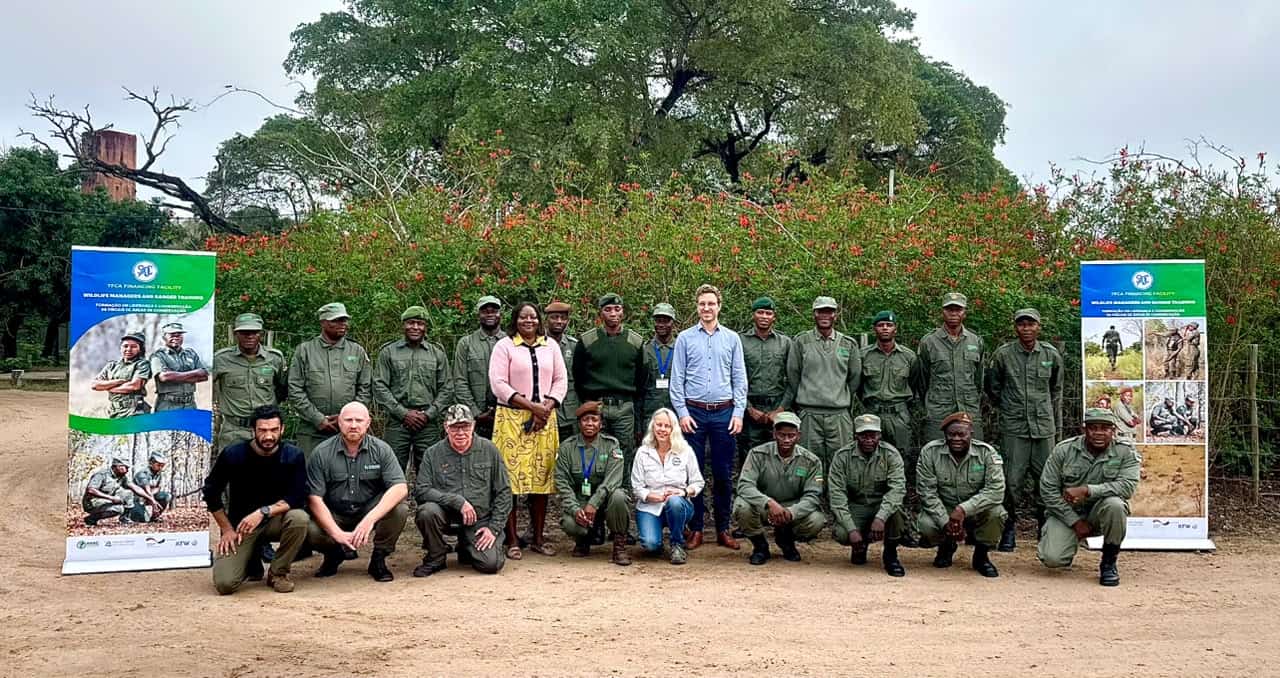
This work brings together protected-area operations, ranger capacity, infrastructure, rewilding, science, community programmes and long-term finance across the three parks, while continuing to support cooperation at the wider landscape level.
Work taking place now
- Building on Zinave's recovery through continued wildlife management, rhino protection and tourism development
- Restoring wildlife populations and operational capacity in Banhine
- Securing the ecological corridors linking Mozambique's three national parks
- Strengthening management and protection in Limpopo National Park
- Supporting joint planning, law enforcement and conservation management across the three countries
Latest stories
Publications & Resources
our partners and donors