Lubombo
Transfrontier Conservation Area

Where reefs, wetlands, forests and elephant country meet

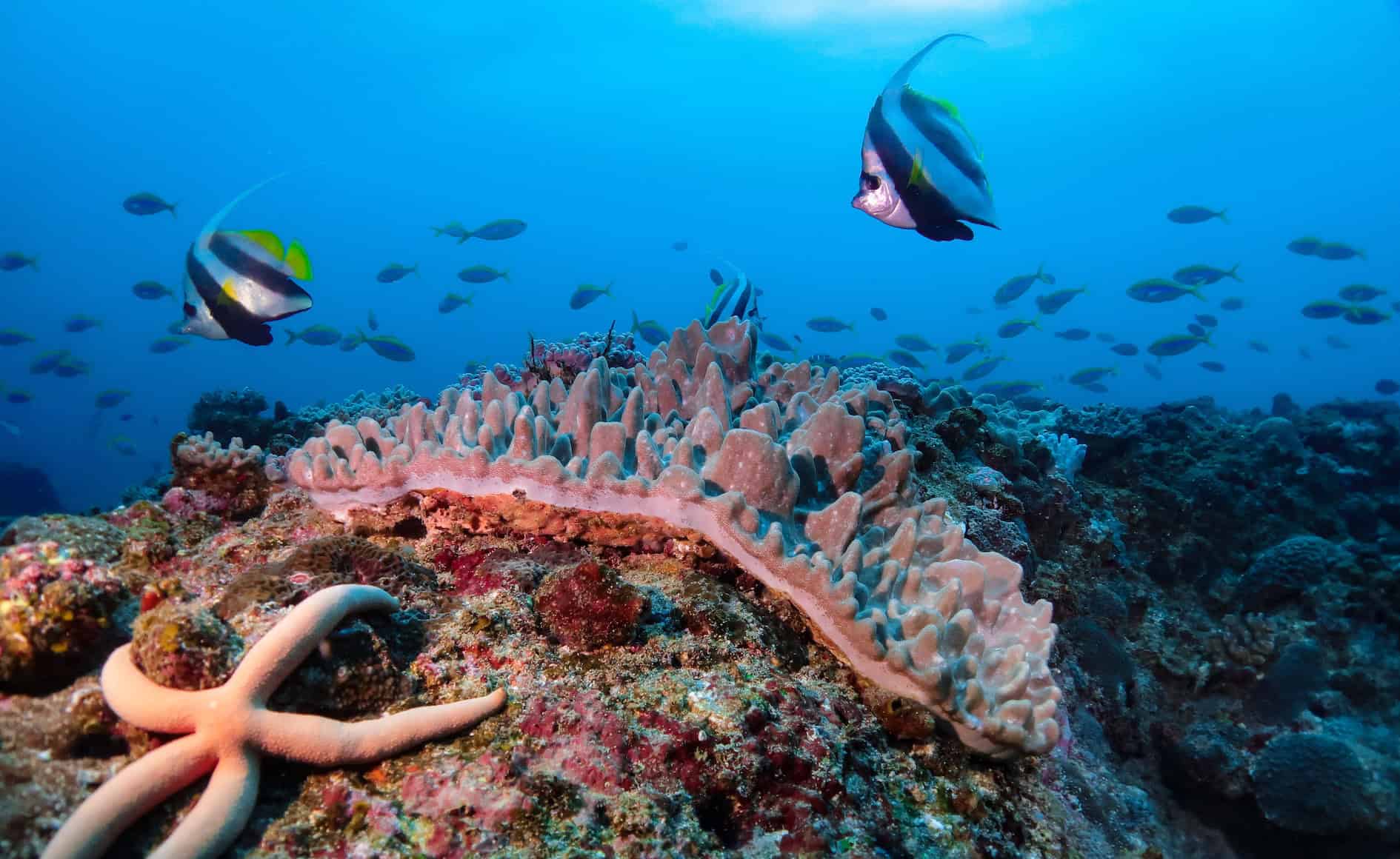
Lubombo connects marine, coastal and terrestrial protected areas across Mozambique, South Africa and eSwatini. Across a relatively compact landscape, coral reefs, turtle-nesting beaches, coastal lakes, wetlands, forests, grasslands and elephant habitat form one connected conservation system.

Key Facts

Countries

Mozambique, South Africa and eSwatini

Area

11 236 km²

Formal establishment

Protocols signed in 2000

Defining natural features

Coral reefs, coastal lakes, wetlands, forests, grasslands and the Lubombo Mountains

Peace Parks priority protected areas

Maputo National Park, Tembe Elephant Park and Ndumo Game Reserve

History and Establishment

Why this landscape matters

Lubombo lies within the Maputaland Centre of Endemism, one of the region’s richest areas of biological diversity. It includes five Ramsar wetlands and some of southern Africa’s most important coastal and marine habitats.

At its eastern edge, the marine component of Maputo National Park extends southwards towards iSimangaliso Wetland Park, creating a rare cross-border connection between protected reefs, beaches, estuaries and coastal waters.

Inland, the Futi Corridor links Maputo National Park with Tembe Elephant Park. Before Mozambique’s civil war, elephants moved across this border. The corridor now protects the land required to maintain and potentially restore that connection.

Lubombo therefore brings together two kinds of connection seldom found in one landscape: a transboundary marine system and an inland route for one of Africa’s most important elephant populations.

Peace Parks’ priority protected areas

Maputo National Park, Mozambique

Maputo National Park protects 1 794 km² of coral reefs, seagrass beds, mangroves, wetlands, freshwater lakes, coastal dunes, savanna and swamp forest. Once depleted by conflict, the park has undergone a major ecological recovery. Thousands of animals have been reintroduced, tourism has returned and, in July 2025, it became Mozambique’s first natural World Heritage Site.

Tembe Elephant Park, South Africa

A community-owned protected area in northern KwaZulu-Natal and a core part of the Usuthu-Tembe-Futi component of Lubombo. Tembe protects an important population of large-tusked elephants and anchors the South African side of the connection with Maputo National Park.

Ndumo Game Reserve, South Africa

A floodplain and wetland reserve recognised internationally for its ecological value and exceptional birdlife. Ndumo forms part of the wider Usuthu-Tembe-Futi system alongside Tembe and Maputo National Park.

Peace Parks in Lubombo

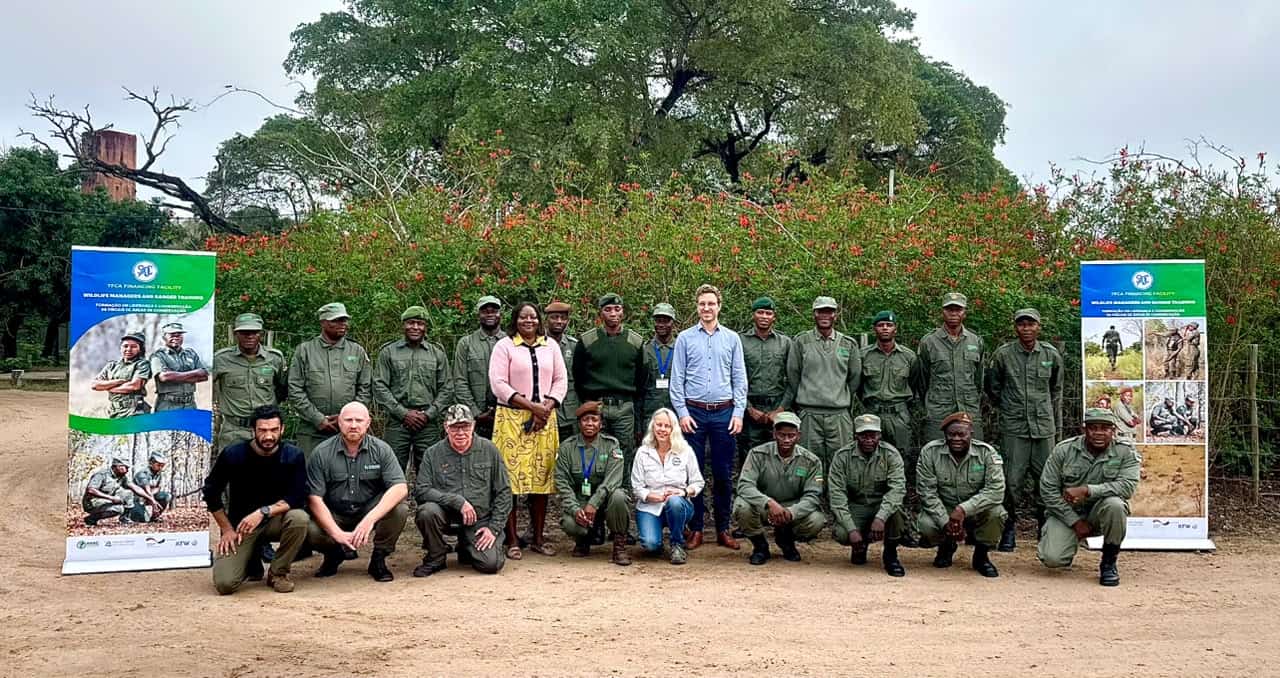
Peace Parks’ principal operational responsibility in Lubombo is the long-term co-management of Maputo National Park with Mozambique’s National Administration for Conservation Areas.

The Foundation also supports collaboration with neighbouring protected areas in South Africa, including Tembe Elephant Park and Ndumo Game Reserve. A joint operational strategy has previously enabled collaboration between the management teams of Maputo and Tembe, and current work is examining the basis for deeper long-term cooperation.

Work taking place now

Publications & Resources

Please select listing to show.

our partners and donors

National Administration for Conservation Areas
COmON Foundation
Convention on Migratory Species
Ezemvelo KZN Wildlife
Fondation Hans Wilsdorf
Neville Isdell
PON Bike
German Postcode Lottery
National Postcode Lottery
Swedish Postcode Lottery
People's Postcode Lottery
Rio Tinto
SADC TFCA FF
The World Bank
SEARCH ALL POSTS