A UNESCO World Heritage Site where land, freshwater and ocean meet.
From fewer than 1 000 animals to more than 32 800 today, Maputo National Park is one of southern Africa’s most remarkable rewilding success stories. Since 2010, more than 5 388 animals representing 16 species have been reintroduced, transforming the park into a thriving wildlife landscape and a source population for restoration efforts across Mozambique.
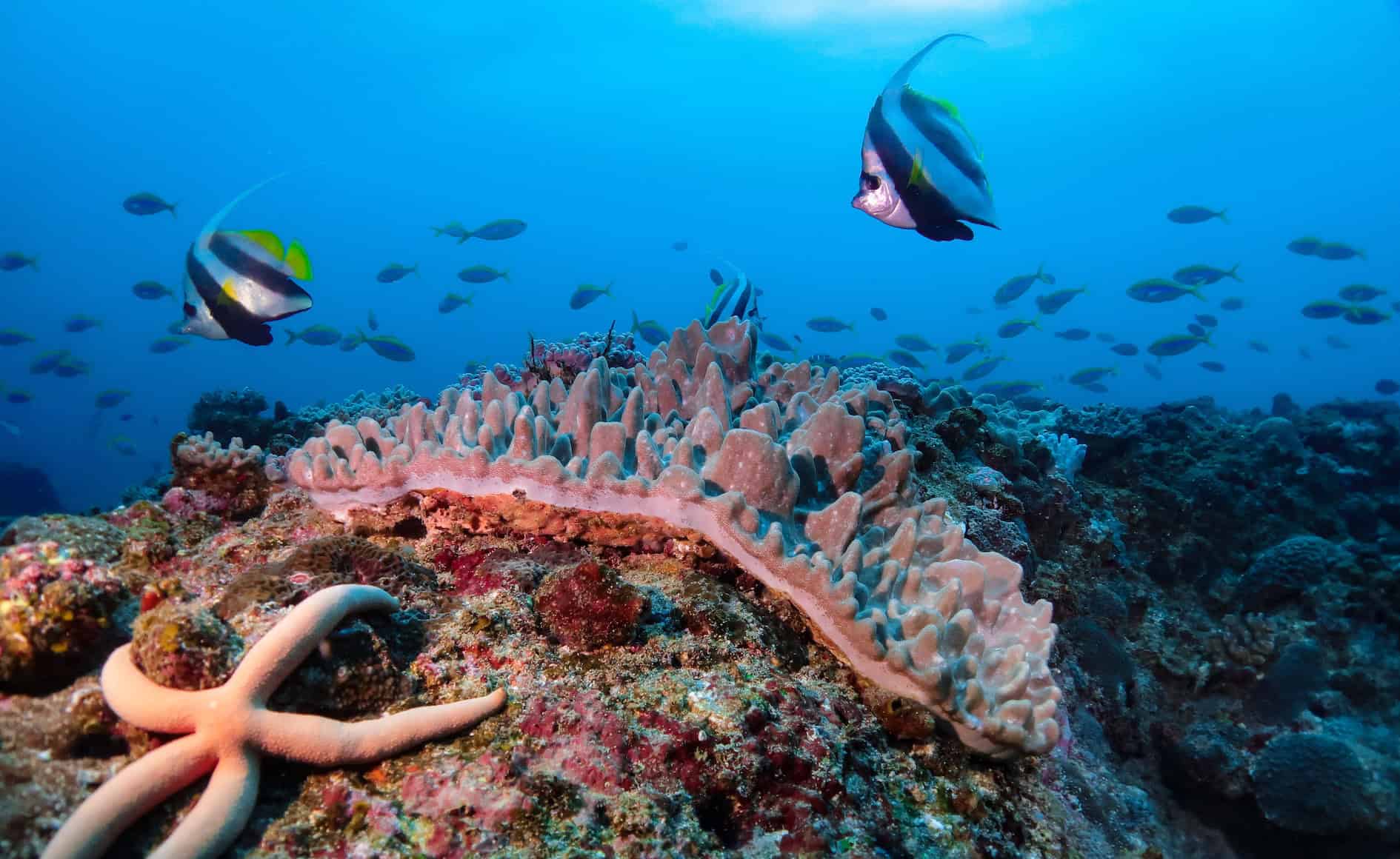
Maputo National Park is one of Africa’s most important coastal protected areas and the ecological heart of the Lubombo Transfrontier Conservation Area. Recognised as a UNESCO World Heritage Site in 2025, the park protects an extraordinary diversity of ecosystems, from coastal dunes, wetlands and inland lakes to forests, grasslands and the Indian Ocean.
Located along Mozambique’s southern coastline, the park provides a vital ecological link between terrestrial and marine environments while supporting one of the country’s richest concentrations of biodiversity. Its diverse habitats sustain globally important wildlife populations, protect critical water resources and underpin nature-based tourism that benefits neighbouring communities.
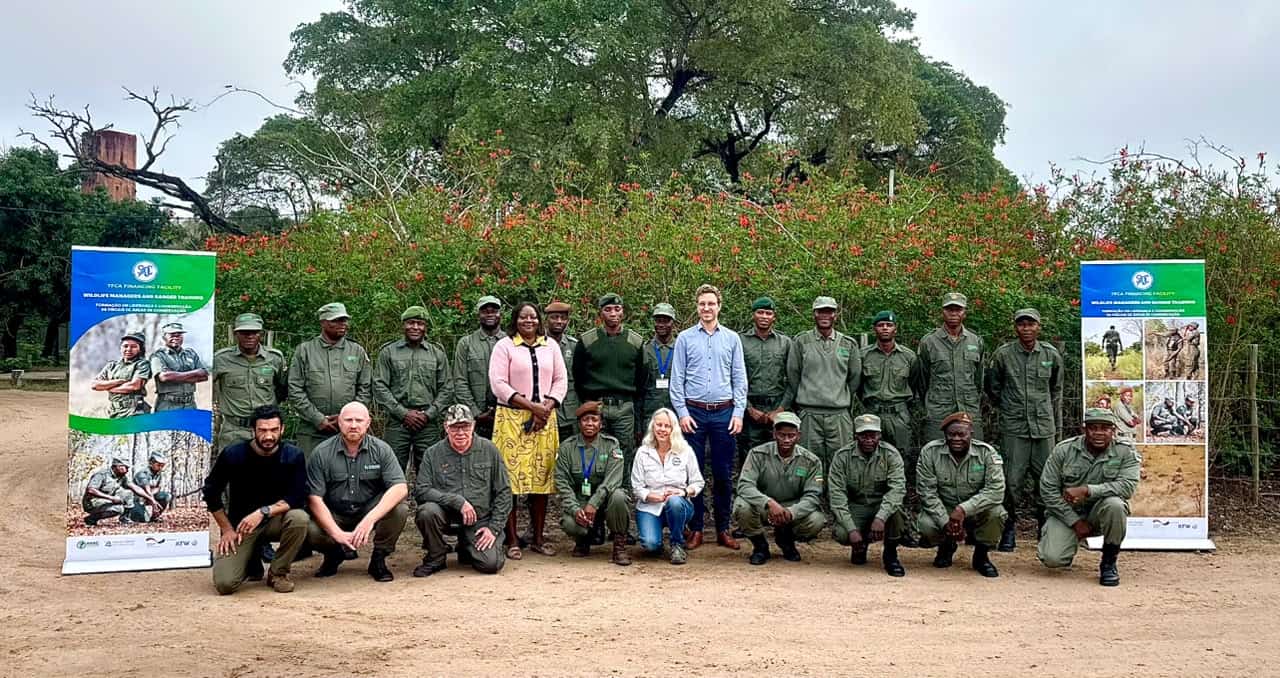
Over nearly two decades of partnership, Maputo National Park has become one of southern Africa’s leading conservation success stories. Long-term co-management has restored wildlife populations, strengthened protected area management and helped secure international recognition for one of the continent’s most remarkable natural landscapes.