

In communities around Malawi's Nyika-Vwaza landscape, farmers are adopting agricultural practices that help improve harvests while protecting the soil on which their livelihoods depend.
Through the introduction of little- or no-tillage farming, supported by agricultural extension workers and lead farmers, households are learning how even small changes to the way they cultivate their land can make a difference to food security and income.
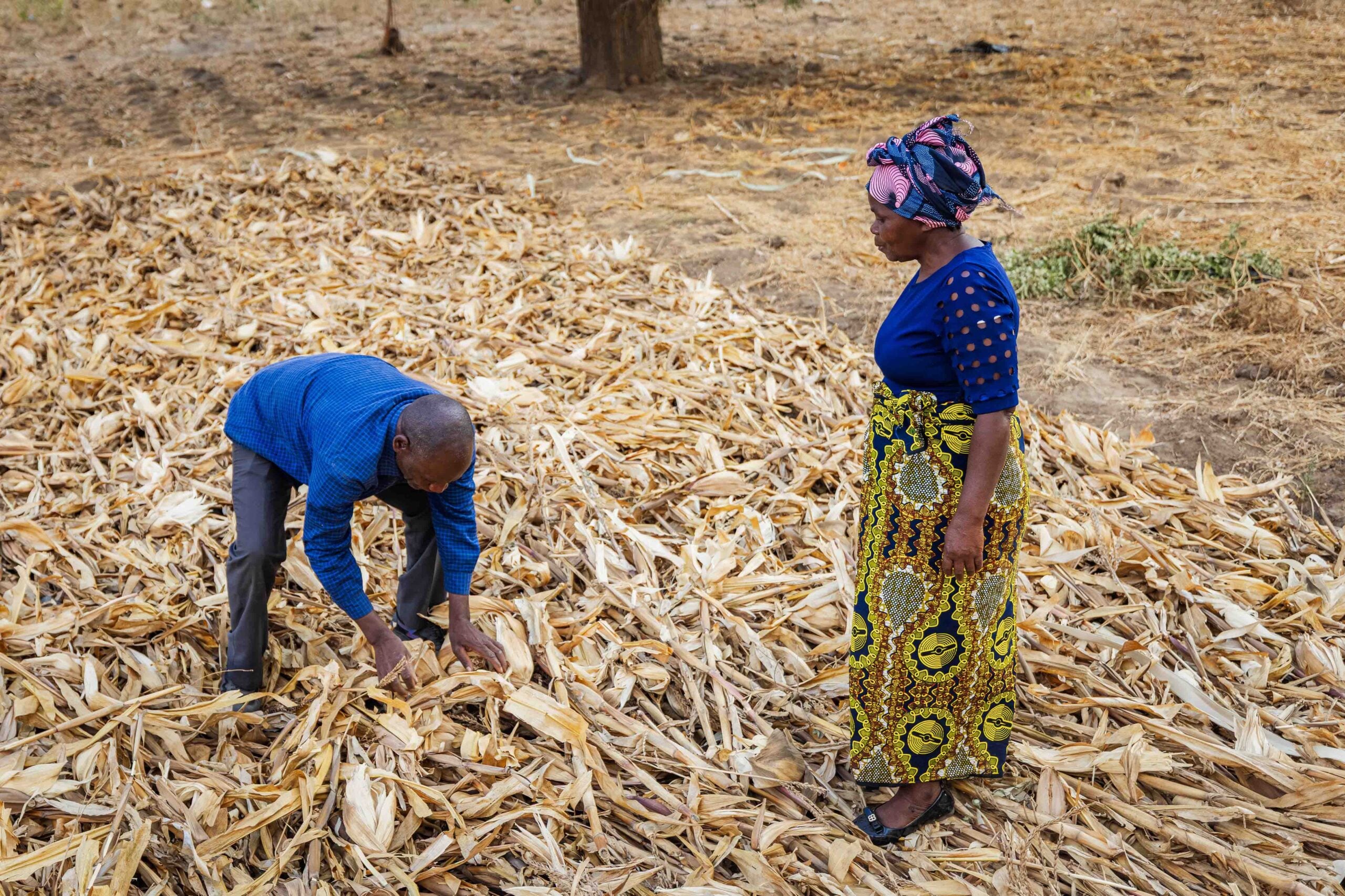
The approach involves leaving crop residues on the land after harvesting and planting directly into the soil the following season, rather than repeatedly ploughing the fields. As the residues break down, they return nutrients to the soil and help it retain moisture for longer.
This is particularly valuable in areas where farmers depend on seasonal rainfall and where late rains or dry spells can affect harvests.
Learning from other farmers
Misheck Mwale, a farmer and father of four from Ndelendele, is among those who have adopted the approach. He has seen improvements in his harvests, giving his family more reliable access to food and providing income to support his children's education.
Misheck is also a lead farmer, sharing what he has learned with neighbouring households and demonstrating the farming practices on his own land. The lead farmer approach enables agricultural extension workers to reach more households through farmers who have practical experience of the methods being introduced.
Lucy Mfune, from Makanjira Gondwe Village, is another farmer who has benefited from adopting little- or no-tillage practices. Her experience shows how improved harvests, even on smaller plots of land, can help households meet their needs.
Working together for healthier landscapes
The work forms part of broader efforts to improve food security and support sustainable livelihoods in communities around Nyika National Park and Vwaza Marsh Wildlife Reserve.
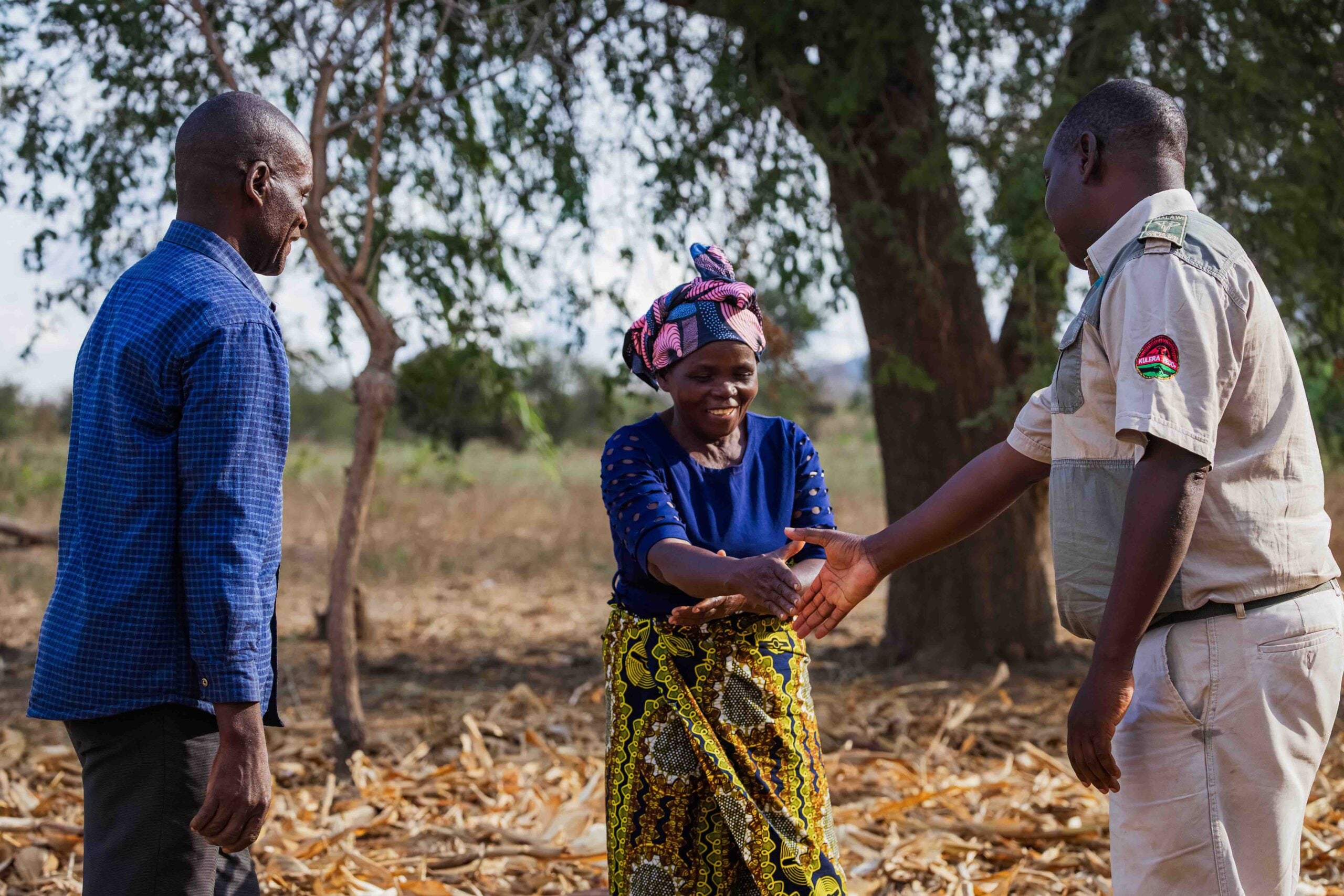
Peace Parks works alongside government, community organisations and development partners to support farming approaches that improve soil health and agricultural productivity.
Dines Kabota, an Assistant Research Officer at Vwaza Marsh Wildlife Reserve in Malawi's Department of National Parks and Wildlife, explains that improving food security can also reduce pressure on surrounding natural resources. When families can meet their needs through farming, they are less likely to depend on wildlife and other natural resources for food.
For Misheck, sharing that knowledge is an important part of what he hopes to leave behind.
"My legacy, if I am no longer around, is to have people remember that they had a lead farmer who shared the benefits of this farming practice."
With thanks to: The Hunger Project Malawi; Total LandCare; Synod of Livingstonia Development (SOLDEV); Nyika Vwaza Association; and Community Extension Officers from Malawi's Department of National Parks and Wildlife.