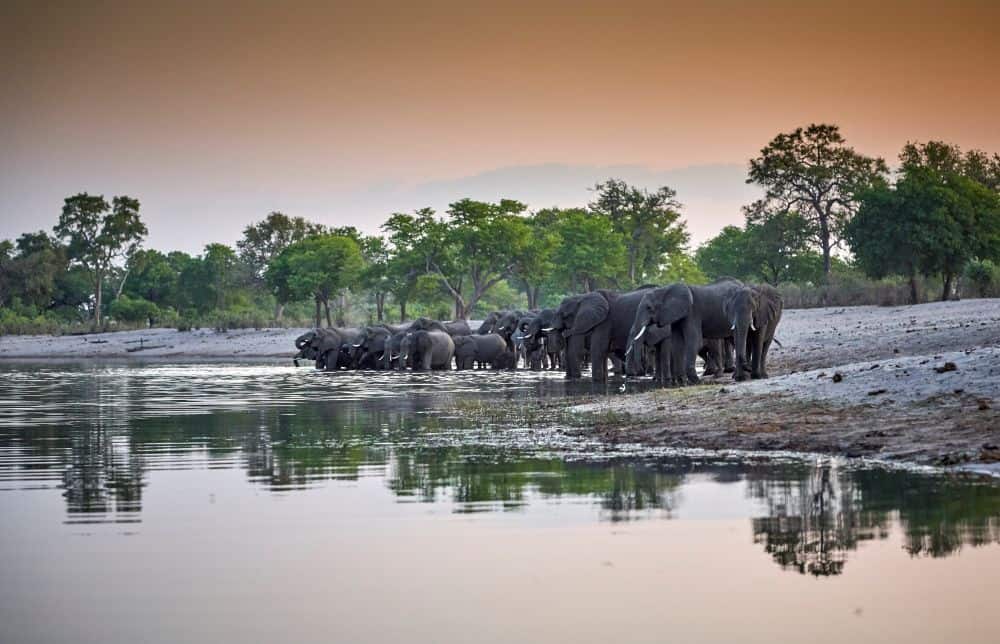
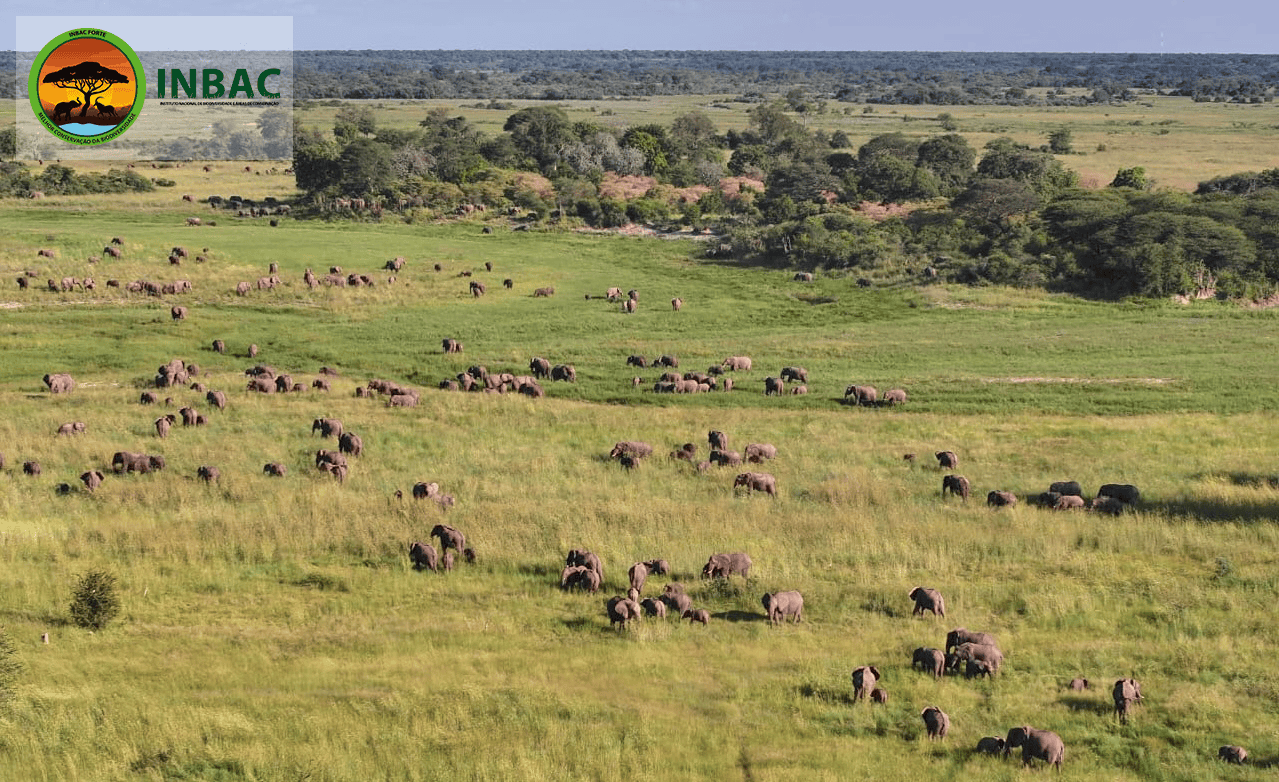
Luengue-Luiana National Park spans 22 732 km² in south-eastern Angola, across a vast landscape of open woodlands, savannas and wetlands along the Cuando River. It is Angola’s largest protected area and one of the largest protected areas in Africa.
The park forms part of the Kavango Zambezi Transfrontier Conservation Area (KAZA), the world’s largest terrestrial transboundary conservation landscape, stretching across Angola, Botswana, Namibia, Zambia and Zimbabwe. KAZA supports the world’s largest population of savanna elephants, estimated at around 228 000 animals. Yet their distribution is highly uneven: around 95% occur in Botswana, Namibia and Zimbabwe, while Angola and Zambia together support only around 5%.
This makes Luengue-Luiana important not simply because of its size, but because of the space it offers. If effectively protected and managed, the park could help restore more natural wildlife movement across KAZA while creating greater opportunities for communities to benefit from conservation. The park still supports core populations of almost all wildlife species historically found there, with the exception of rhino, providing a strong foundation for recovery if the right protection, governance and investment are put in place.
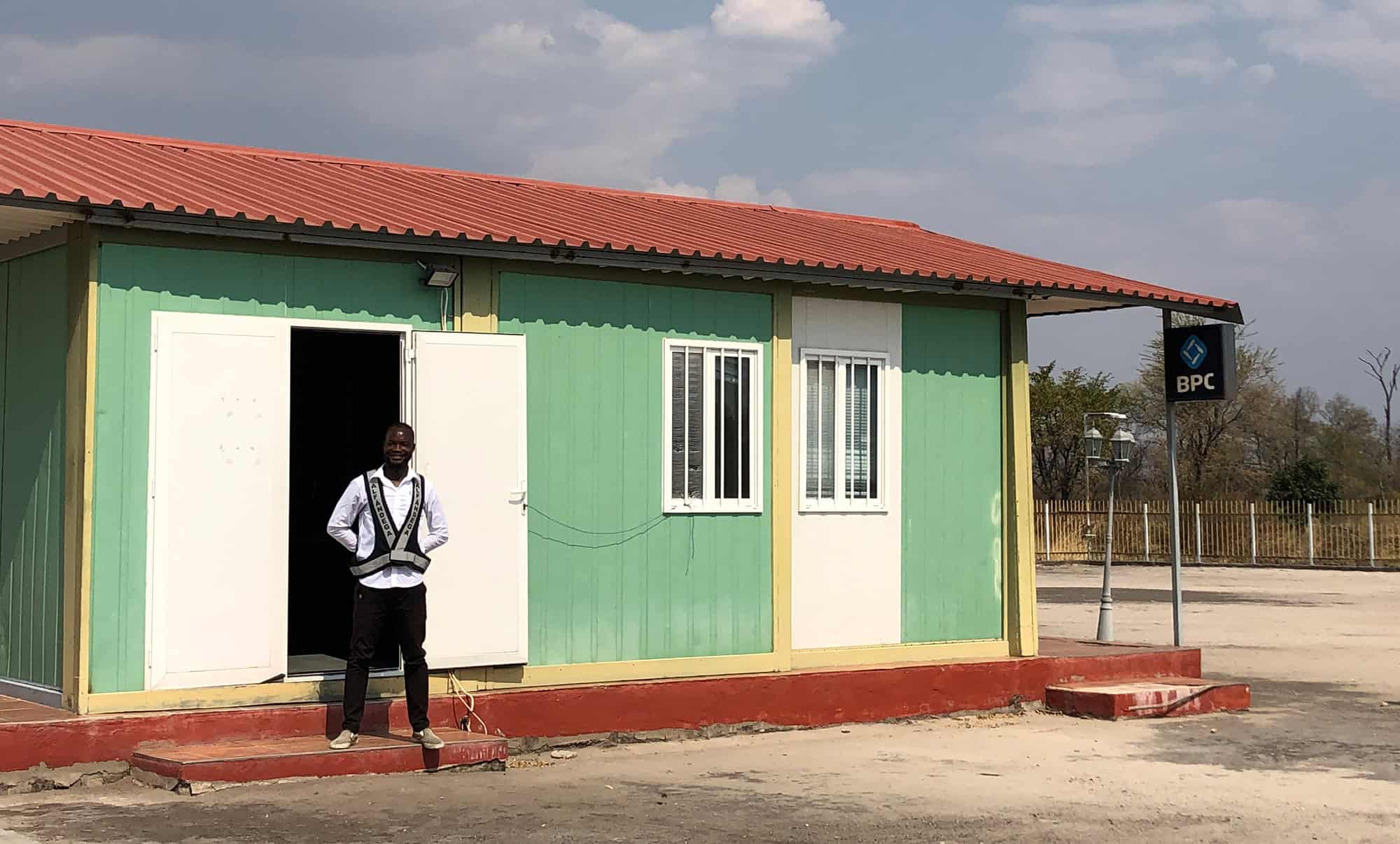
South-eastern Angola is one of the country’s least developed regions and still carries the legacy of more than 26 years of civil war, including minefields that remain in parts of the landscape. Conservation has the potential to become an economic anchor for the region, supporting livelihoods, services, infrastructure and future economic opportunities.
In April 2026, the Government of Angola and Peace Parks Foundation signed a Memorandum of Understanding to work together on the future of Luengue-Luiana. The agreement began a 24-month feasibility phase to develop a park management plan, strategic business plan and long-term governance model based on a public-private partnership approach.